
Photo by Kevin Reyes on Unsplash
The Challenge of Fossil Conservation
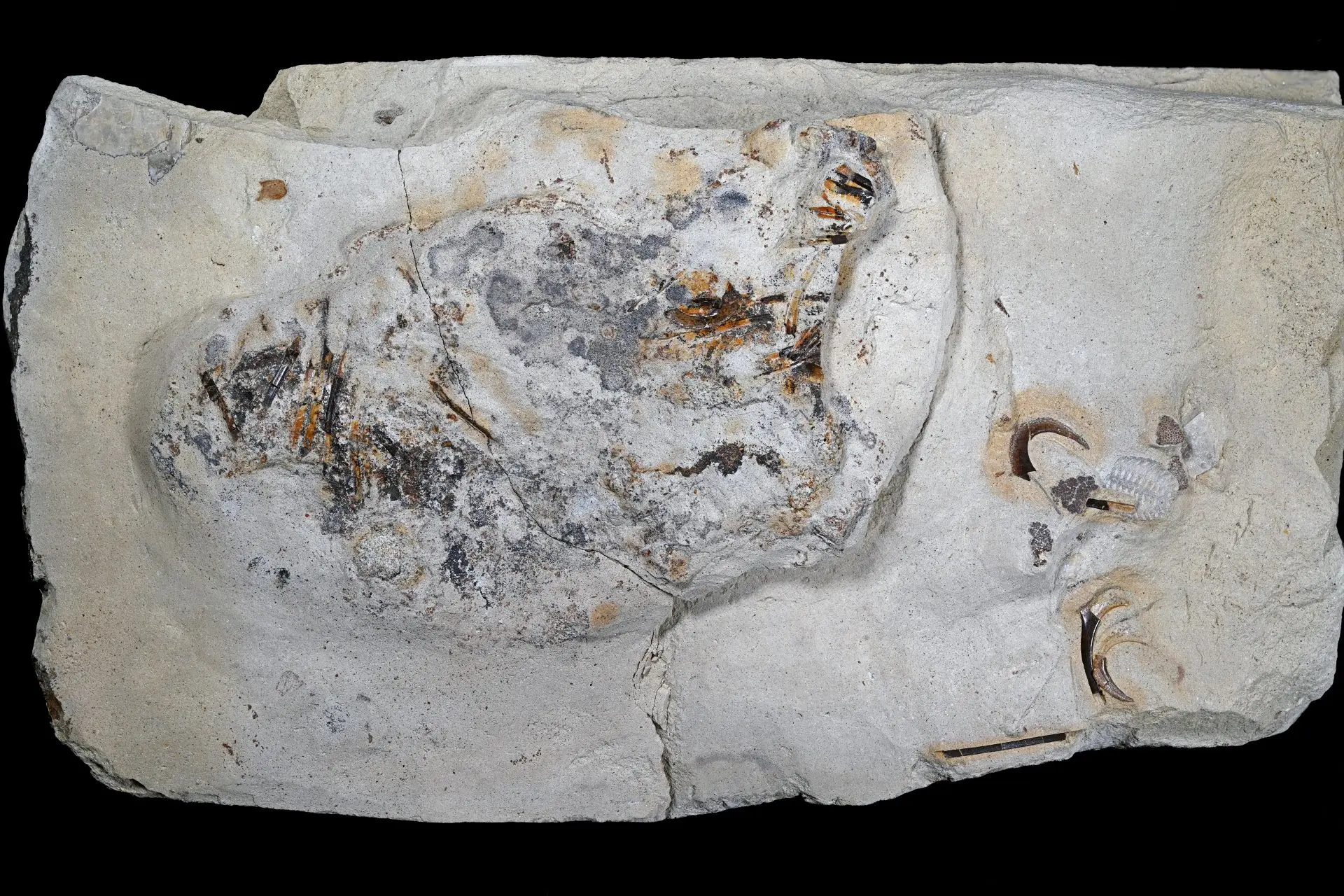
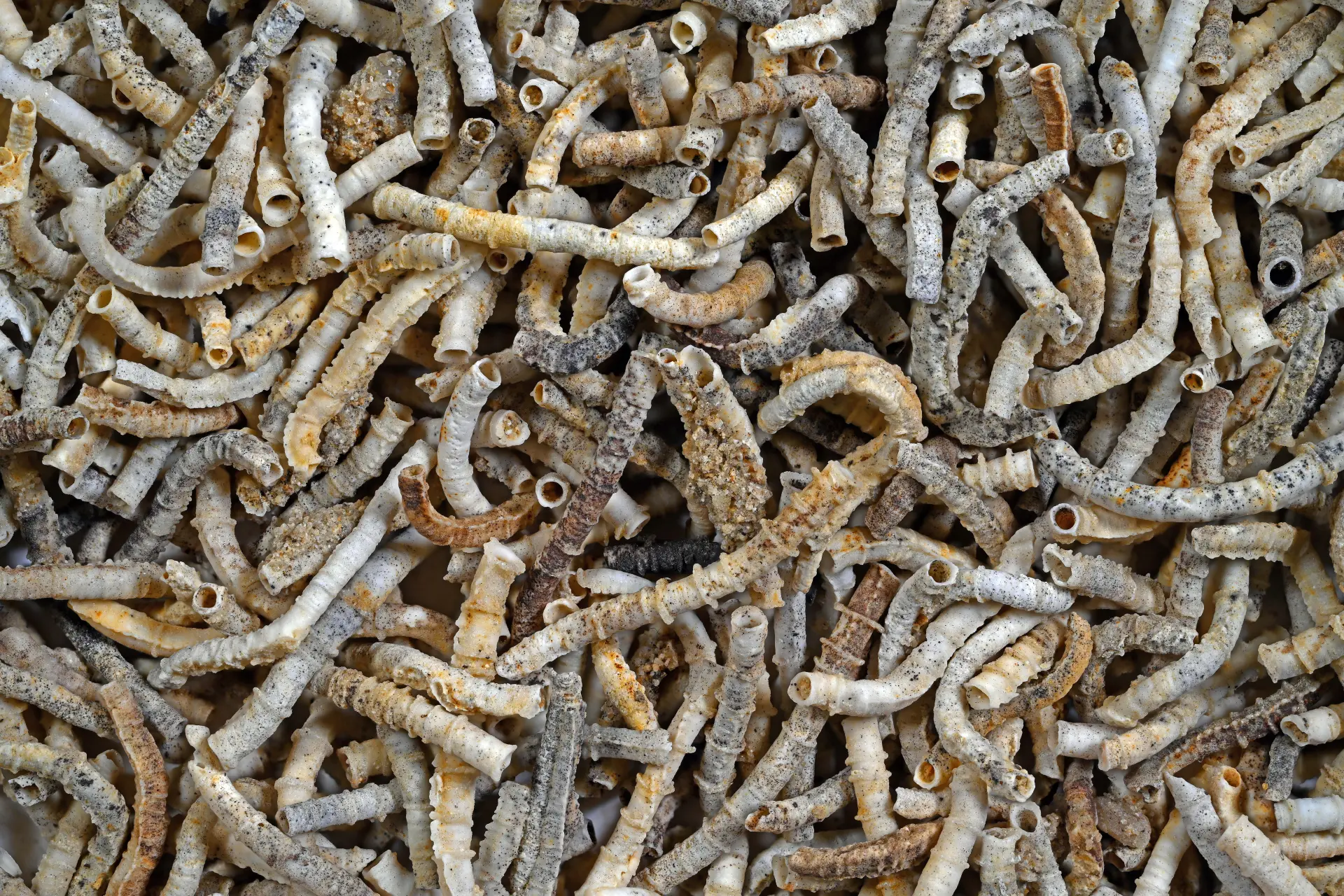
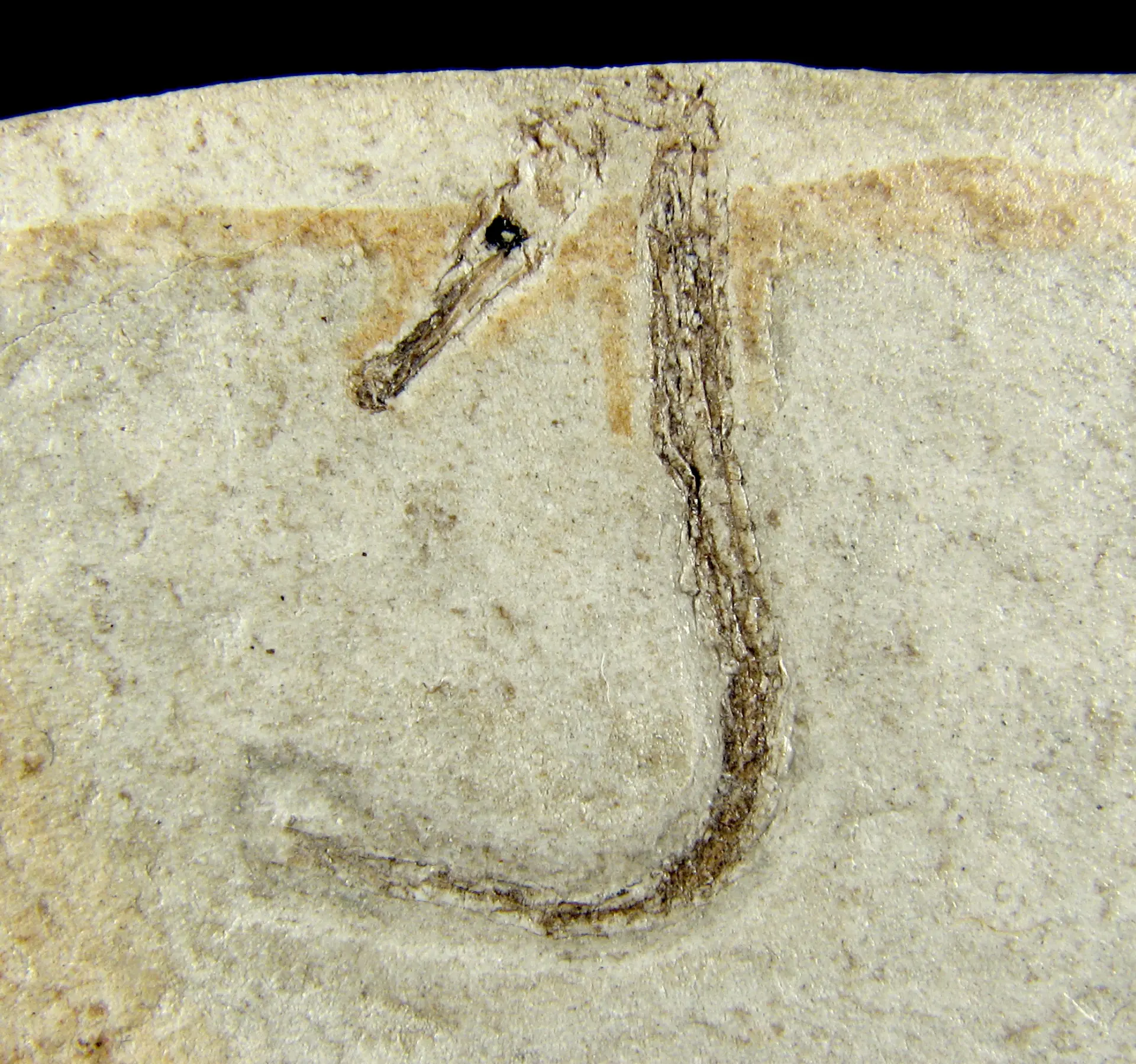
The IPE maintains extensive paleontological and geological collections that are essential resources for research and education. These collections include fossil specimens, stratigraphic archives, and field documentation representing diverse geological periods. However, physical specimens are fragile and finite. To ensure their survival and accessibility, we have embarked on a massive digitization effort.
Ensuring Global Accessibility
The ongoing “Digitization of Fossil Heritage & Geological Archives” project is designed to make our collections accessible to researchers worldwide. By creating high-resolution digital versions of our fossils, we allow scientists from every corner of the globe to study them without the need for risky transport of the original specimens. This effort is a key part of our contribution to international research networks.
The Role of Modern Curation
Curation at the IPE is a blend of traditional museum practices and modern digital technologies. We don’t just store fossils; we actively conserve and manage them. Digital archives, reference databases, and stratigraphic documentation are all part of a comprehensive system that preserves valuable scientific material for future generations.
Open Science and the FAIR Principles
Our digitization work is not done in isolation. We follow FAIR data principles—making data Findable, Accessible, Interoperable, and Reusable. This commitment to open science ensures that the data derived from our collections can be used in diverse studies, from taxonomic revisions to large-scale biodiversity dynamics.