
Scientists, Specialists & Academic Staff
Our Institute brings together a diverse team of researchers specializing in paleontology, evolutionary biology, stratigraphy, sedimentology, paleoecology, and related geoscientific disciplines.
Each researcher contributes unique expertise, combining field investigation, laboratory analysis, and theoretical research to address key questions about Earth’s biological and geological history.
Our academic staff includes senior scientists, early-career researchers, doctoral candidates, and technical specialists working collaboratively across disciplines.
Through international partnerships, publications, conference participation, and teaching, our researchers actively contribute to the global scientific community.
The Institute supports scientific excellence, innovation, and mentorship, fostering an environment where both established experts and emerging scholars can advance paleobiological and evolutionary research.
OUR
RESEARCHERS
Short Stories
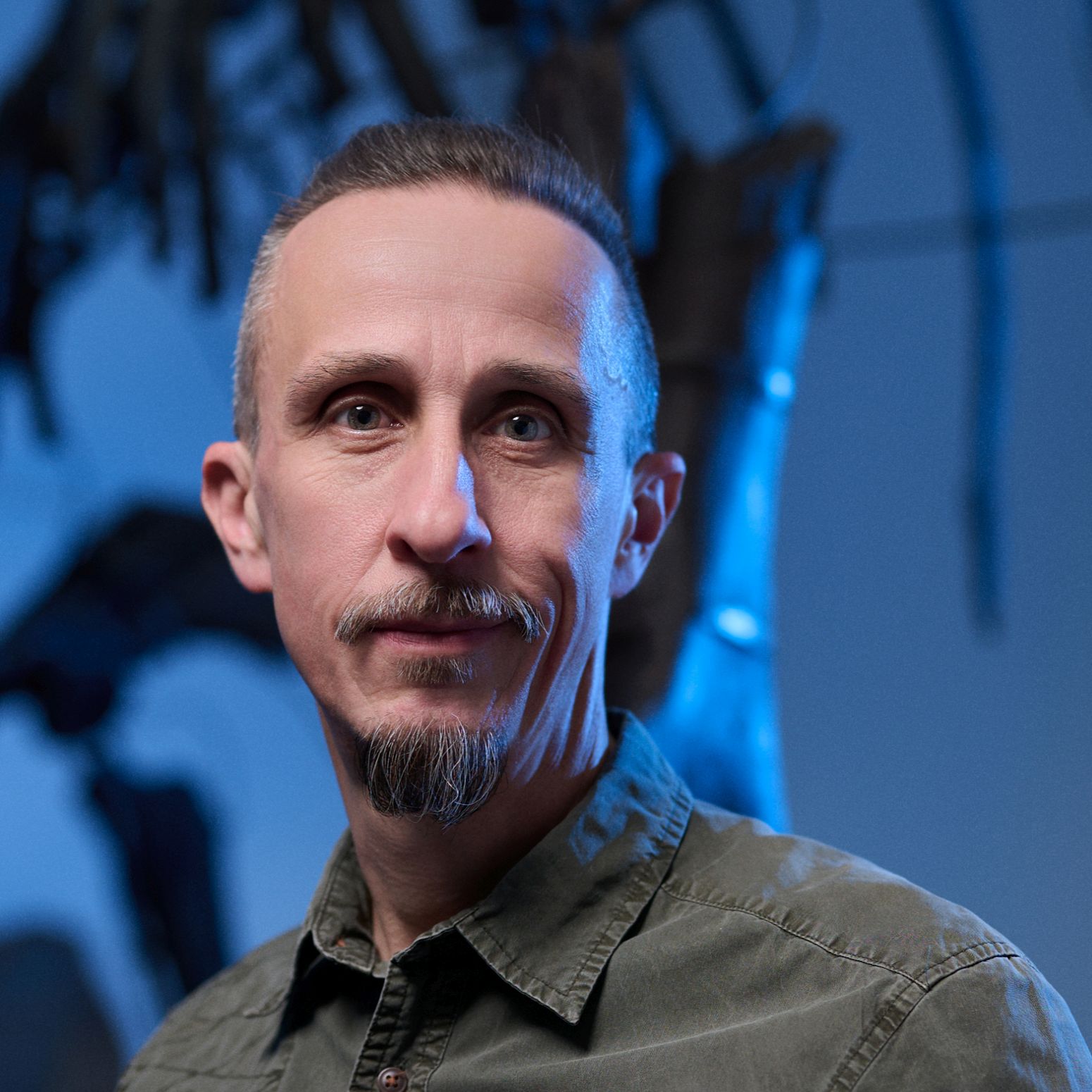
Dr. Rok Gašparič
Palaeontologist
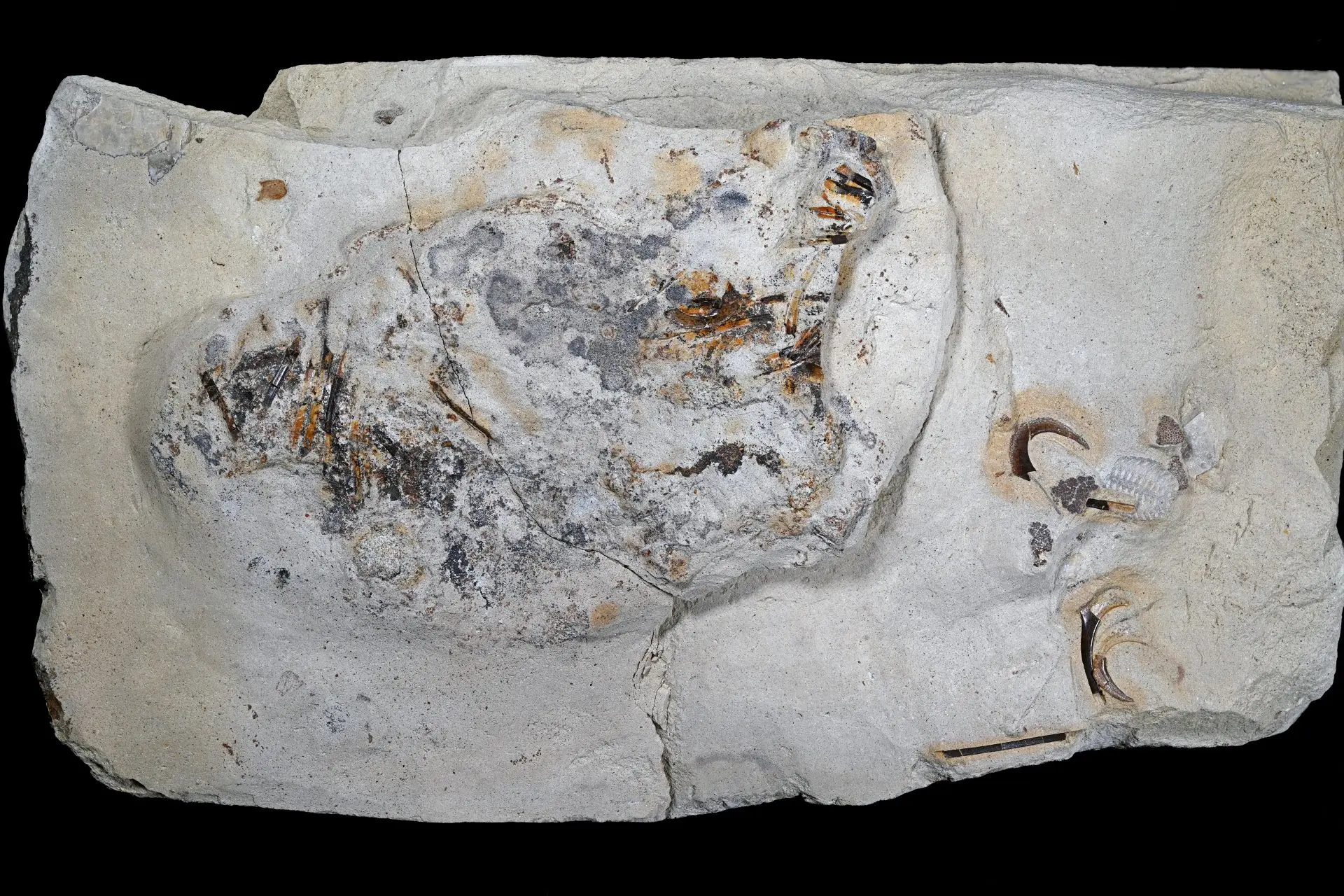
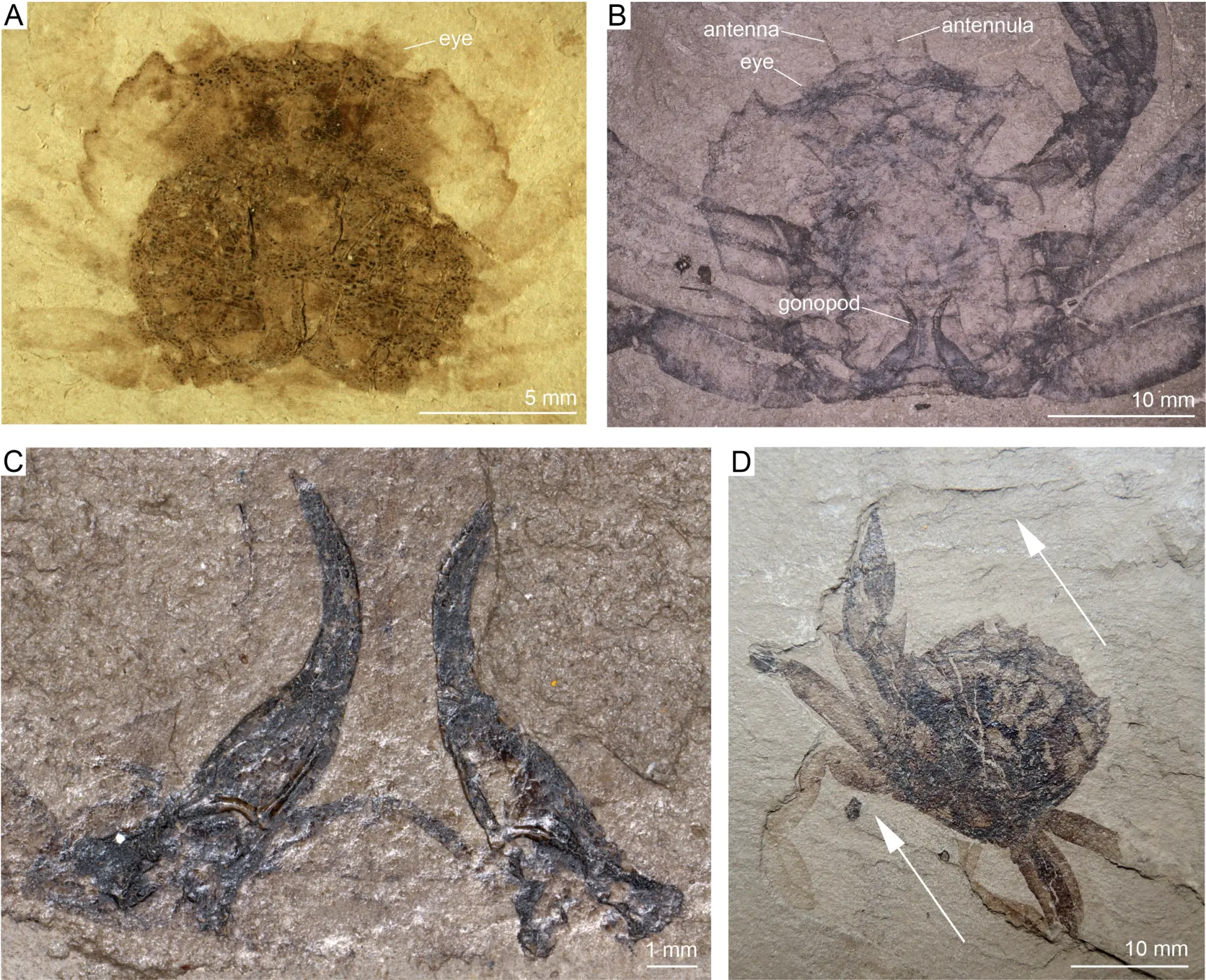
Dr. Rok Gašparič is a palaeontologist specializing in the evolution, taxonomy, and palaeoecology of fossil decapod crustaceans and exceptional fossil preservation.
As Managing Director of the Institute of Palaeobiology and Evolution (Slovenia), he leads research on Mesozoic and Cenozoic fossil faunas, combining classical palaeontology with advanced imaging techniques such as microCT. His work includes the description of numerous new fossil taxa and significant contributions to understanding the evolution of marine ecosystems in the Alpine Tethys and Central Paratethys.
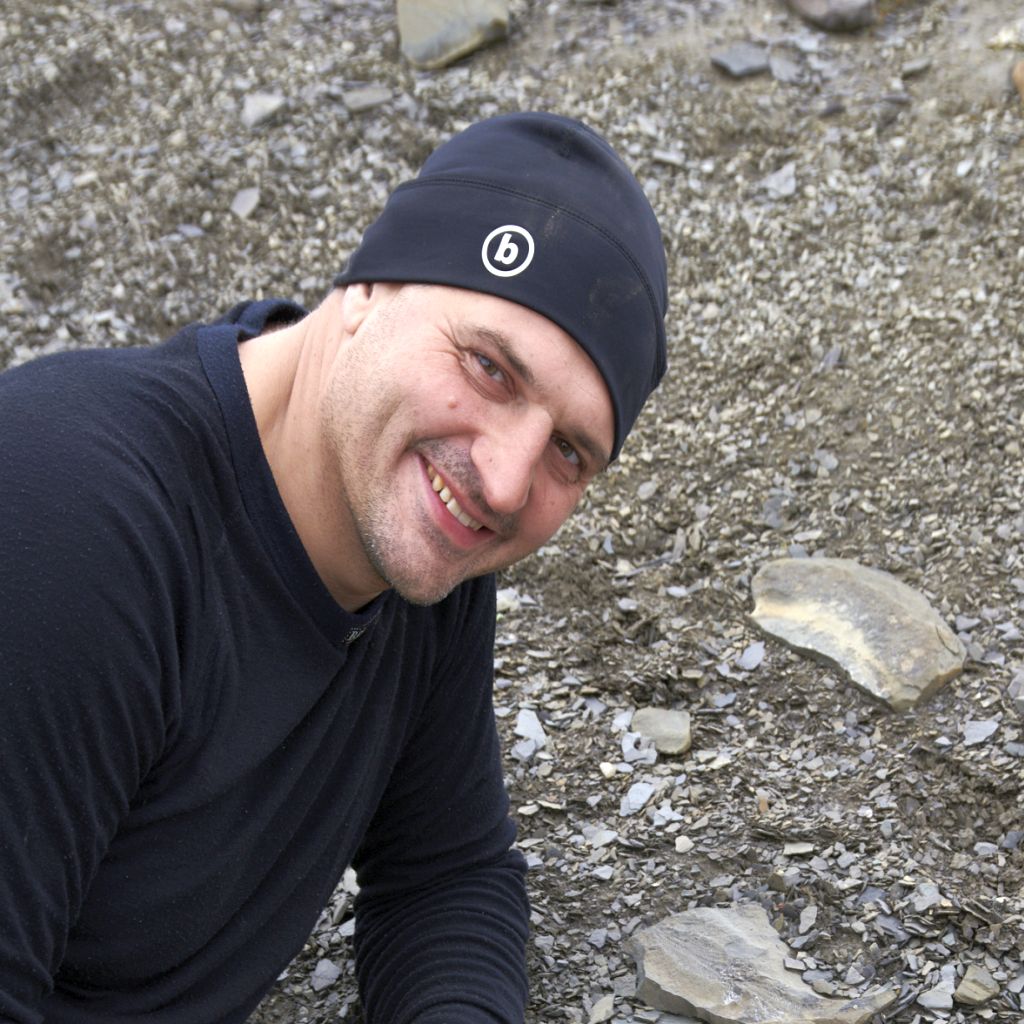
Dr. Tomaž Hitij
Palaeontologist and Doctor of Dental Medicine
Dr. Tomaž Hitij is a palaeontologist and Doctor of Dental Medicine whose research focuses on Triassic stratigraphy, fossil vertebrates, arthropods, and exceptional fossil preservation.
He is an Assistant Professor at the University of Ljubljana and a researcher at the Institute of Palaeobiology and Evolution. Combining anatomical expertise with modern imaging methods, he has discovered several of Slovenia’s most important fossil localities and collaborates internationally on research into Mesozoic marine faunas and fossil preservation.
Dr. Jure Žalohar
Palaeontologist and geologist
Dr. Jure Žalohar is a palaeontologist and geologist whose research integrates palaeontology, stratigraphy, tectonics, and geophysics to reconstruct ancient environments and evolutionary history.
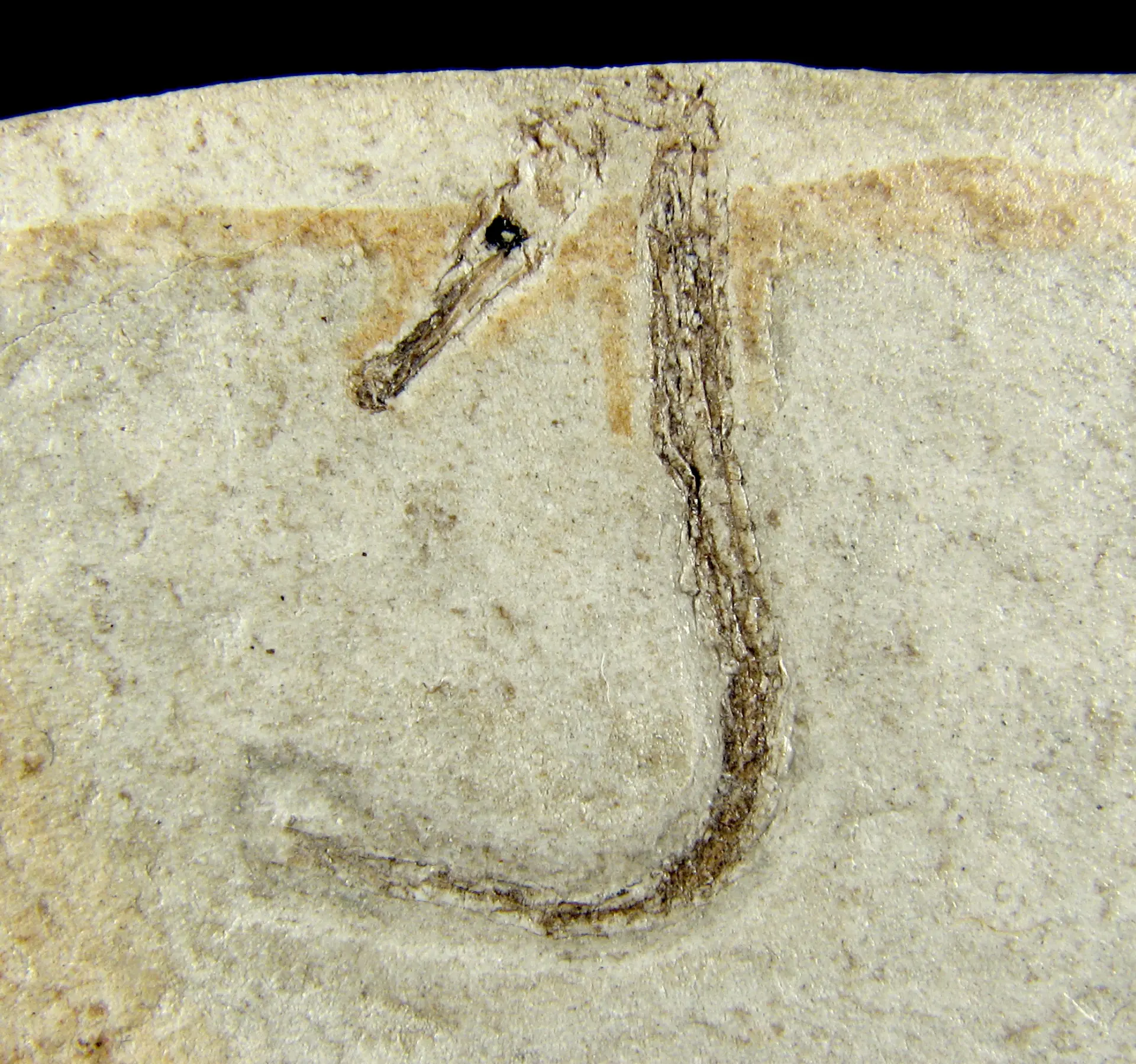
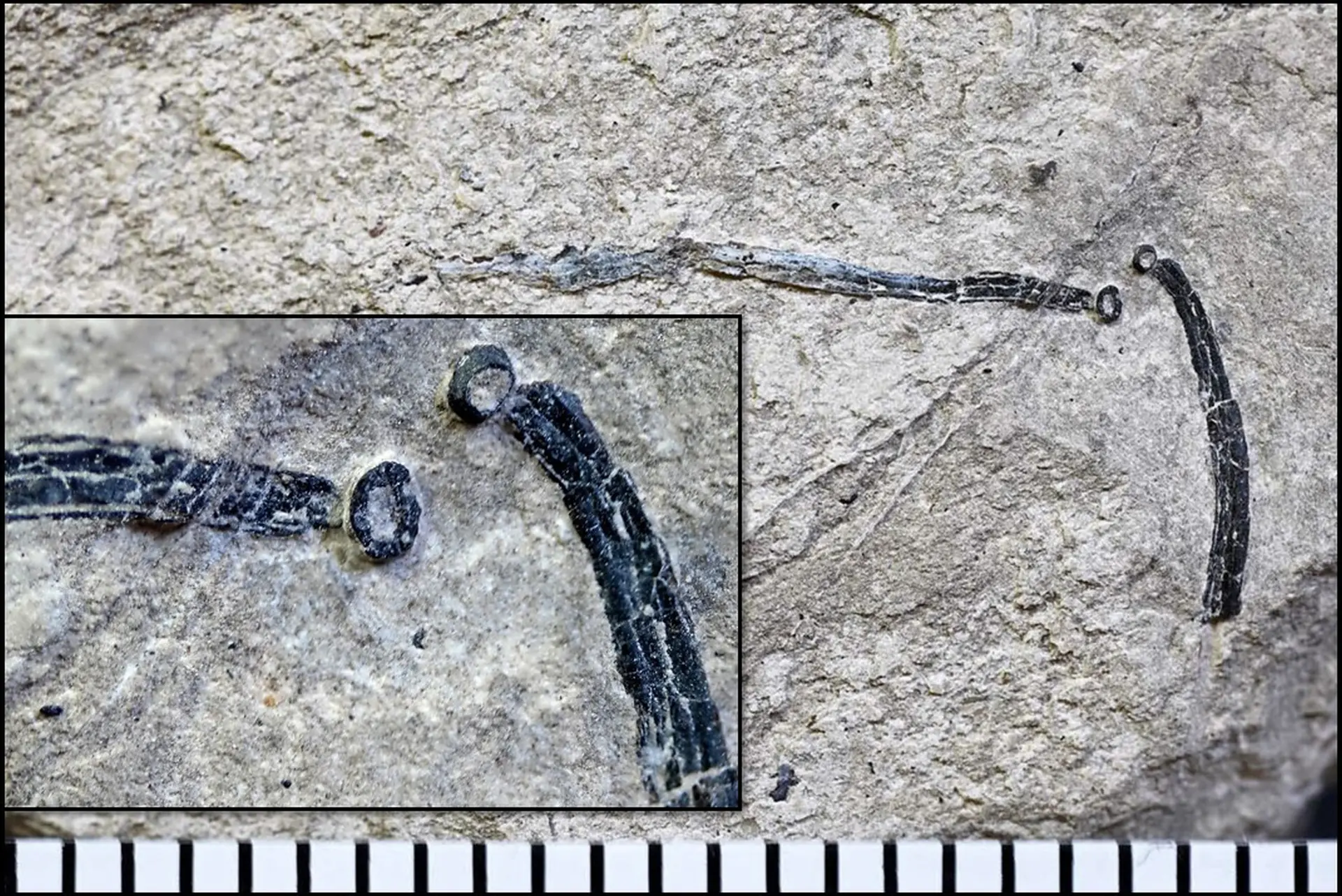
His internationally recognized discoveries include the world’s oldest fossil seahorses, pipehorses, and pygmy pipehorses, as well as exceptional Triassic vertebrate assemblages and Miocene fossil faunas from Slovenia. His work combines geological context with fossil evidence to better understand the evolution of life and Earth’s history.

Dr. Tomáš Kočí
Palaeontologist
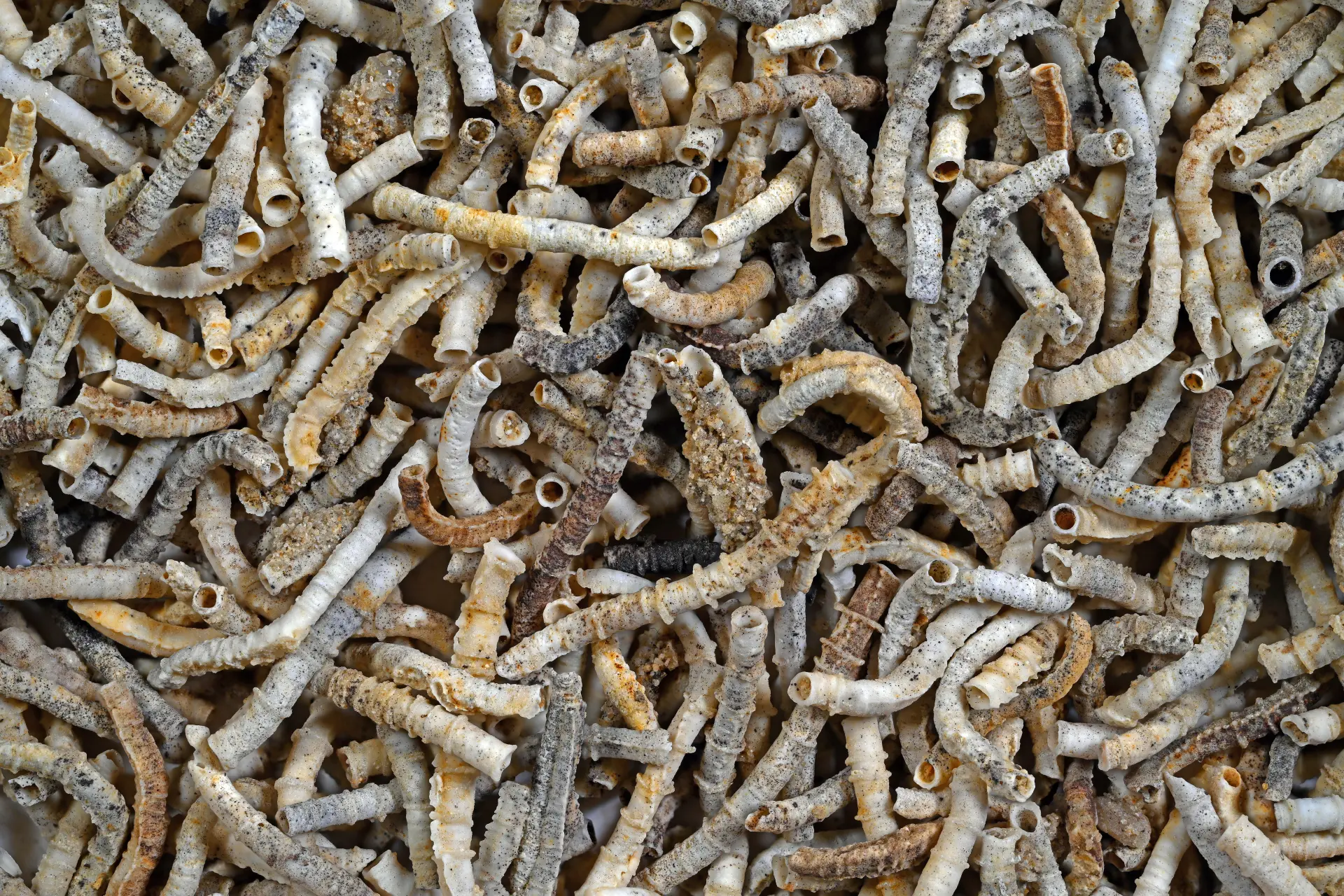
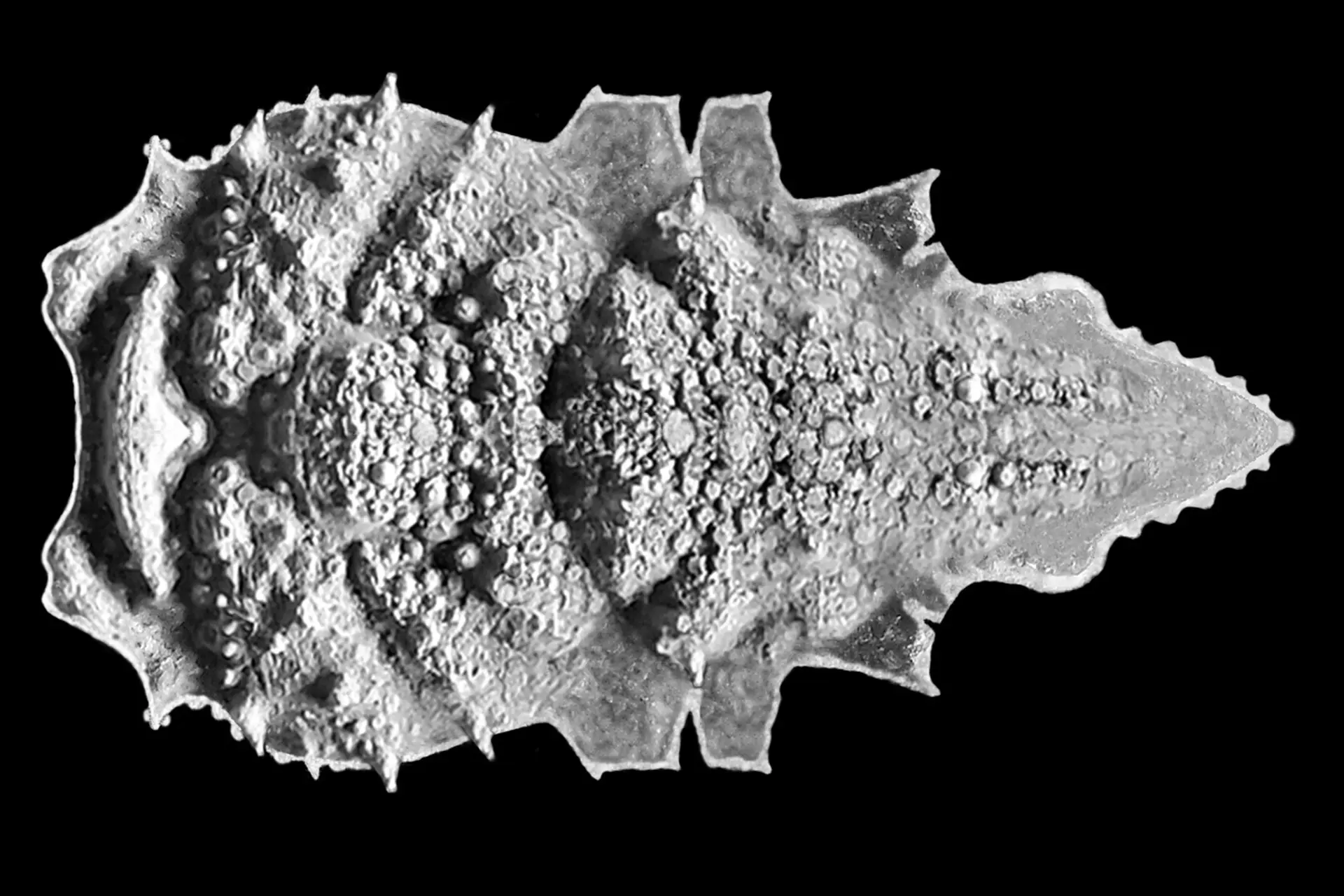
Dr. Tomáš Kočí is an internationally recognized palaeontologist specializing in fossil barnacles (Cirripedia), tube-dwelling polychaetes, and marine invertebrates from the Jurassic to the Cenozoic.
Affiliated with the National Museum in Prague and the Institute of Palaeobiology and Evolution, he combines classical taxonomy with modern imaging techniques to study fossil morphology, palaeoecology, and ancient marine ecosystems. His research has led to the description of numerous new taxa and major advances in understanding encrusting marine communities and their evolution.
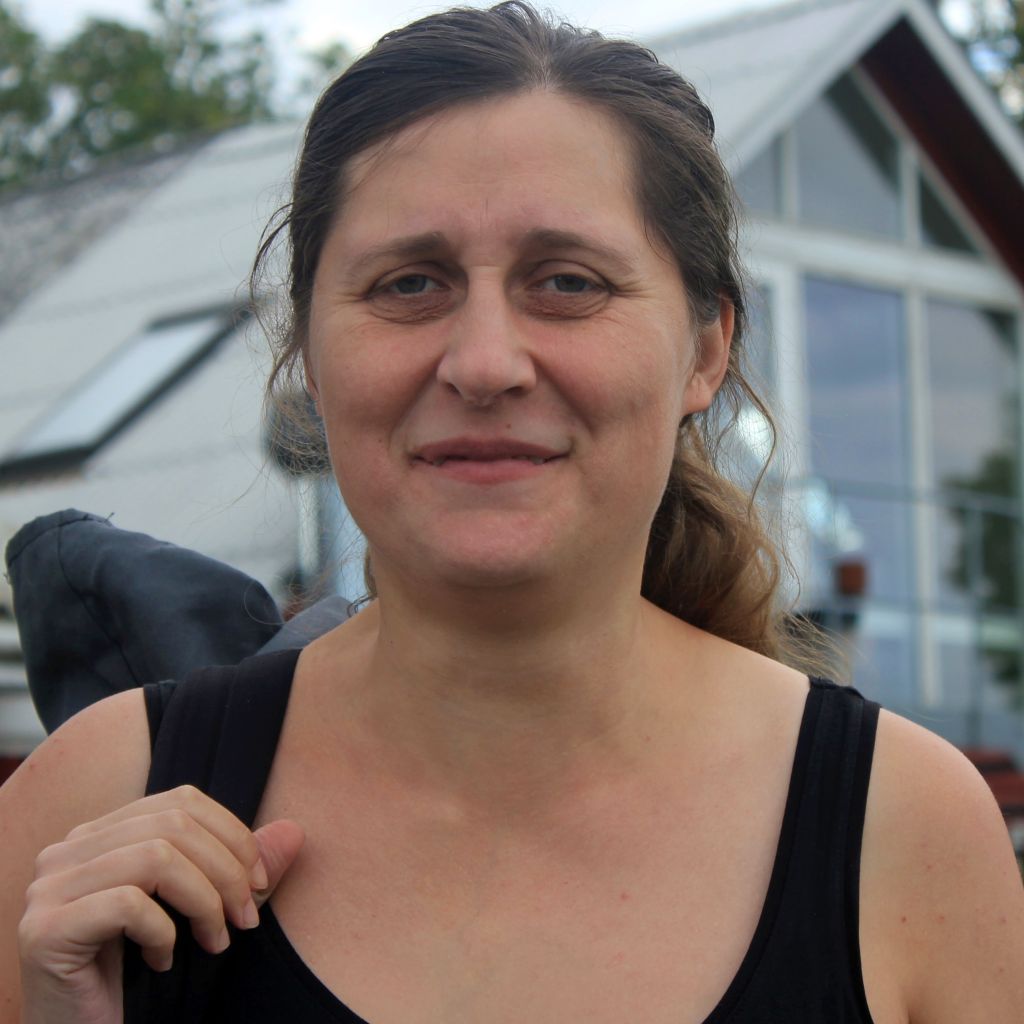
Dr. Martina Kočová Veselská
Palaeontologist
Dr. Martina Kočová Veselská is a palaeontologist at the Institute of Geology of the Czech Academy of Sciences and the Institute of Palaeobiology and Evolution.
Her research focuses on the evolution, taxonomy, and palaeoecology of fossil marine invertebrates, particularly barnacles, serpulid polychaetes, and encrusting communities. Using both classical palaeontological methods and microCT imaging, she investigates fossil preservation, organism–substrate interactions, and the biodiversity of ancient marine ecosystems, with recent work also focusing on fossil decapod crustaceans and Neogene faunas.
Frequently Asked
Our team is a diverse group of specialists, including senior scientists, early-career researchers, doctoral candidates, and technical specialists. Their expertise spans various disciplines such as paleontology, evolutionary biology, stratigraphy, sedimentology, and paleoecology.
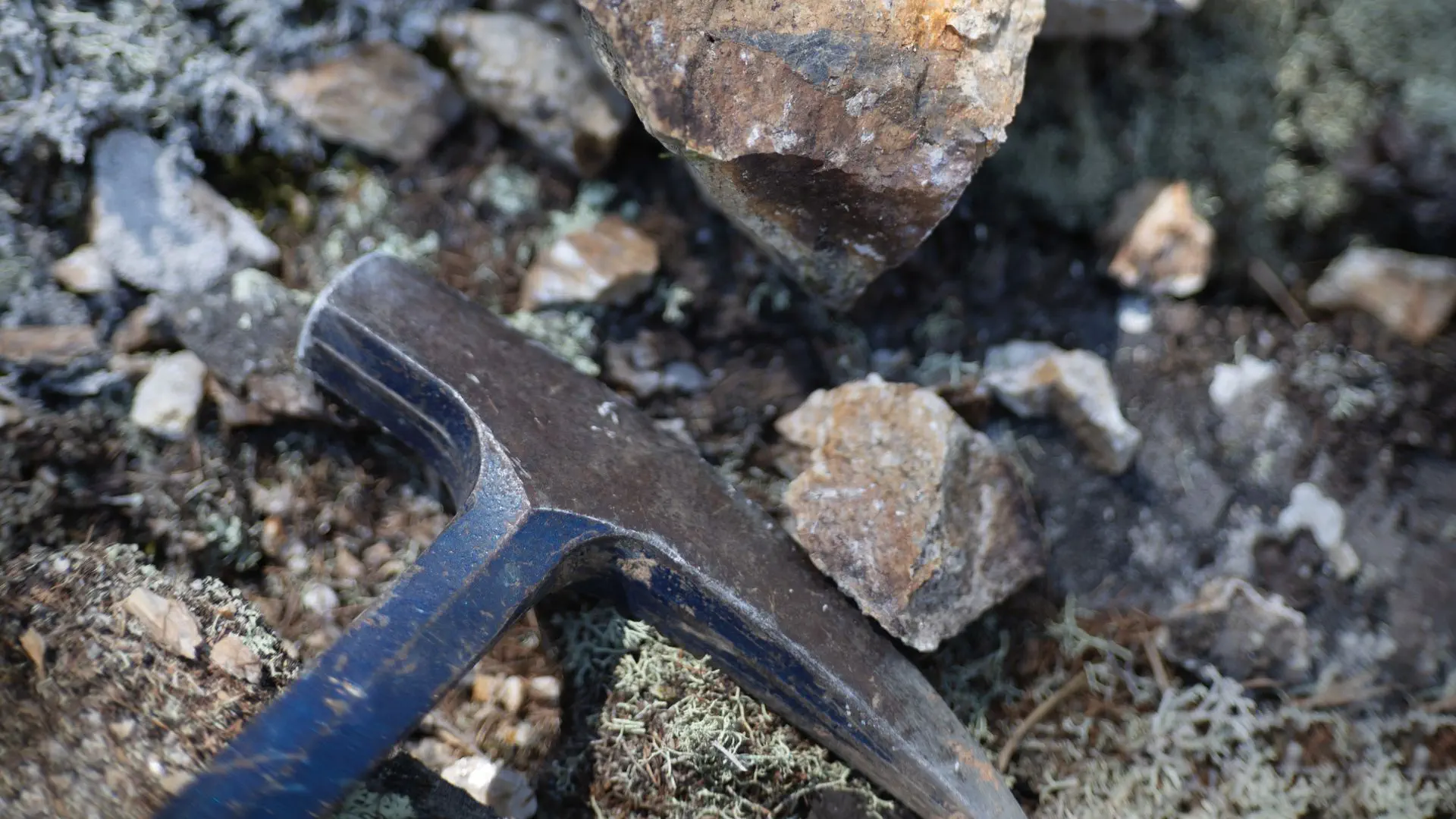
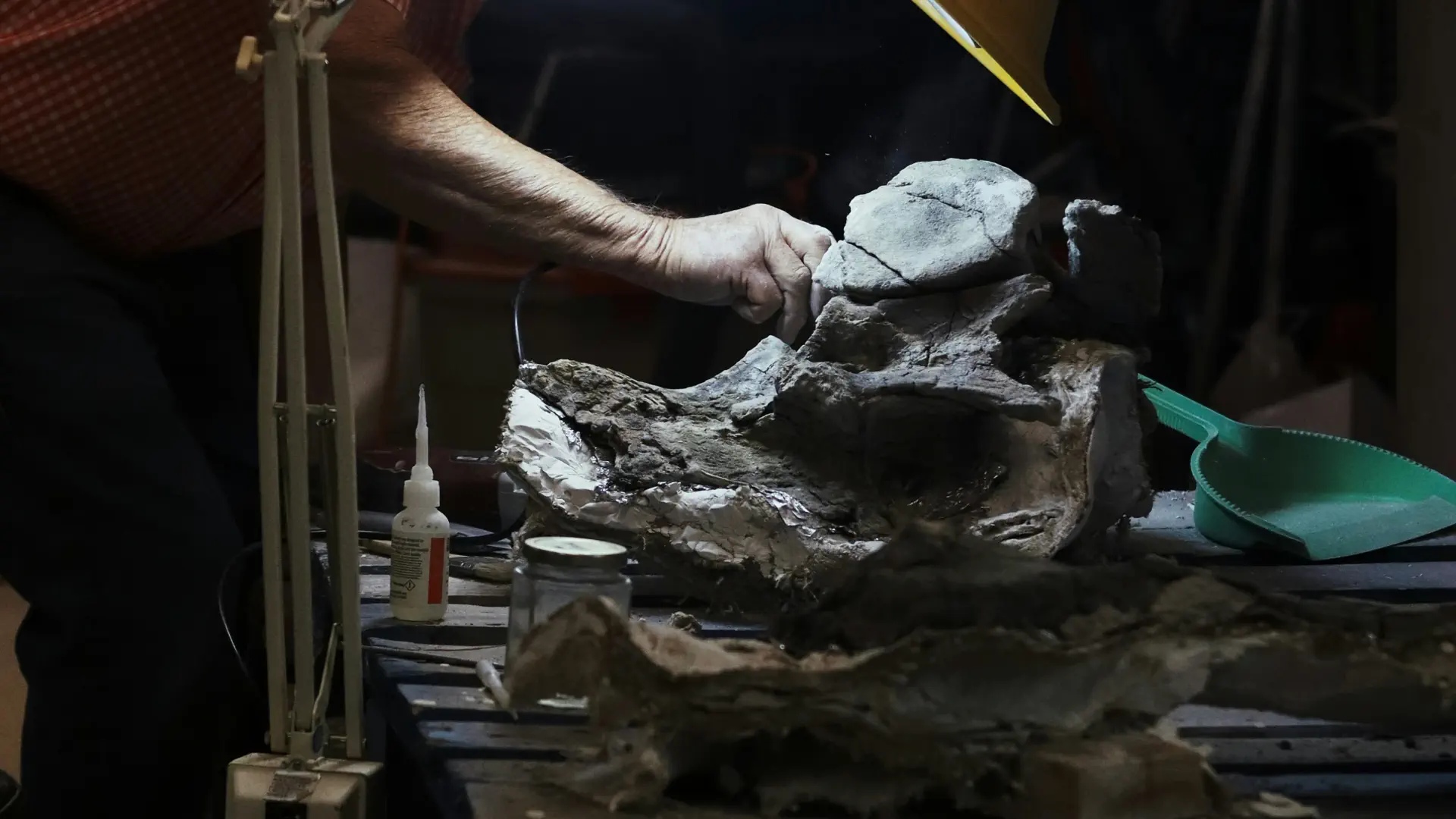
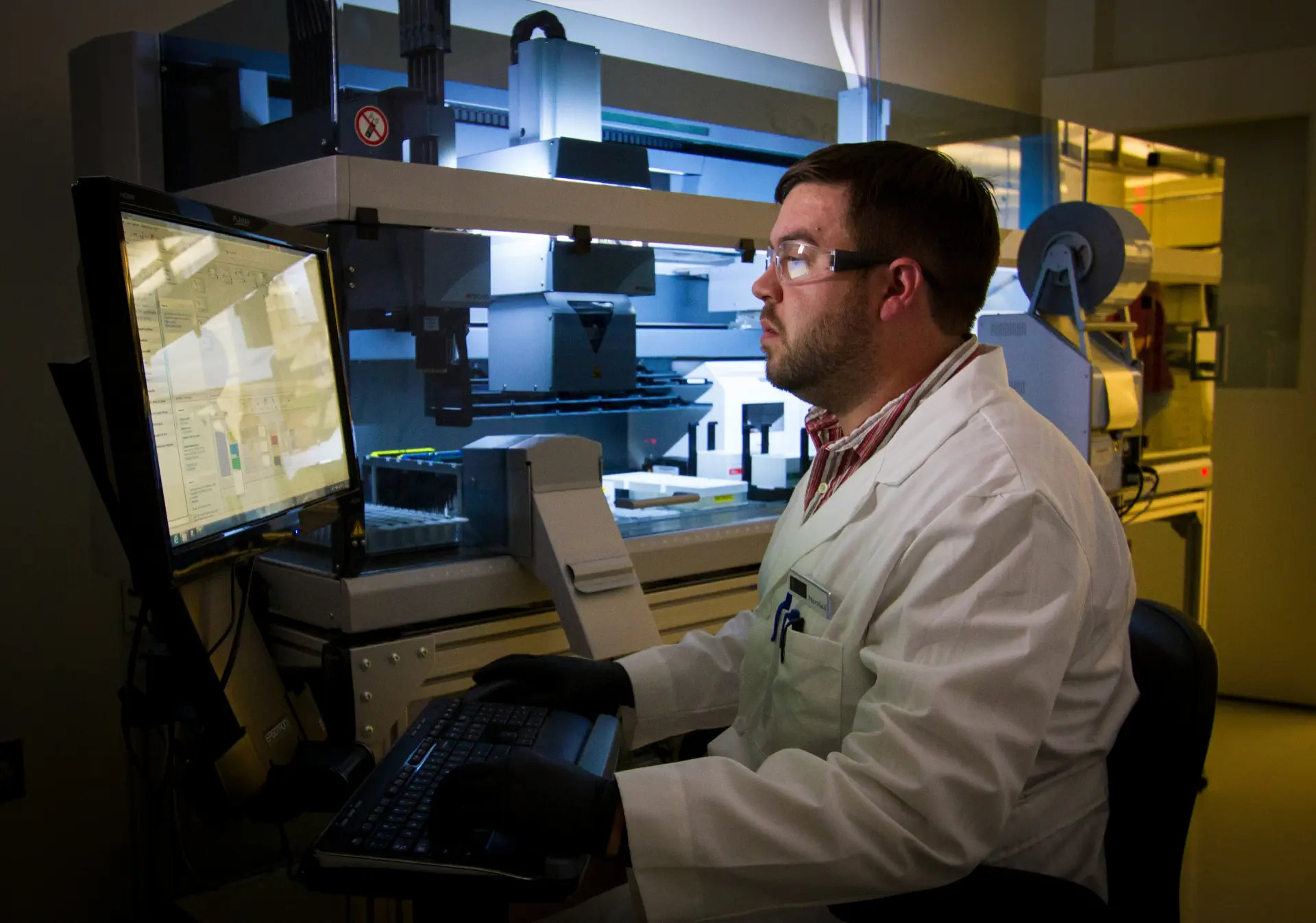
The Institute combines classical paleontological field methods with modern laboratory techniques. These include microCT imaging, geochemical analyses, digital morphometrics, isotopic geochemistry, and quantitative modeling.
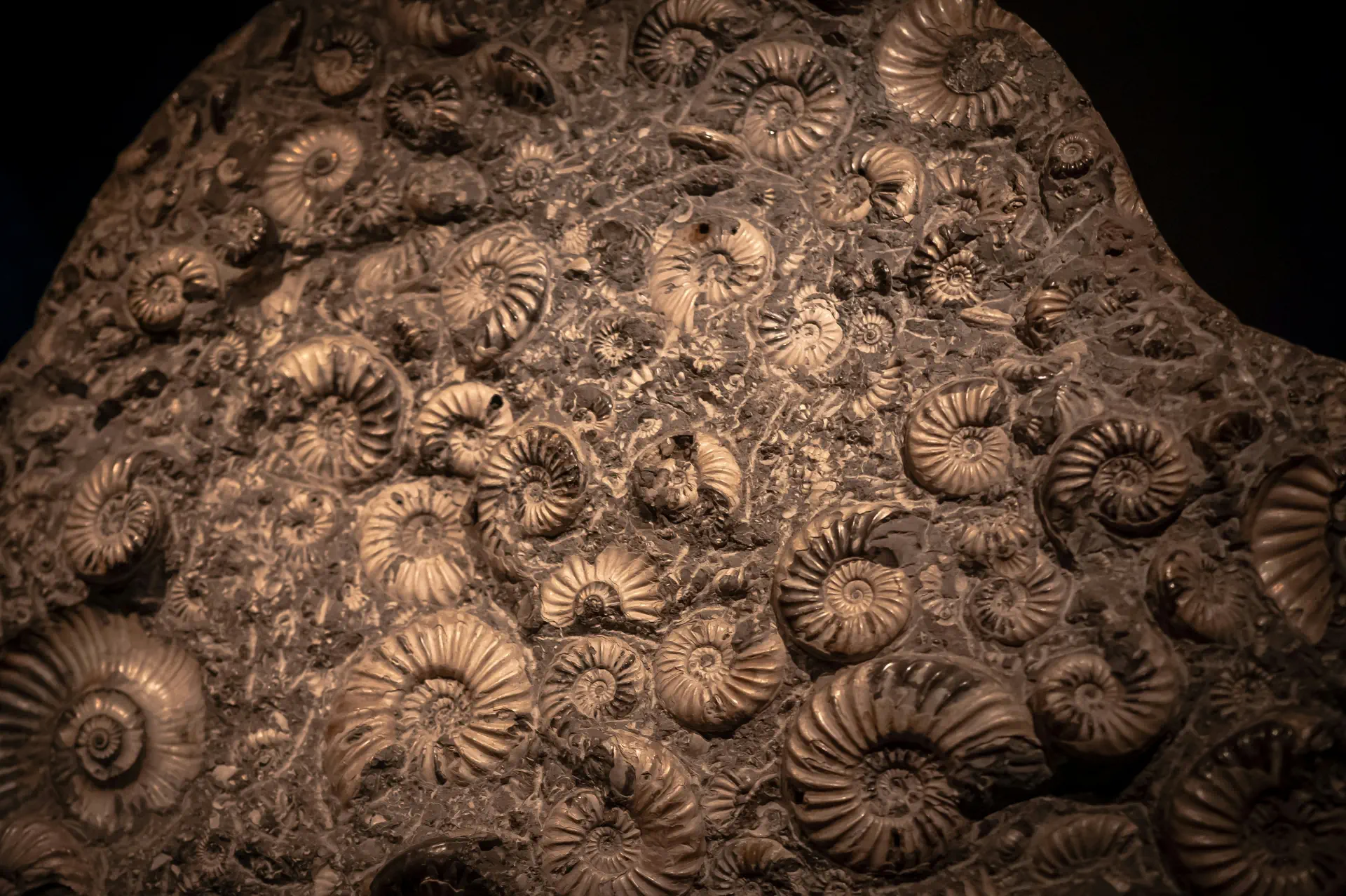
The Institute investigates the history of life on Earth by studying fossils, geological records, and evolutionary processes. Our work integrates field exploration, museum collections, and advanced laboratory research to understand how ancient ecosystems changed over time and how evolution shaped today’s biodiversity.
The Institute is committed to public outreach through exhibitions, public lectures, workshops, and school collaborations. A significant upcoming project is the development of the Museum of Evolution, which will be located in the historic Mekinje Monastery in Kamnik, Slovenia.
The Institute supports the dissemination of knowledge through its own scientific journal platform, which features peer-reviewed research articles, reviews, and methodological studies. Furthermore, we publish our findings under FAIR data principles to ensure science is reproducible and open.
Yes, the Institute maintains extensive paleontological and geological collections, including fossil specimens, stratigraphic archives, and reference databases. We are actively involved in the digitization, conservation, and curation of these materials to ensure they are accessible to both researchers and the general public.
