
HERO IMAGE
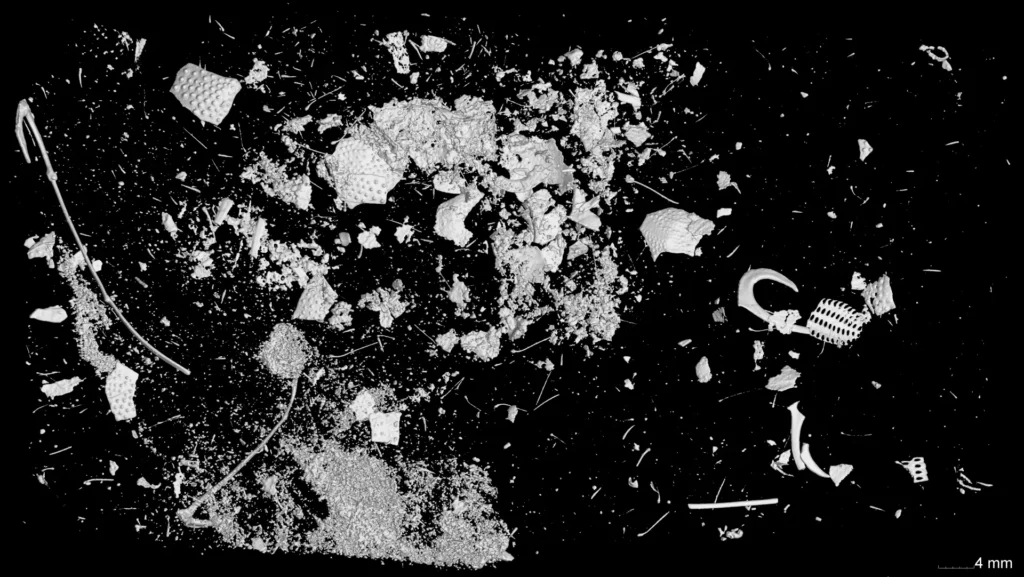
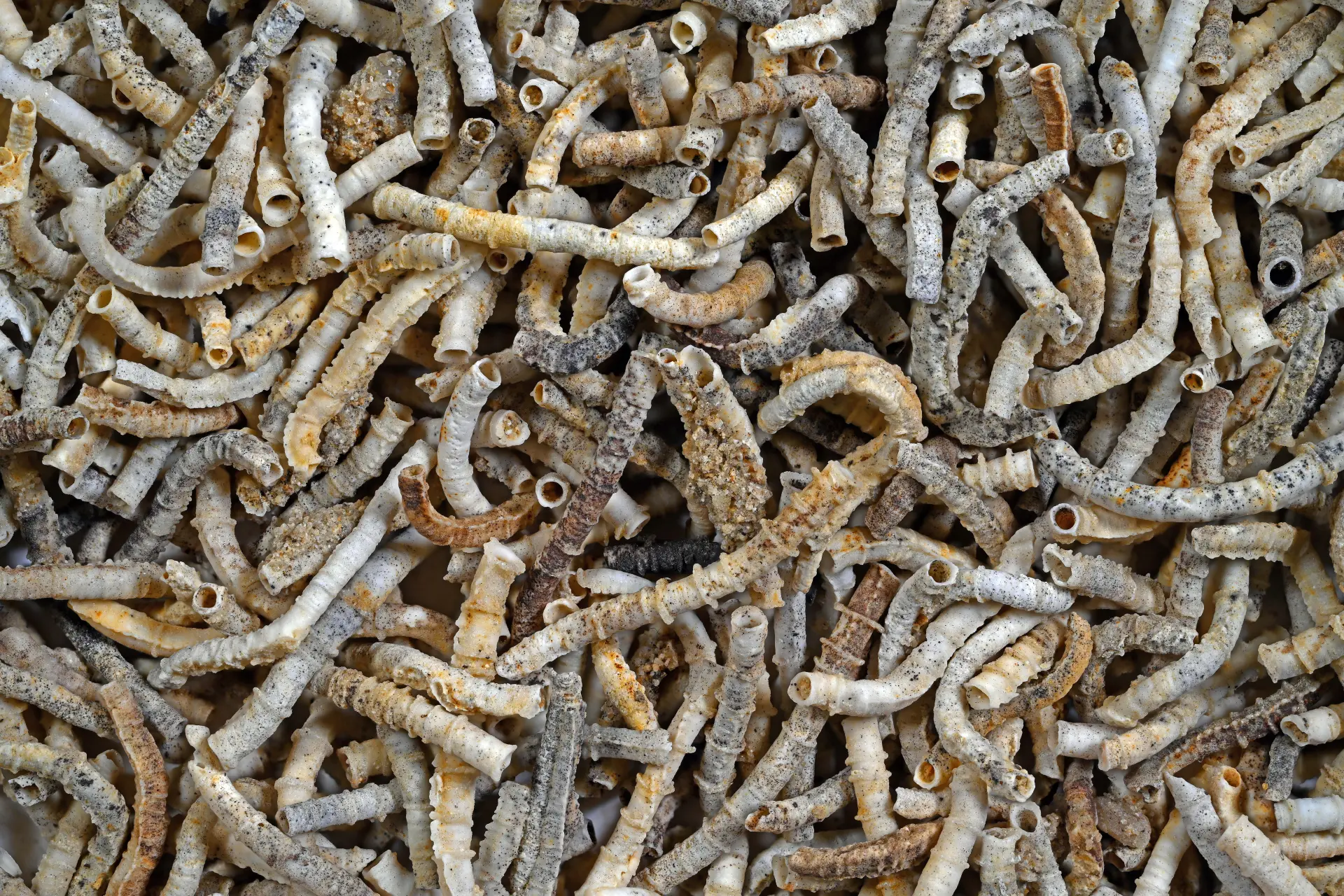
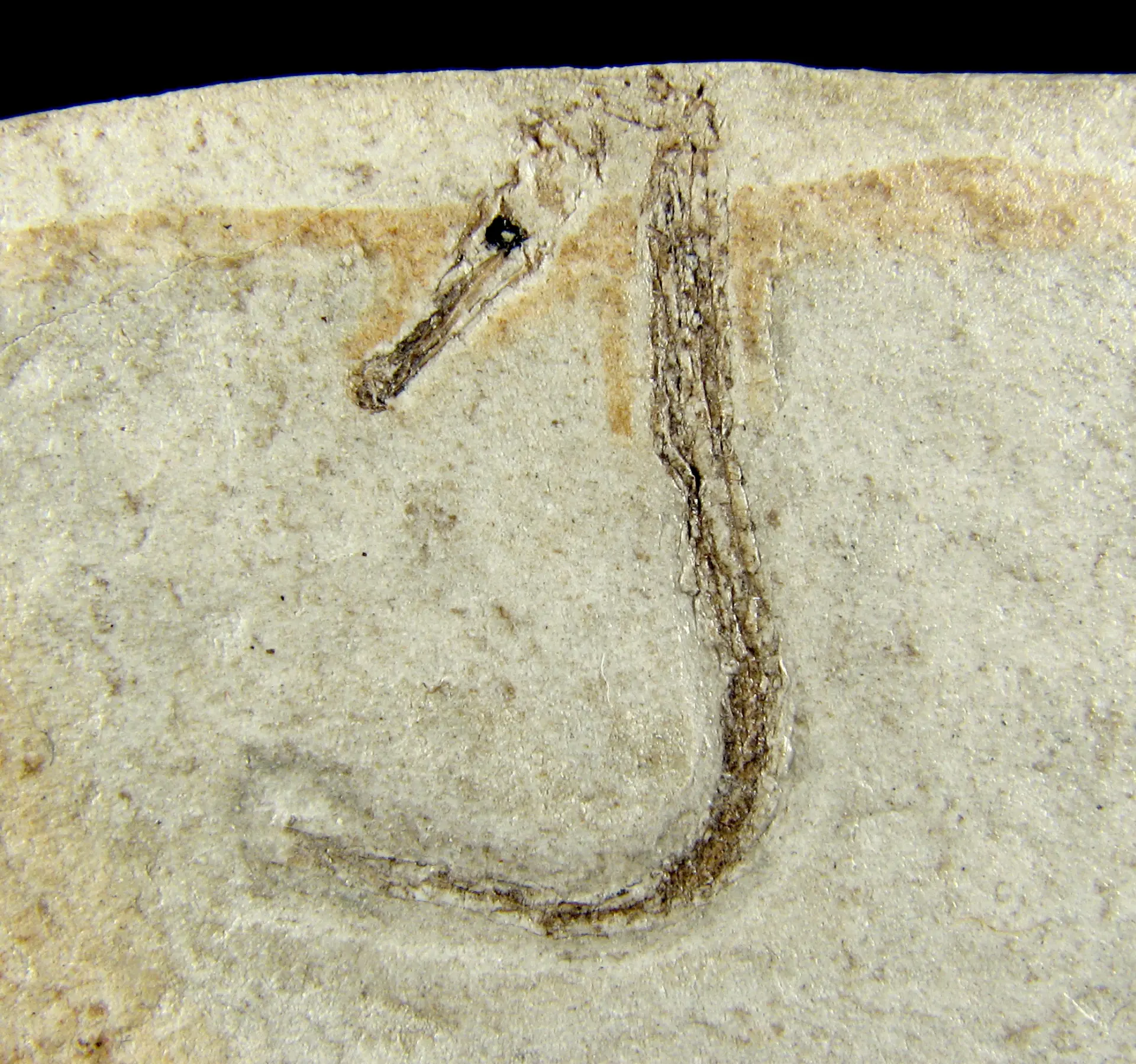
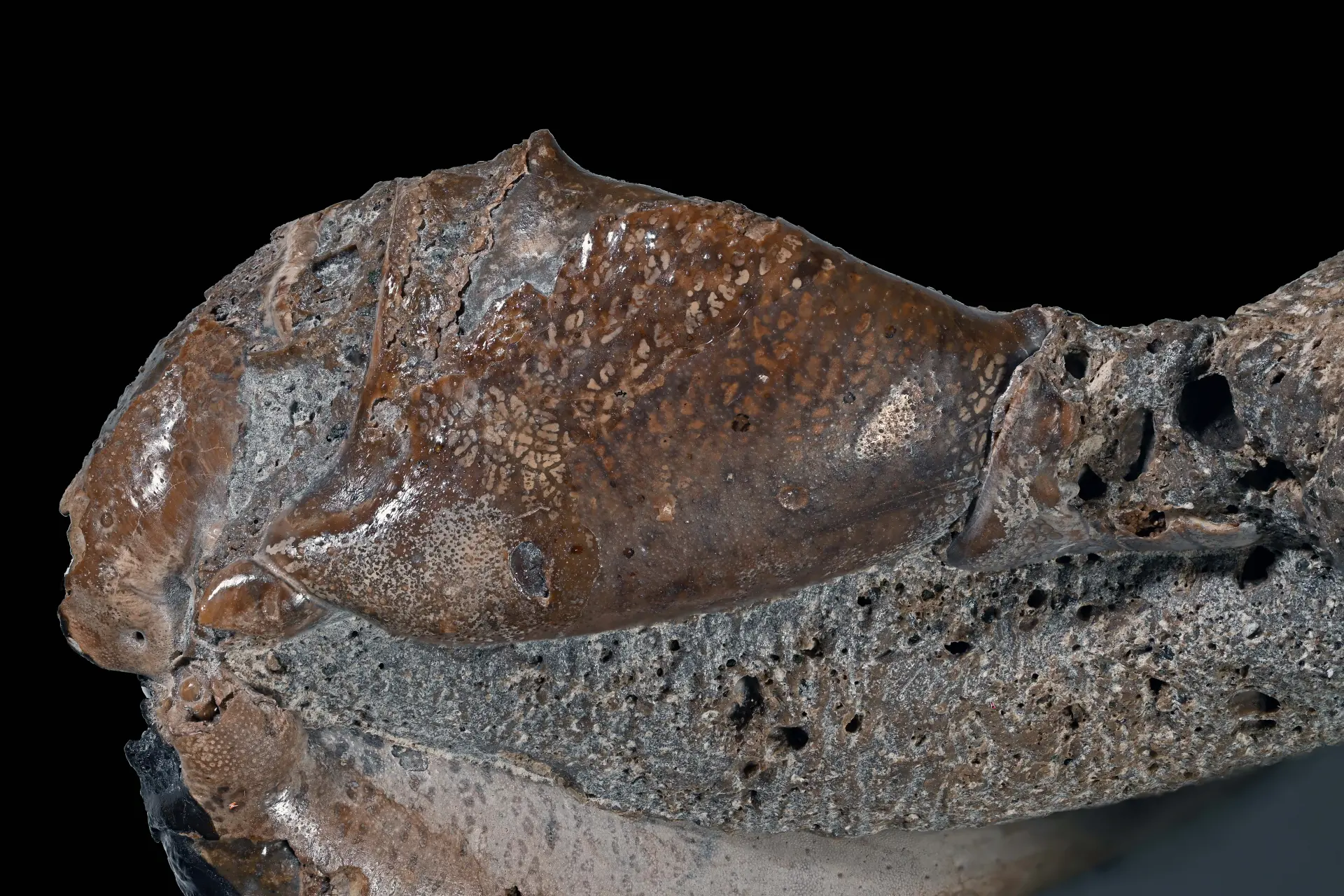
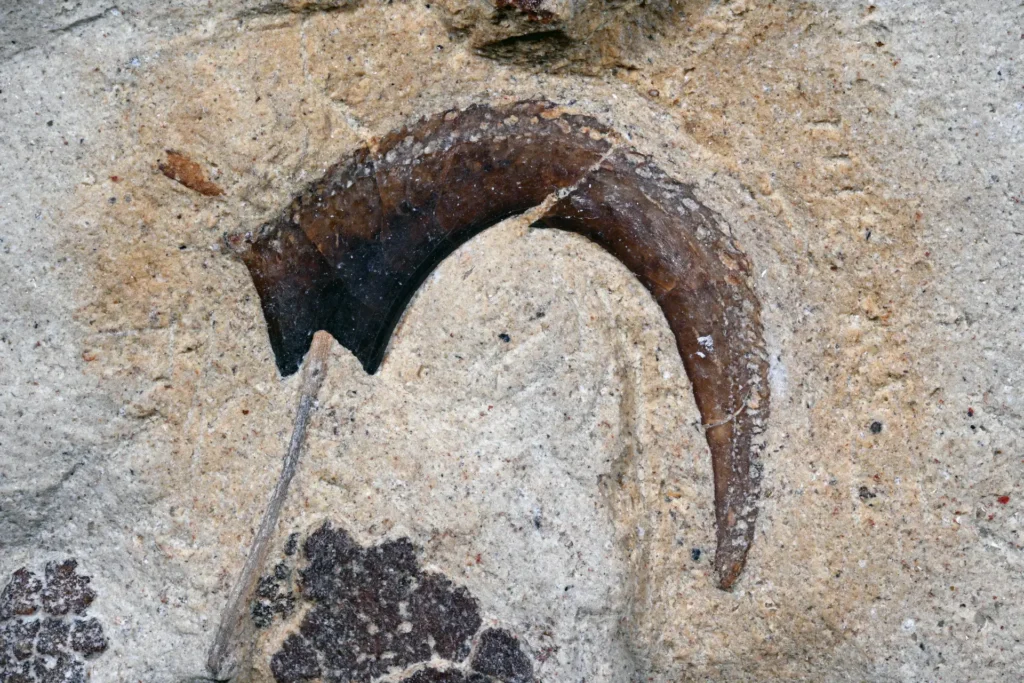
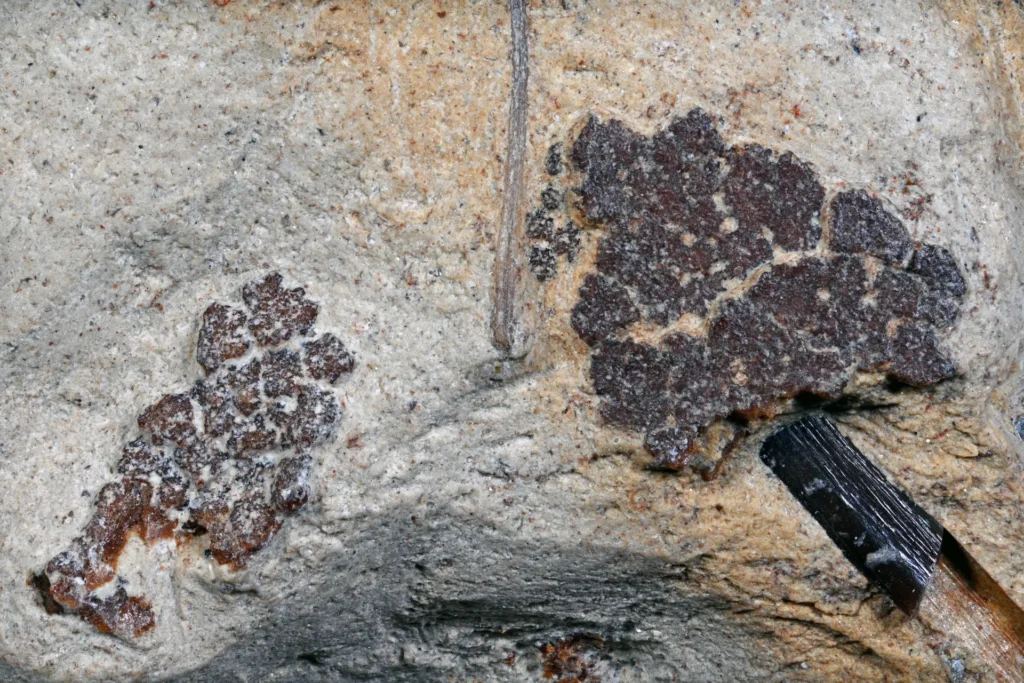
Photograph of the complete bromalite containing basking shark gill rakers, accompanied by close-up images of the fossil gill rakers and the micro-CT reconstruction highlighting the preserved skeletal elements.
HIGHLIGHTS
An unusual fossil from northeastern Slovenia preserves the regurgitated remains of an extinct basking shark together with sea urchins. This rare discovery provides the first confirmed record of the extinct basking shark Keasius from Slovenia and offers exceptional insight into food webs in the Early Miocene Central Paratethys.
overview
Basking sharks are the largest fish alive today, feeding peacefully on microscopic plankton using hundreds of delicate gill rakers that filter food from seawater. These fragile structures rarely fossilise, making well-preserved fossil remains exceptionally uncommon. Even rarer is direct evidence showing what happened to a basking shark after its death.
A remarkable fossil from Meljski hrib near Maribor records exactly such an event. The specimen contains at least 25 fragmented gill rakers, calcified cartilage and sea urchin remains preserved together within a bromalite, a fossilised mass of regurgitated stomach contents. Using comparative anatomy, geometric morphometric analysis and micro-computed tomography, the remains were identified as belonging to the extinct basking shark Keasius cf. K. septemtrionalis, representing the first confirmed occurrence of this genus in Slovenia and extending its known distribution into the southeastern Central Paratethys.
The associated fossils reveal that the shark lived in a deep outer-shelf environment approximately 150–250 metres below the sea surface. The combination of shark remains, sea urchins and the absence of digestive corrosion indicates that the assemblage was most likely produced when another large shark scavenged the carcass of a basking shark and later regurgitated the indigestible remains. This unique fossil captures a rare ecological interaction between ancient marine vertebrates, providing an extraordinary glimpse into the complex food webs of Miocene oceans and demonstrating how even fossilised stomach contents can reveal the behaviour of long-extinct animals.
REFERENCE
Gašparič, R., Kovalchuk, O., Mazuch, M., Košťák, M., Hitij, T., Kočová Veselská, M., Kočí, T. & Barkaszi, Z. 2026. An Early Miocene regurgitalite containing basking shark remains from Slovenia: insight into cetorhinid palaeoecology of the Central Paratethys. Swiss Journal of Palaeontology 145: 839–849.
Read the publication on ResearchGate.