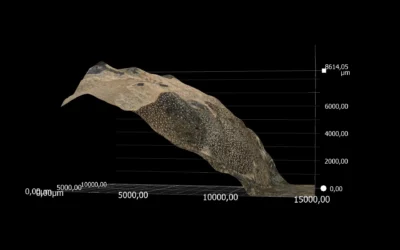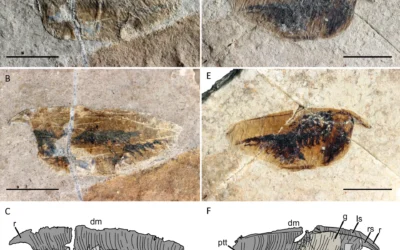
The Institute of Palaeobiology & Evolution is proud to announce a major future initiative: the development of the Museum of Evolution. This ambitious project will be housed in the historic Mekinje Monastery in Kamnik, Slovenia. The contrast between the ancient stone walls of the monastery and the millions of years of history contained within our fossil collections will create a unique space for reflection and learning.
Scroll Down
Institute of Paleobiology & Evolution (IPE)
News
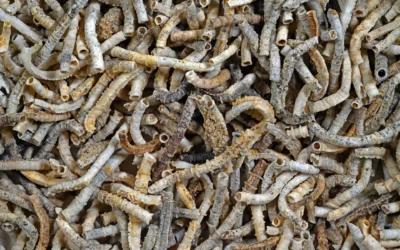
The cave worm that conquered fresh waters
The Institute of Palaeobiology & Evolution is proud to announce a major future initiative: the development of the Museum of Evolution. This ambitious project will be housed in the historic Mekinje Monastery in Kamnik, Slovenia. The contrast between the ancient stone walls of the monastery and the millions of years of history contained within our fossil collections will create a unique space for reflection and learning.
A hidden Miocene world preserved at Tunjice
The Institute of Palaeobiology & Evolution is proud to announce a major future initiative: the development of the Museum of Evolution. This ambitious project will be housed in the historic Mekinje Monastery in Kamnik, Slovenia. The contrast between the ancient stone walls of the monastery and the millions of years of history contained within our fossil collections will create a unique space for reflection and learning.
Fossils reveal an ancient Ukrainian seabed
The Institute of Palaeobiology & Evolution is proud to announce a major future initiative: the development of the Museum of Evolution. This ambitious project will be housed in the historic Mekinje Monastery in Kamnik, Slovenia. The contrast between the ancient stone walls of the monastery and the millions of years of history contained within our fossil collections will create a unique space for reflection and learning.
The first fossil stalked barnacle from Slovenia
The Institute of Palaeobiology & Evolution is proud to announce a major future initiative: the development of the Museum of Evolution. This ambitious project will be housed in the historic Mekinje Monastery in Kamnik, Slovenia. The contrast between the ancient stone walls of the monastery and the millions of years of history contained within our fossil collections will create a unique space for reflection and learning.
How a Cretaceous crab changed as it grew
The Institute of Palaeobiology & Evolution is proud to announce a major future initiative: the development of the Museum of Evolution. This ambitious project will be housed in the historic Mekinje Monastery in Kamnik, Slovenia. The contrast between the ancient stone walls of the monastery and the millions of years of history contained within our fossil collections will create a unique space for reflection and learning.
A new Early Cretaceous hermit crab from Slovenia
The Institute of Palaeobiology & Evolution is proud to announce a major future initiative: the development of the Museum of Evolution. This ambitious project will be housed in the historic Mekinje Monastery in Kamnik, Slovenia. The contrast between the ancient stone walls of the monastery and the millions of years of history contained within our fossil collections will create a unique space for reflection and learning.
Middle and Late Triassic thylacocephalans from Slovenia
The Institute of Palaeobiology & Evolution is proud to announce a major future initiative: the development of the Museum of Evolution. This ambitious project will be housed in the historic Mekinje Monastery in Kamnik, Slovenia. The contrast between the ancient stone walls of the monastery and the millions of years of history contained within our fossil collections will create a unique space for reflection and learning.
Late Oligocene crabs from the Slovenian Coal Basin
The Institute of Palaeobiology & Evolution is proud to announce a major future initiative: the development of the Museum of Evolution. This ambitious project will be housed in the historic Mekinje Monastery in Kamnik, Slovenia. The contrast between the ancient stone walls of the monastery and the millions of years of history contained within our fossil collections will create a unique space for reflection and learning.
Europe’s oldest freshwater crayfish from Slovenia
The Institute of Palaeobiology & Evolution is proud to announce a major future initiative: the development of the Museum of Evolution. This ambitious project will be housed in the historic Mekinje Monastery in Kamnik, Slovenia. The contrast between the ancient stone walls of the monastery and the millions of years of history contained within our fossil collections will create a unique space for reflection and learning.