
Fossil Heritage, Scientific Archives & Research Resources
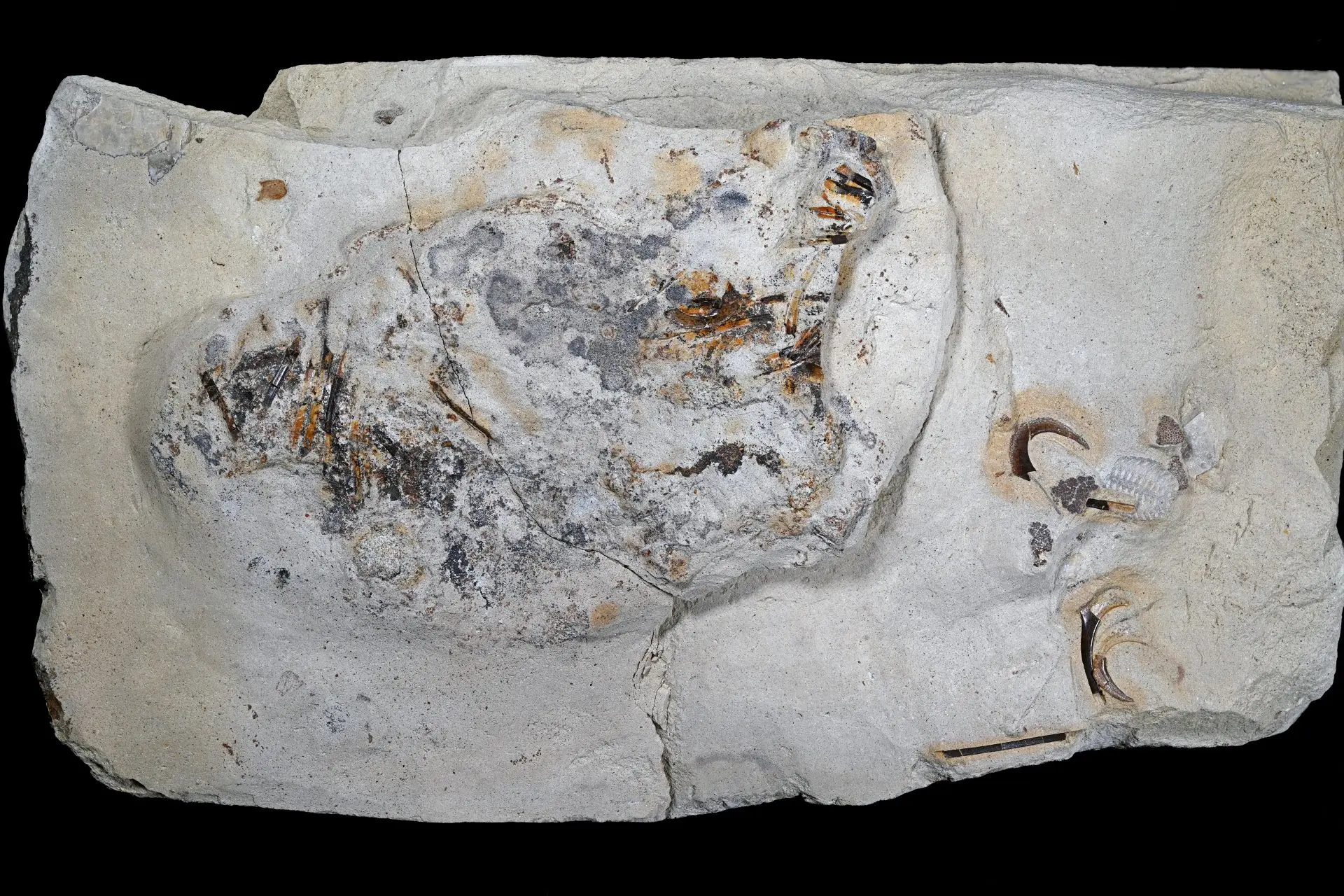
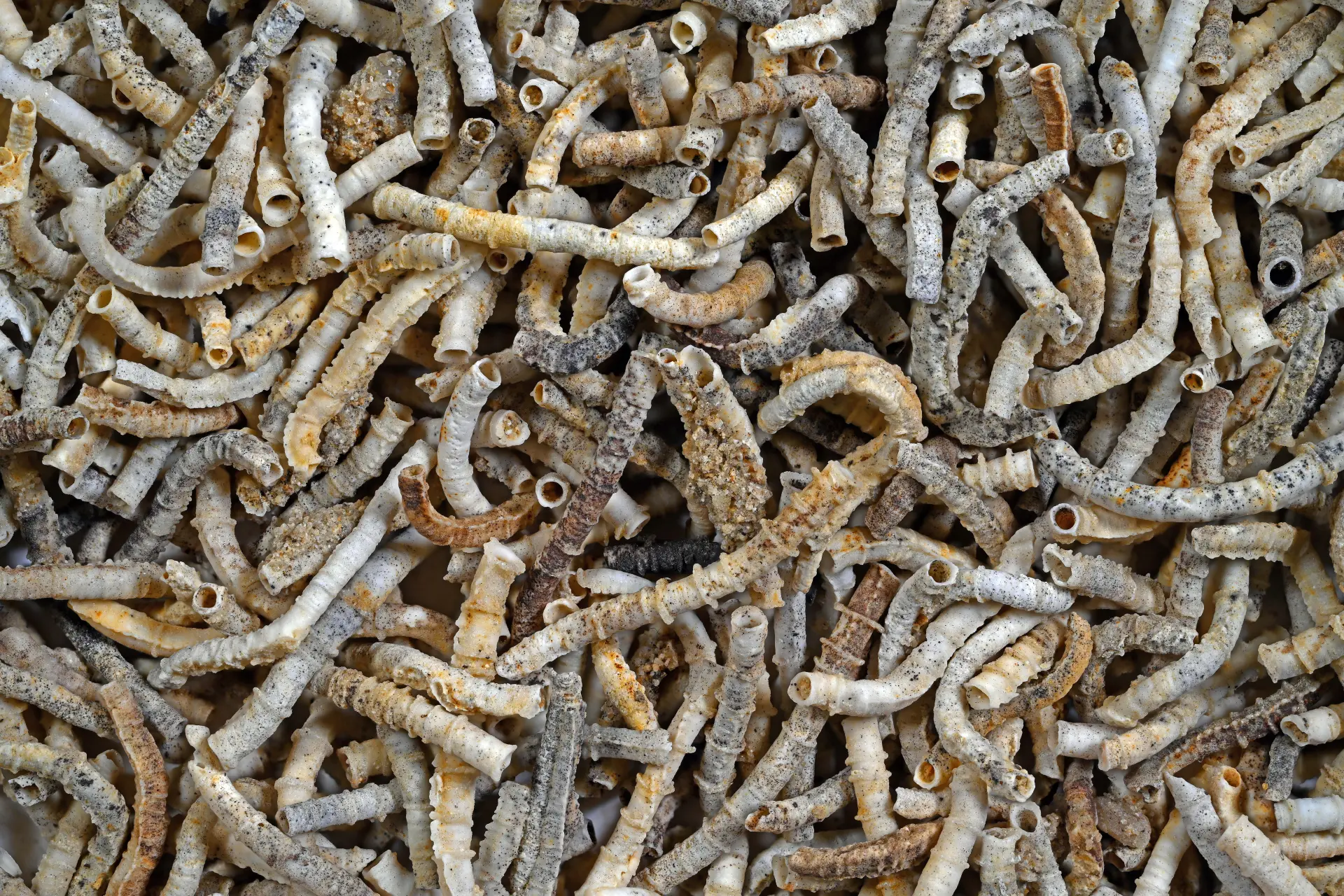
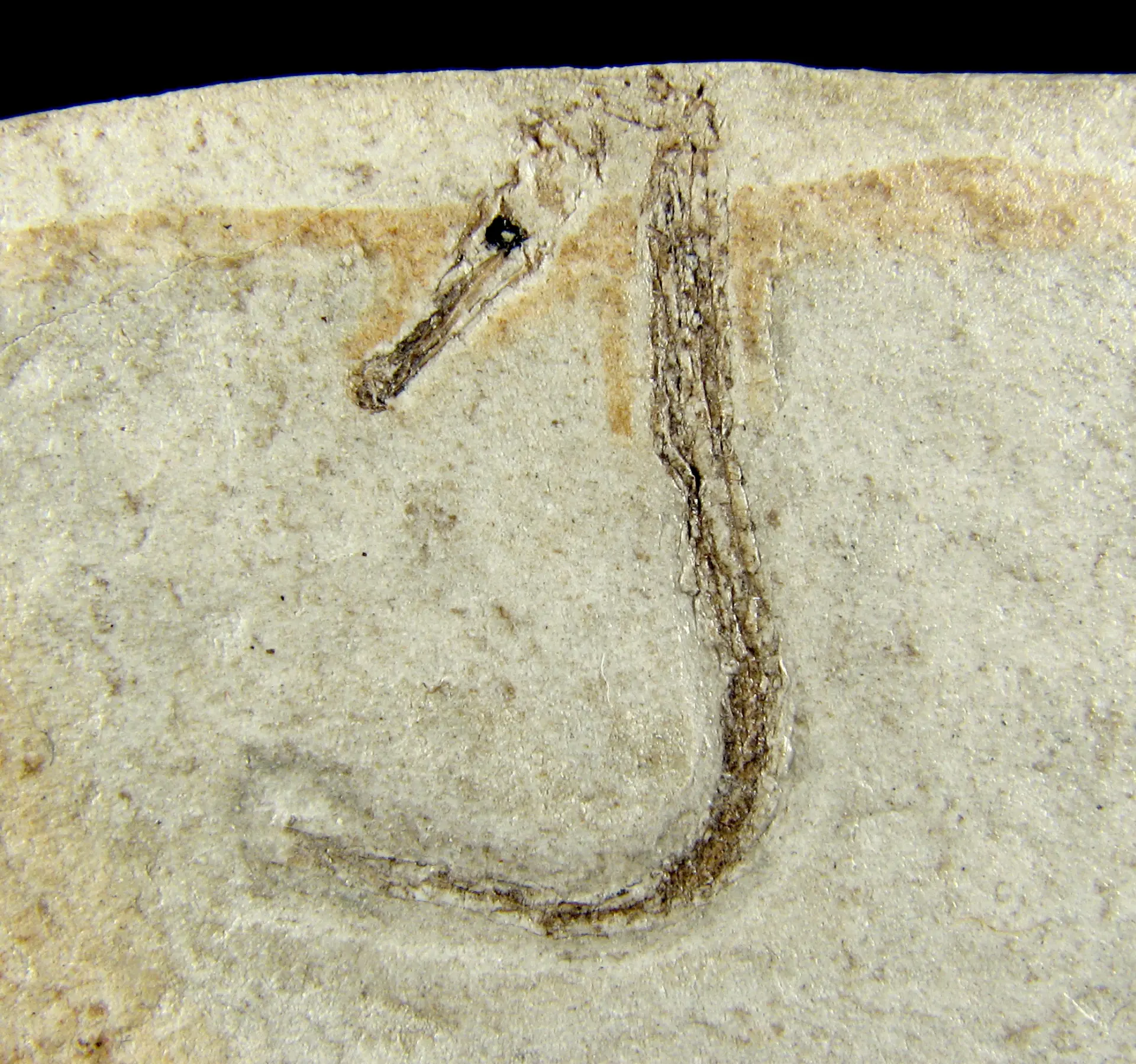
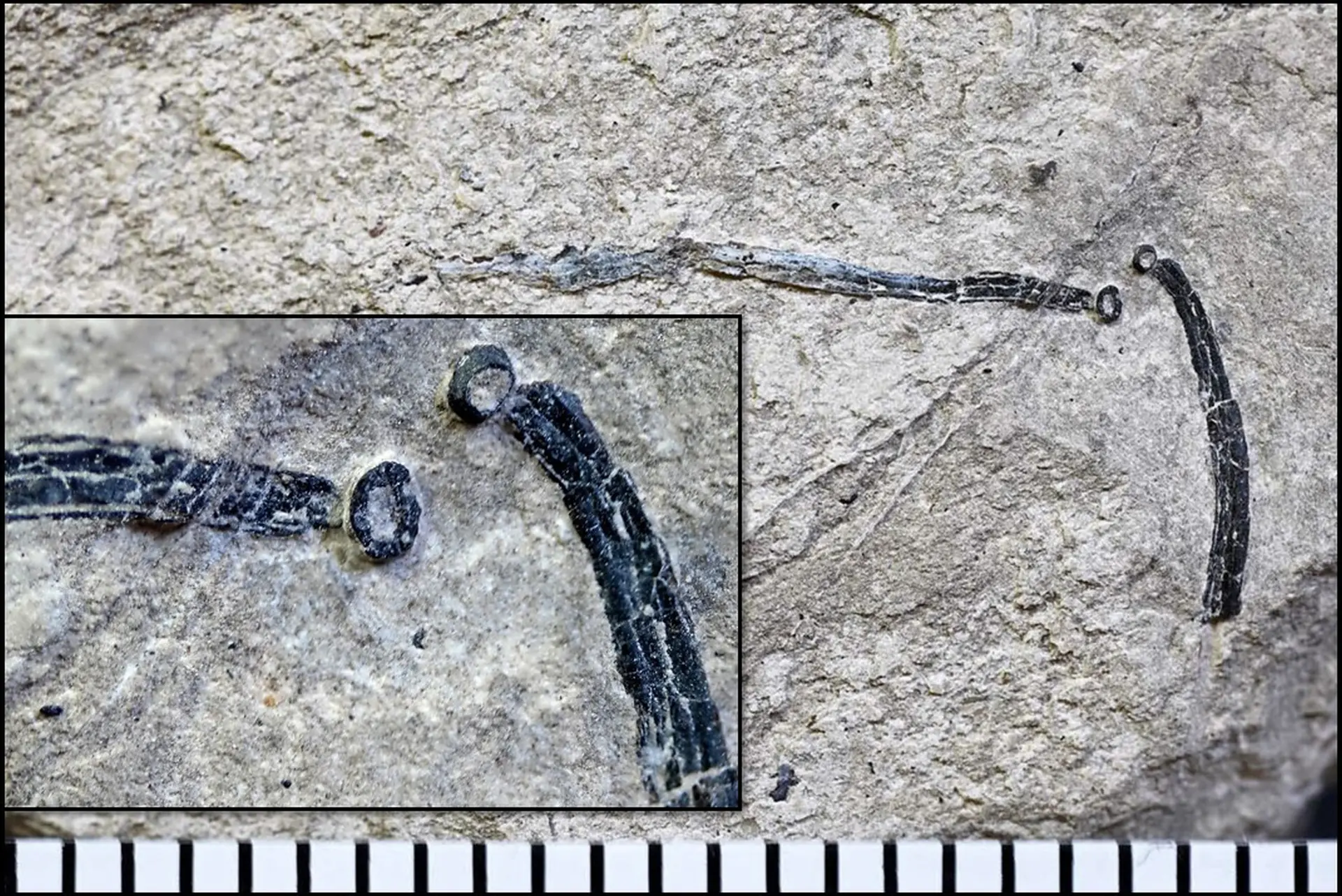
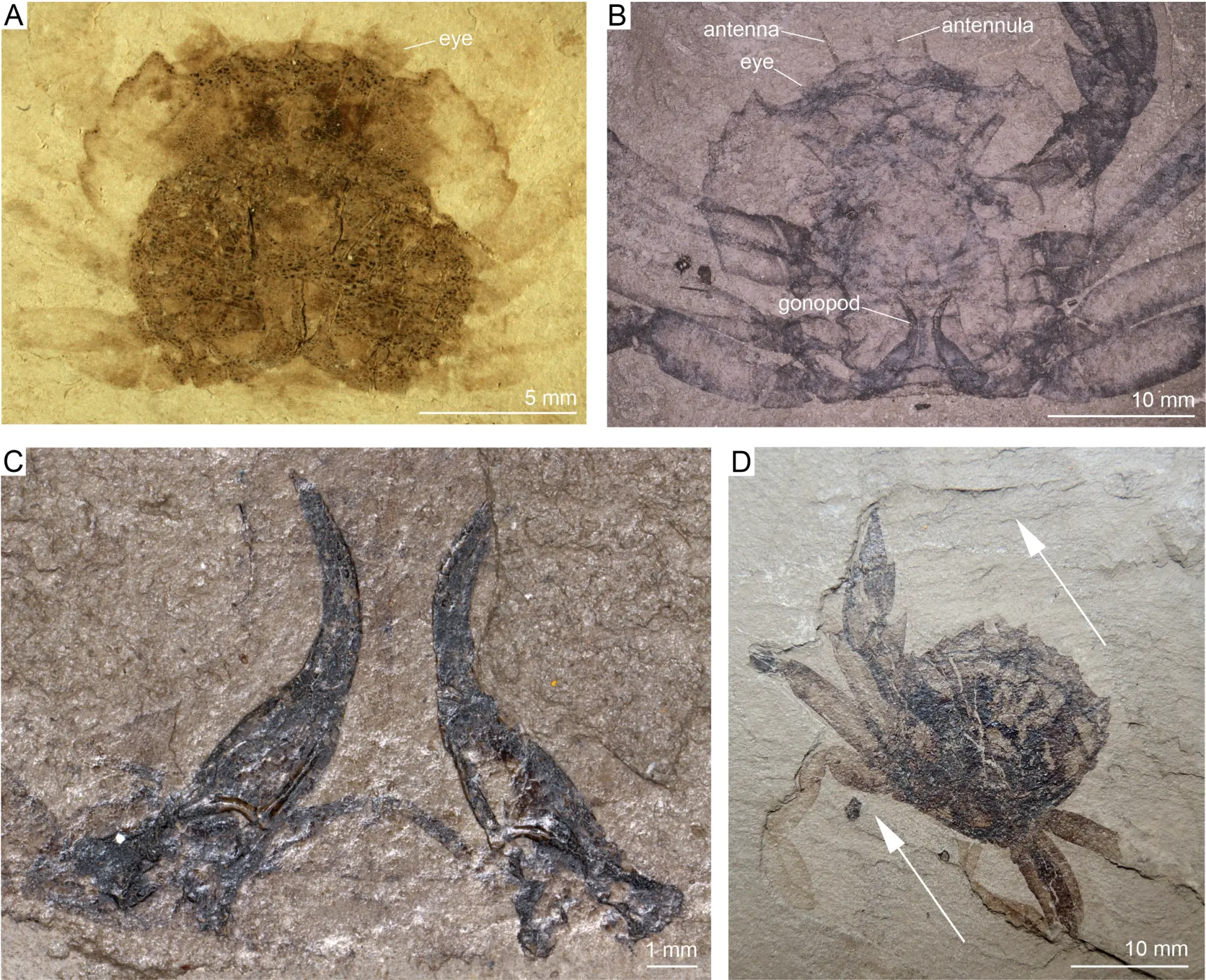
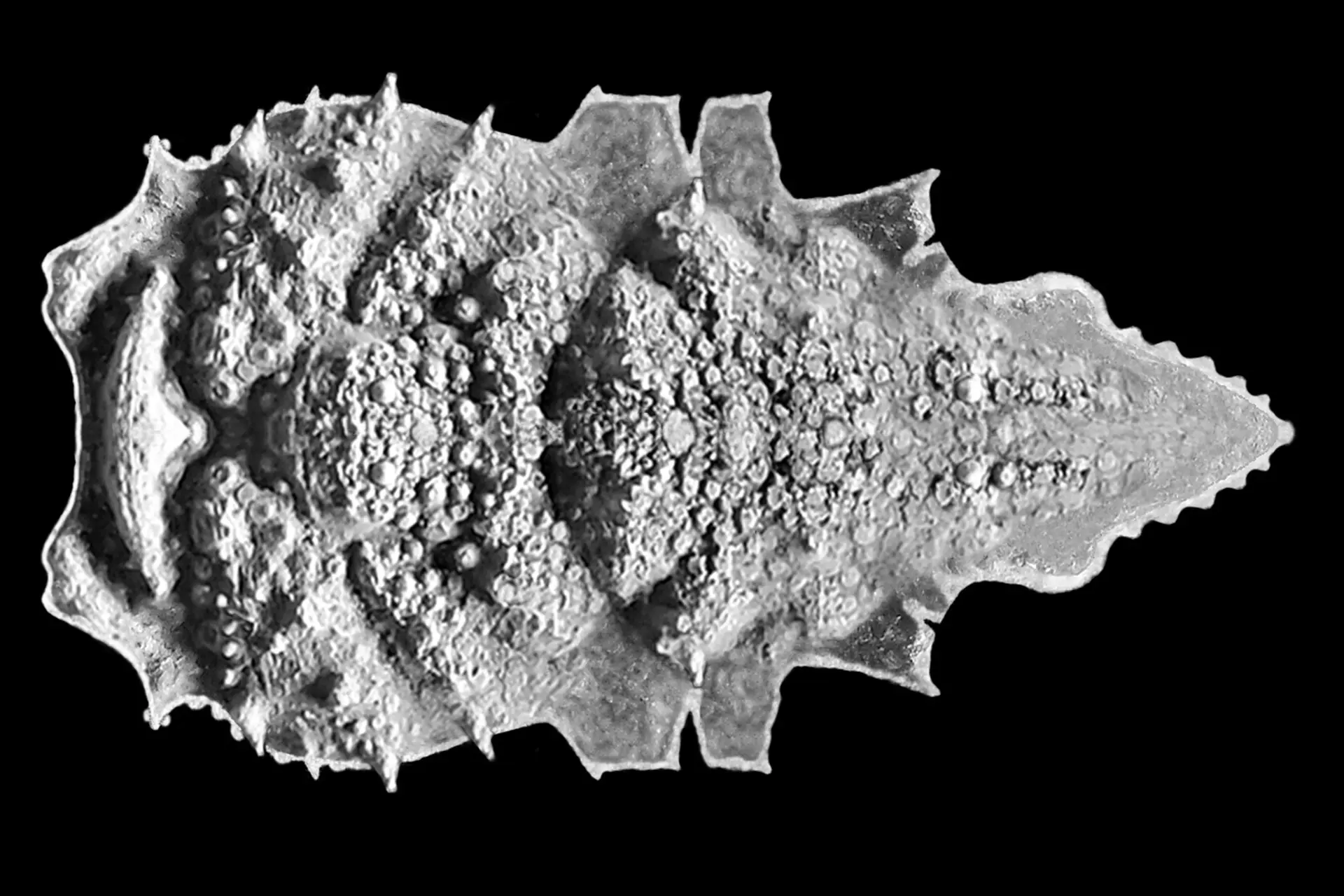
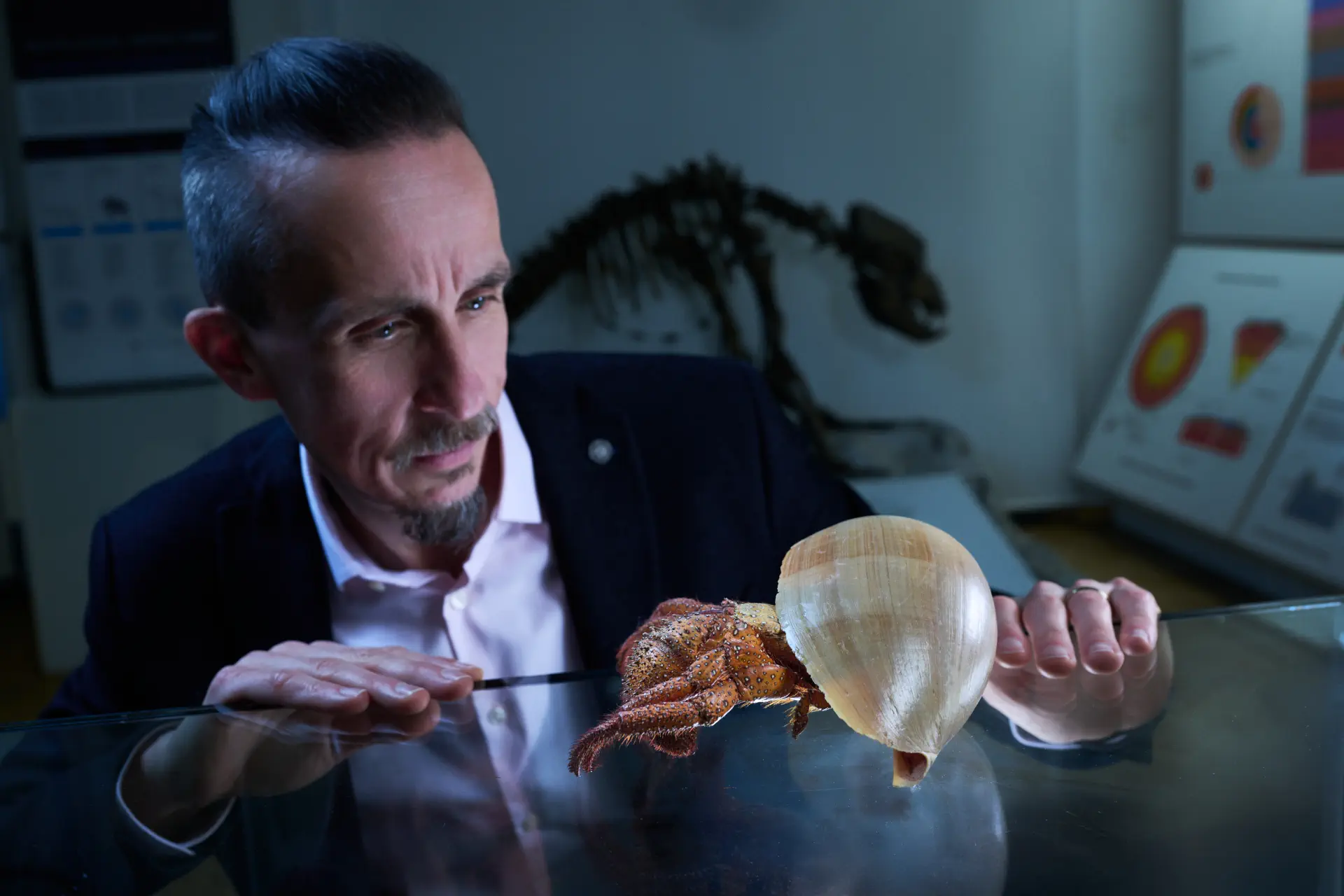
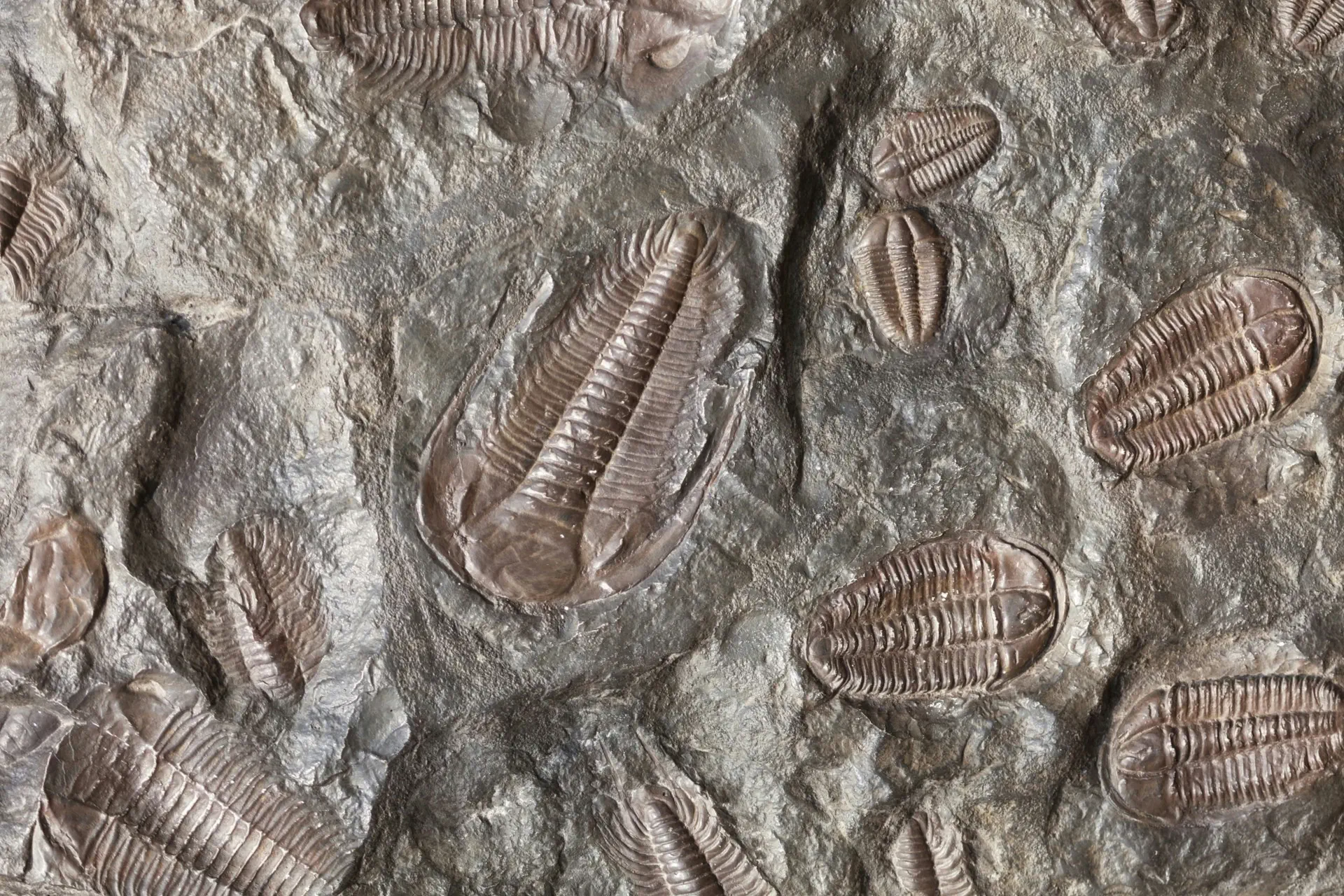
The Institute maintains extensive paleontological and geological collections that serve as essential resources for scientific research, education, and heritage preservation.
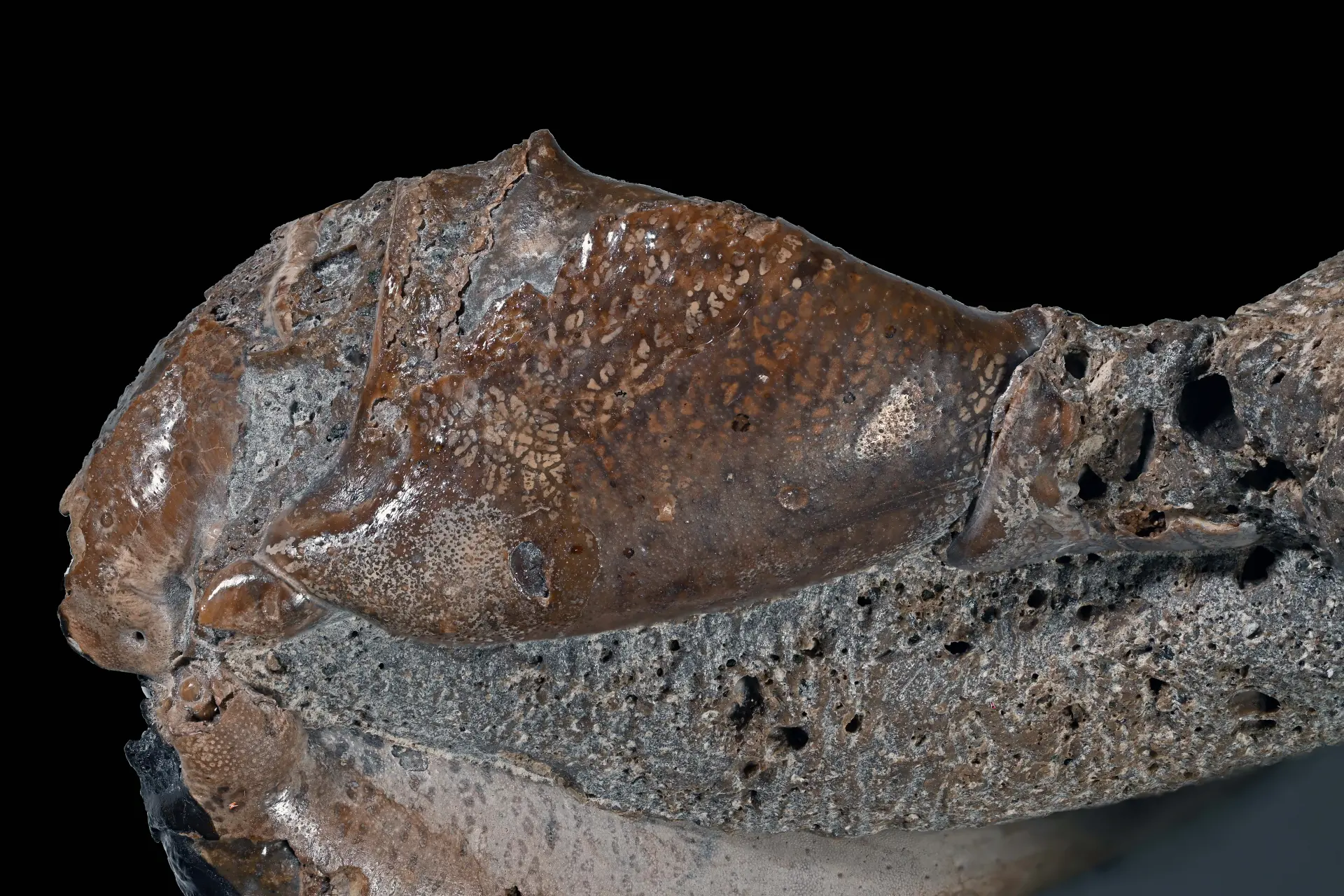
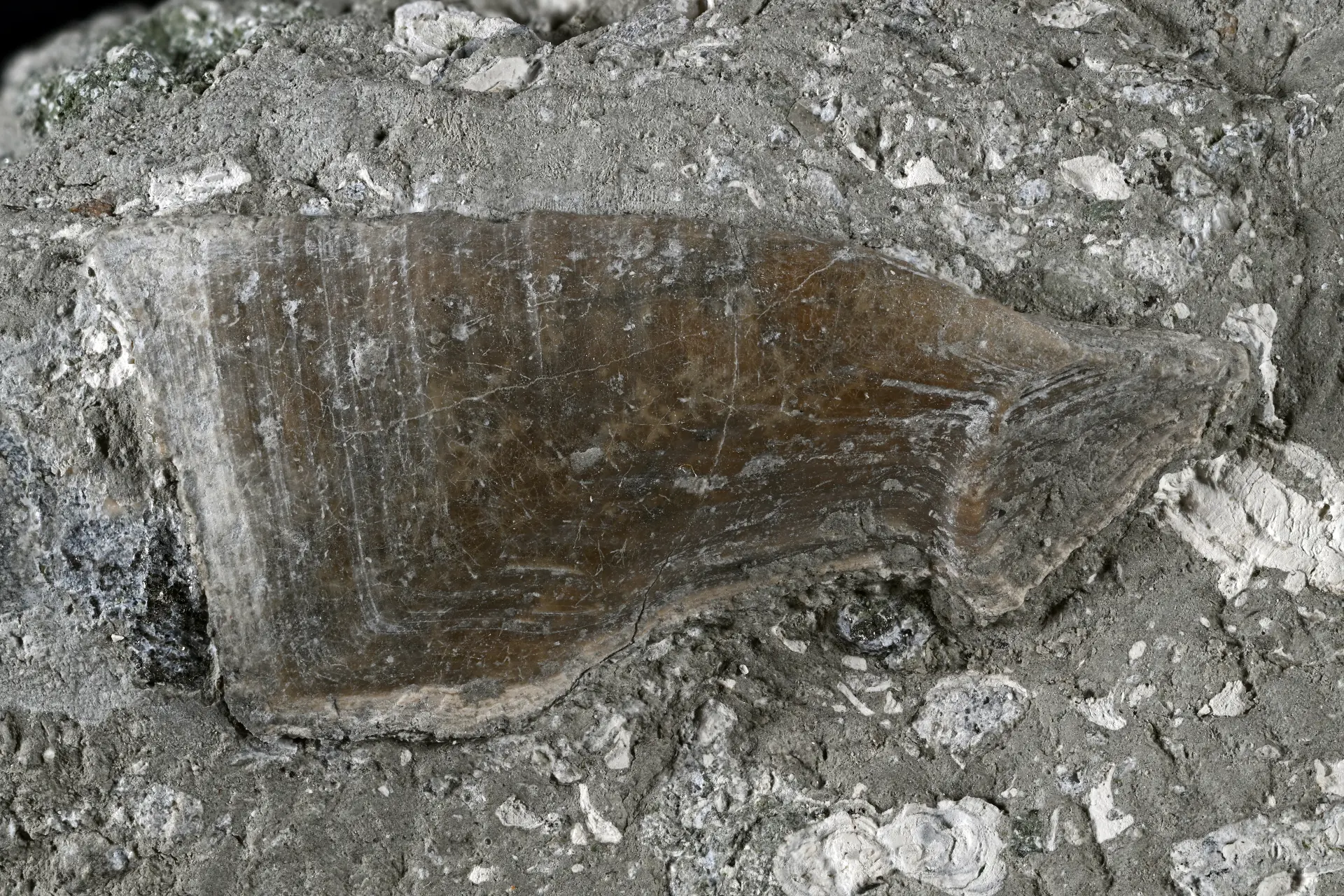
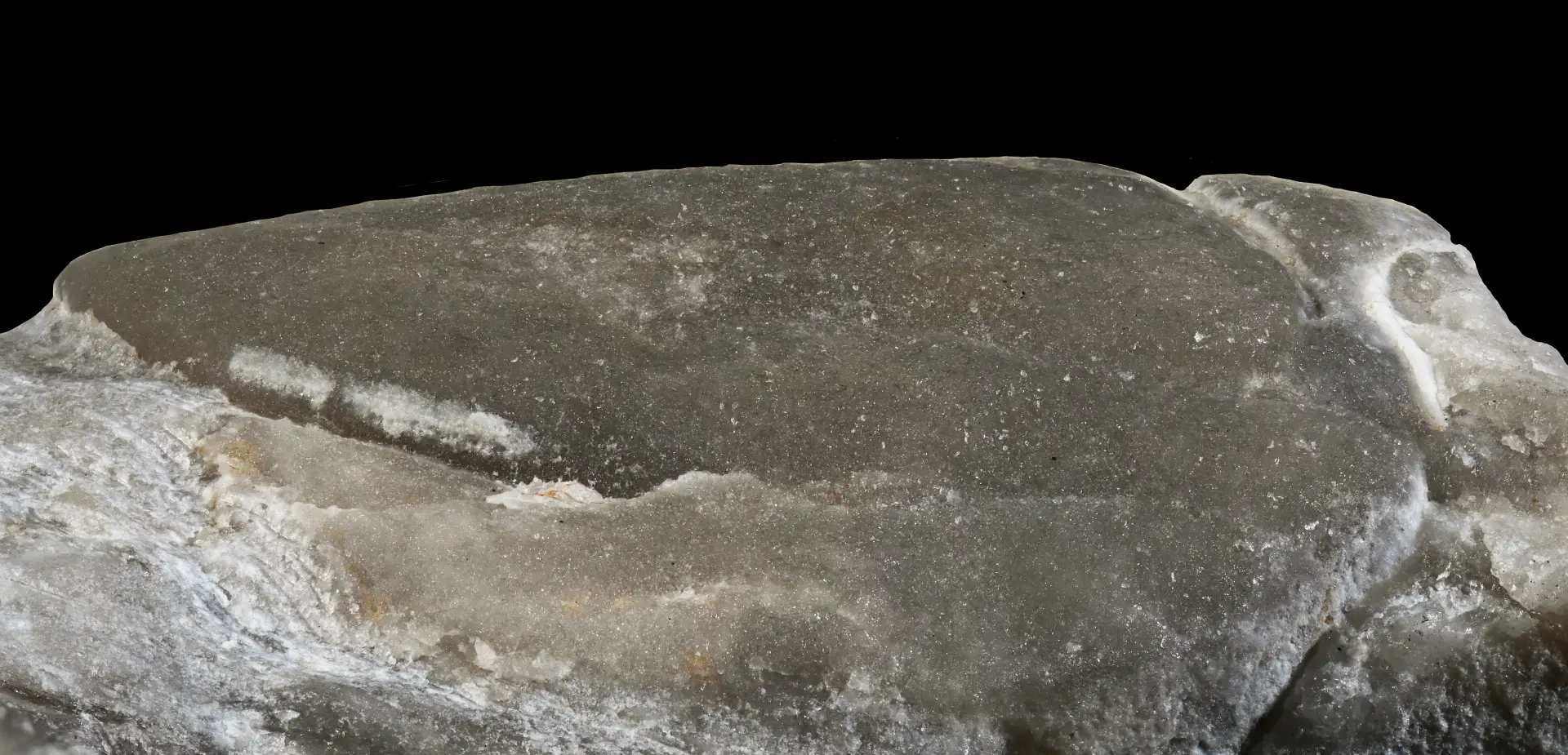
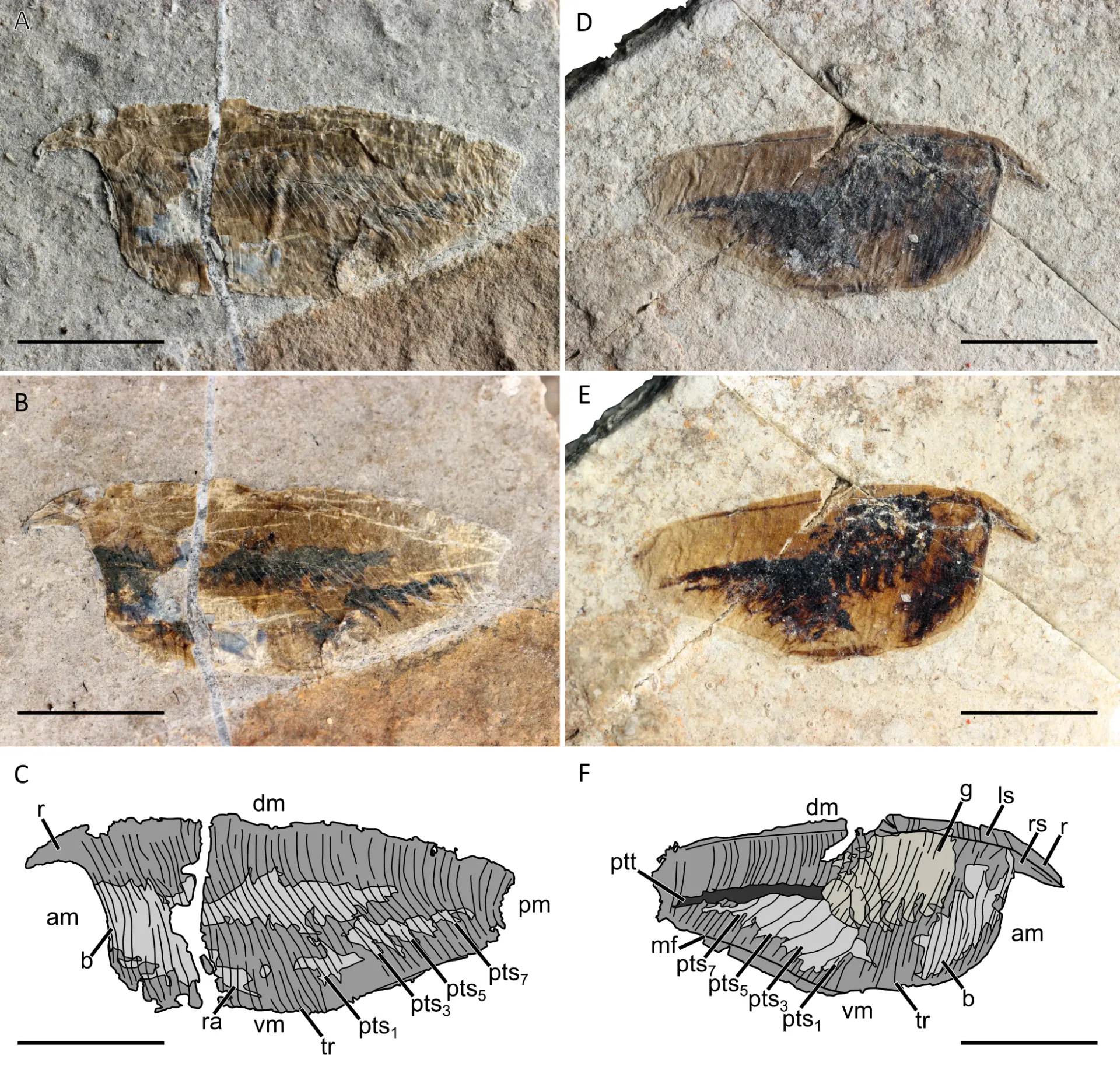
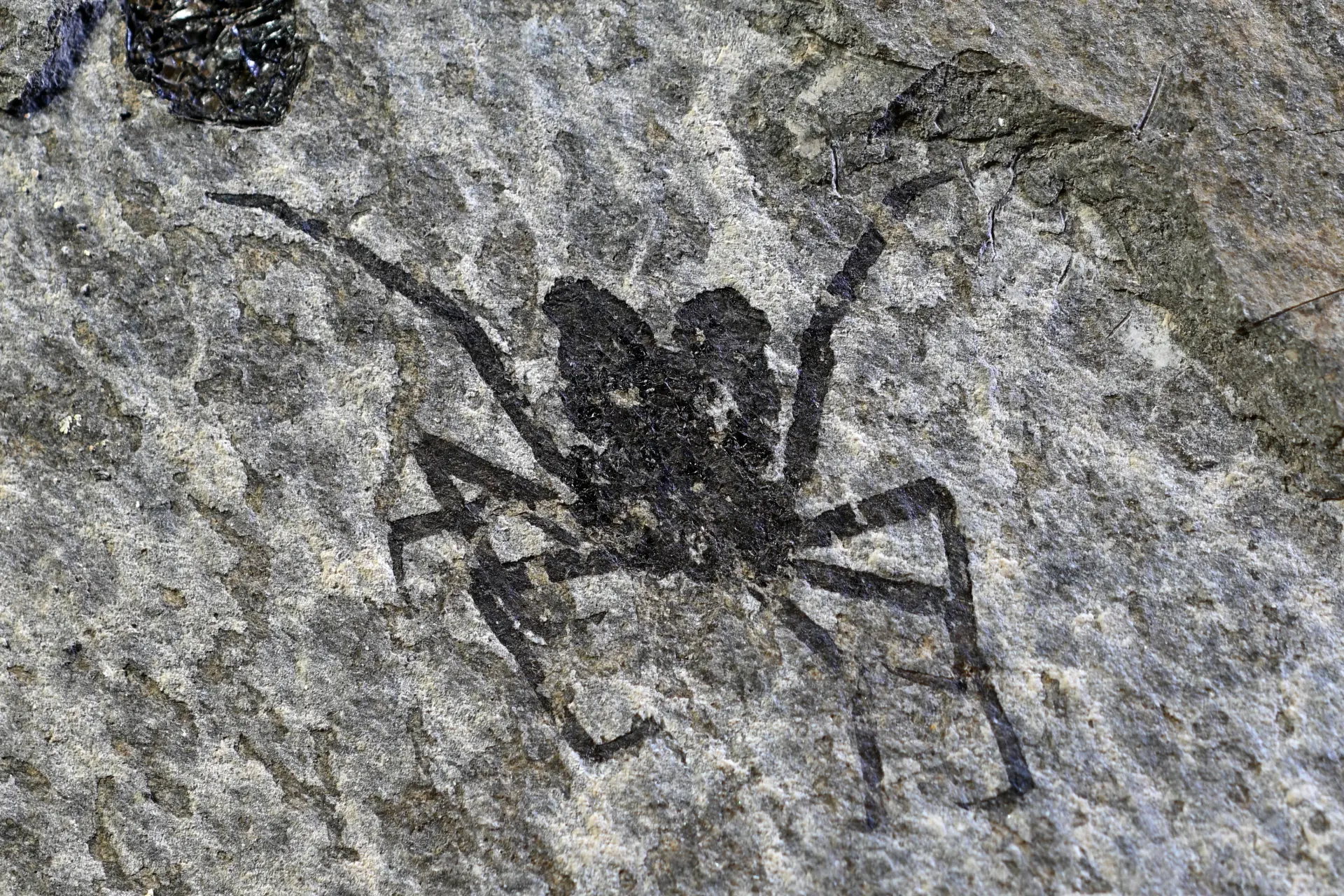
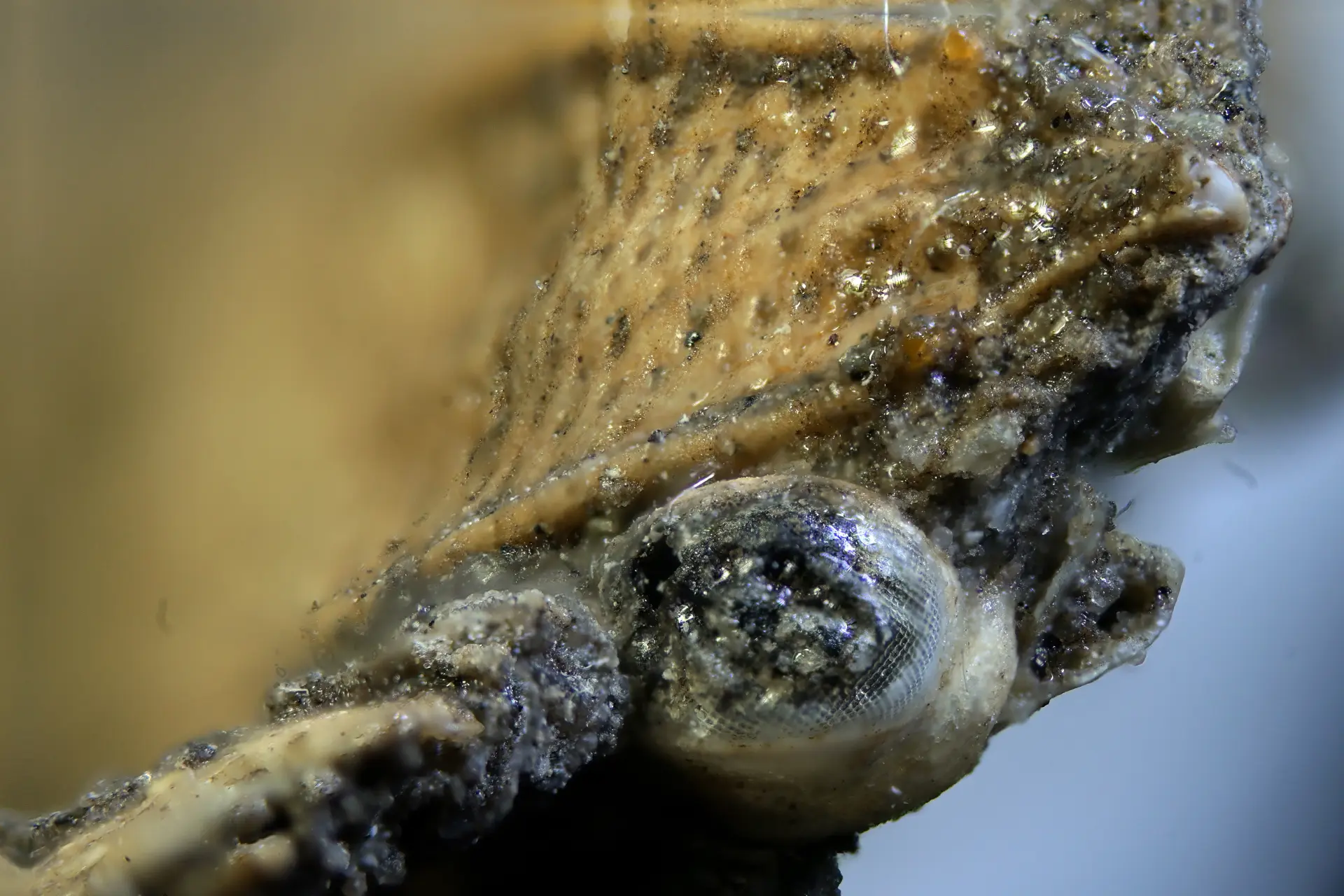
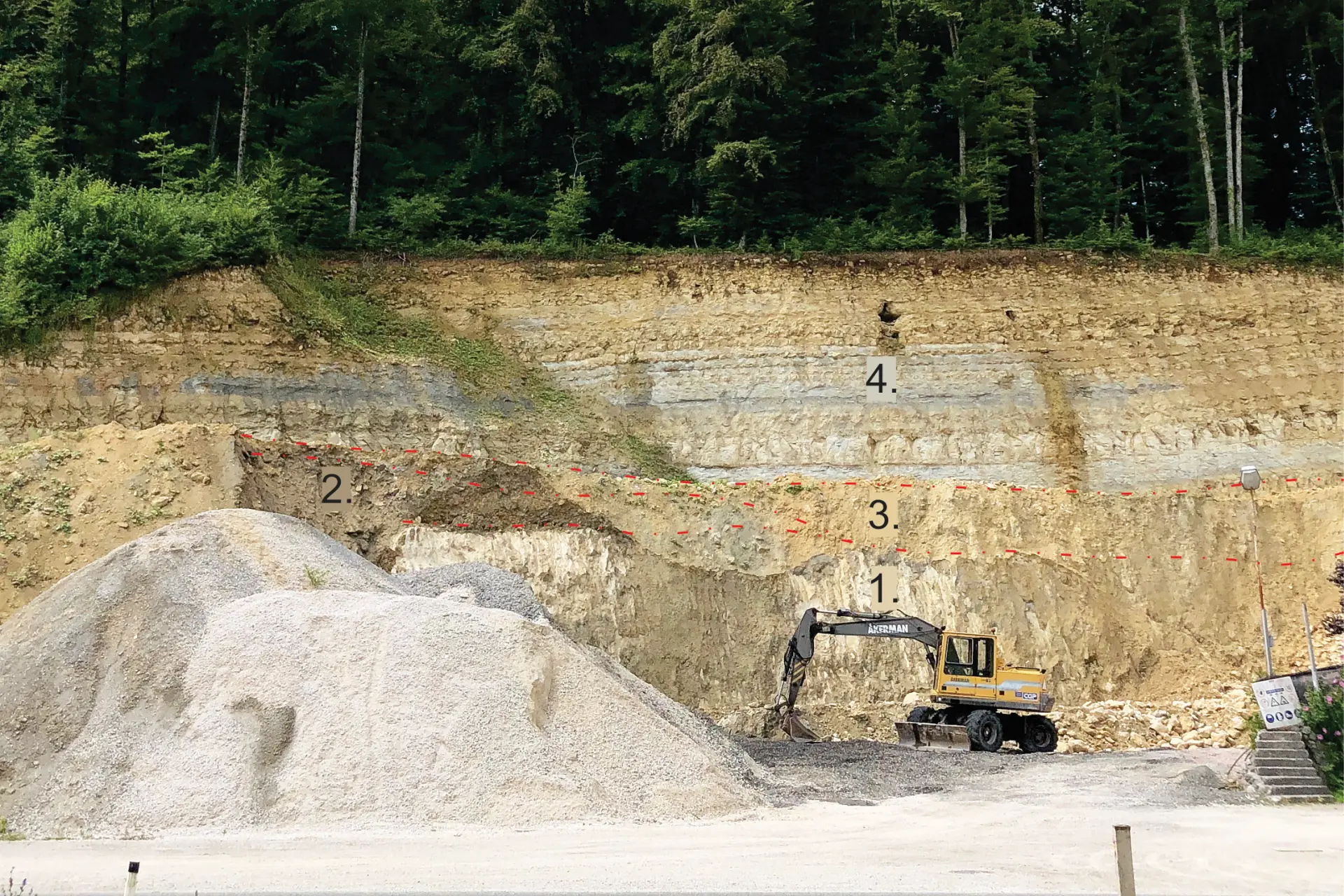
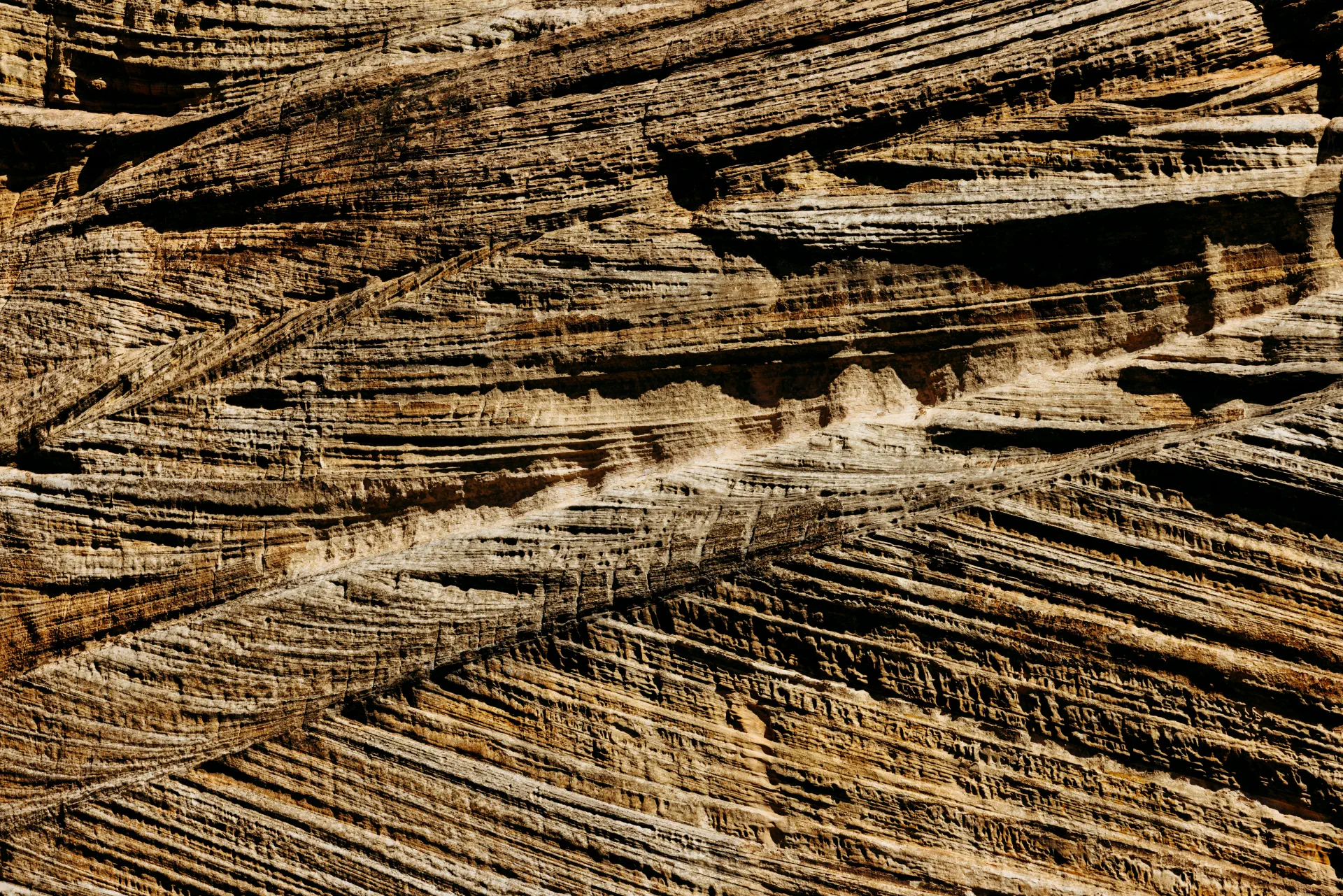
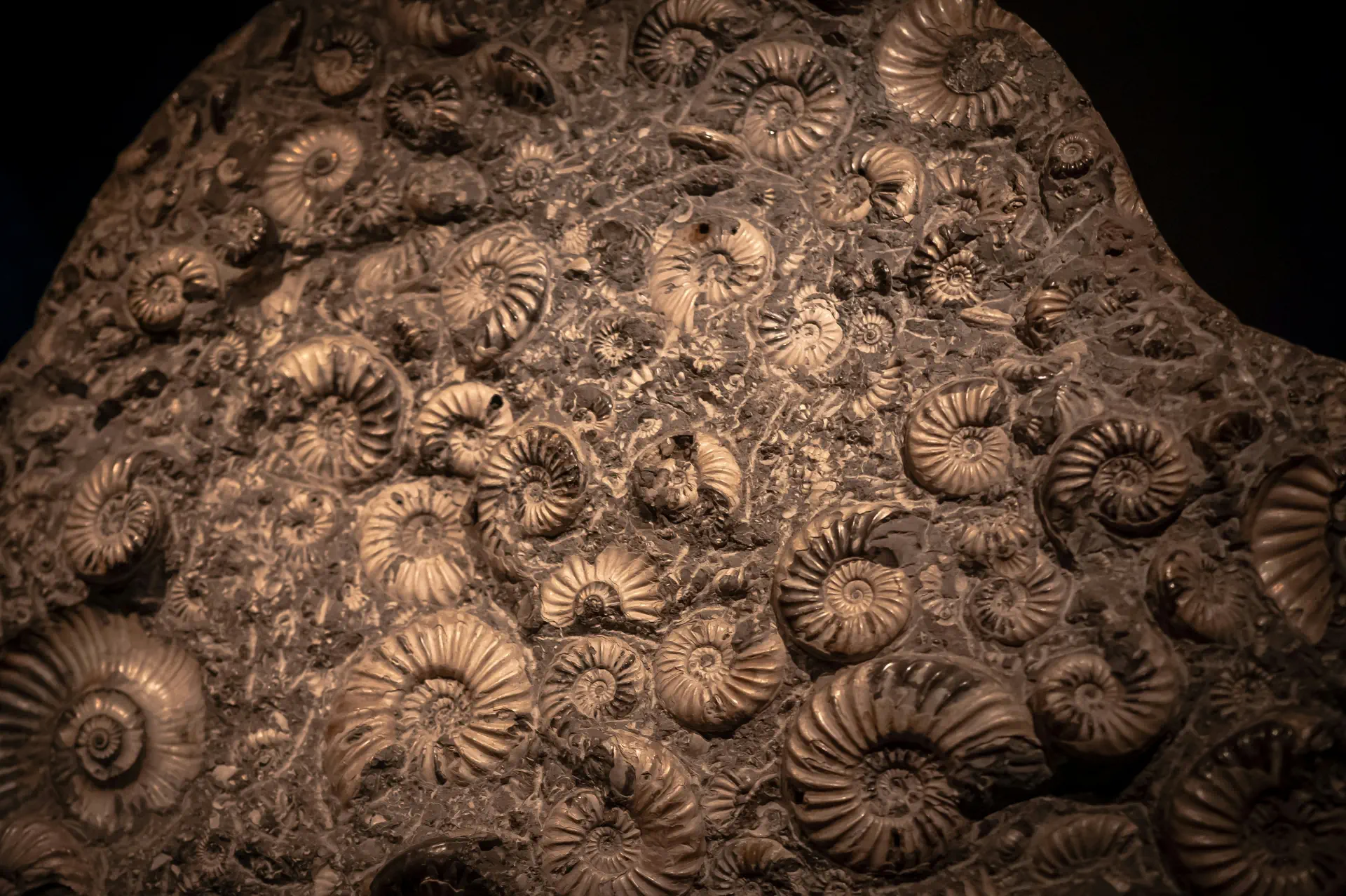
These collections include fossil specimens, comparative materials, stratigraphic archives, field documentation, and reference databases representing diverse geological periods and taxonomic groups.
Our collections support taxonomic research, evolutionary studies, paleoenvironmental reconstructions, and public outreach while preserving valuable scientific material for future generations.
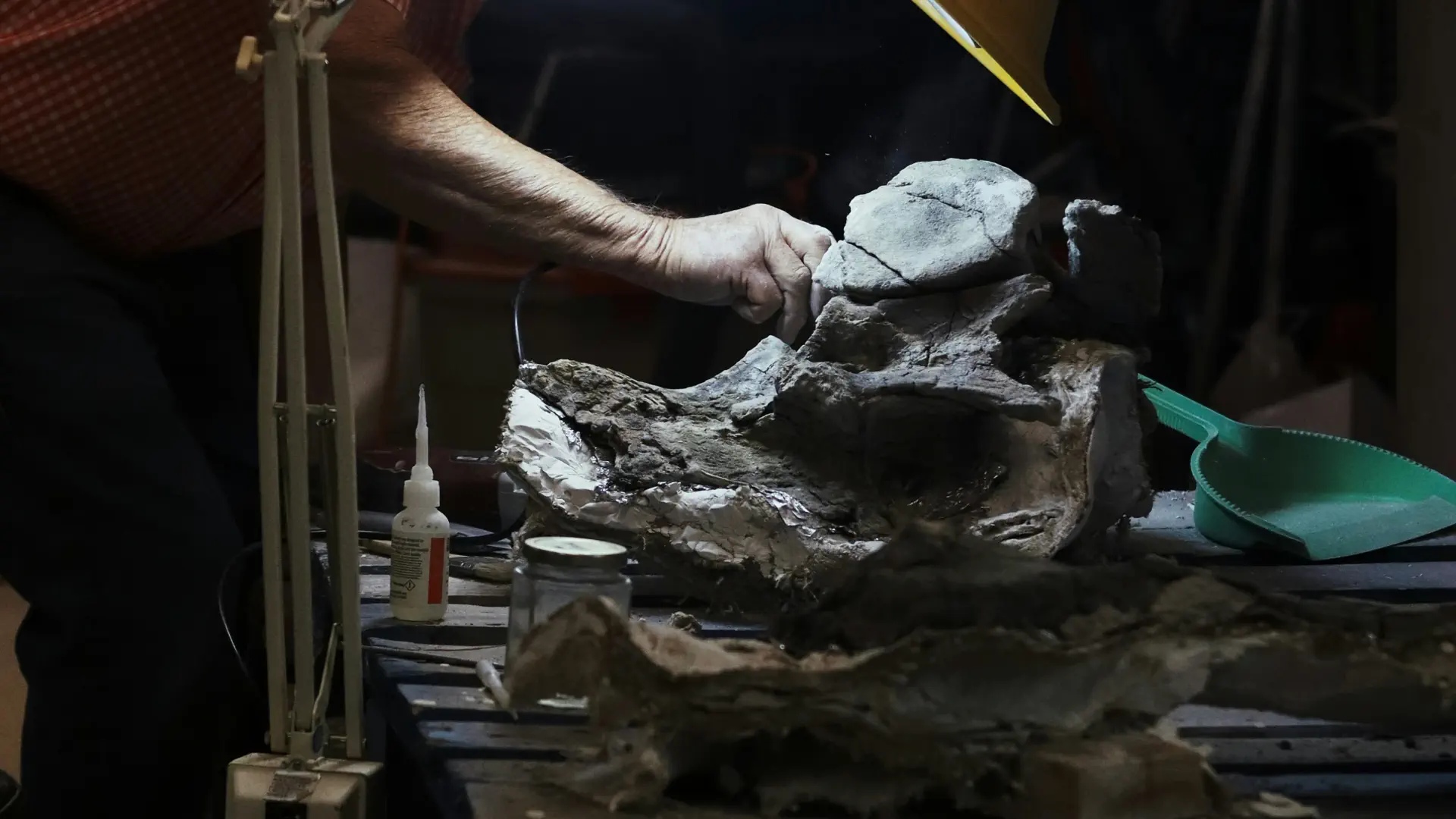
Continuous digitization, conservation, and curation efforts ensure accessibility for both researchers and the wider public.
By integrating traditional museum practices with modern digital technologies, the Institute’s collections form a cornerstone of its scientific mission and contribute to international paleobiological research networks.
Frequently Asked
Our team is a diverse group of specialists, including senior scientists, early-career researchers, doctoral candidates, and technical specialists. Their expertise spans various disciplines such as paleontology, evolutionary biology, stratigraphy, sedimentology, and paleoecology.
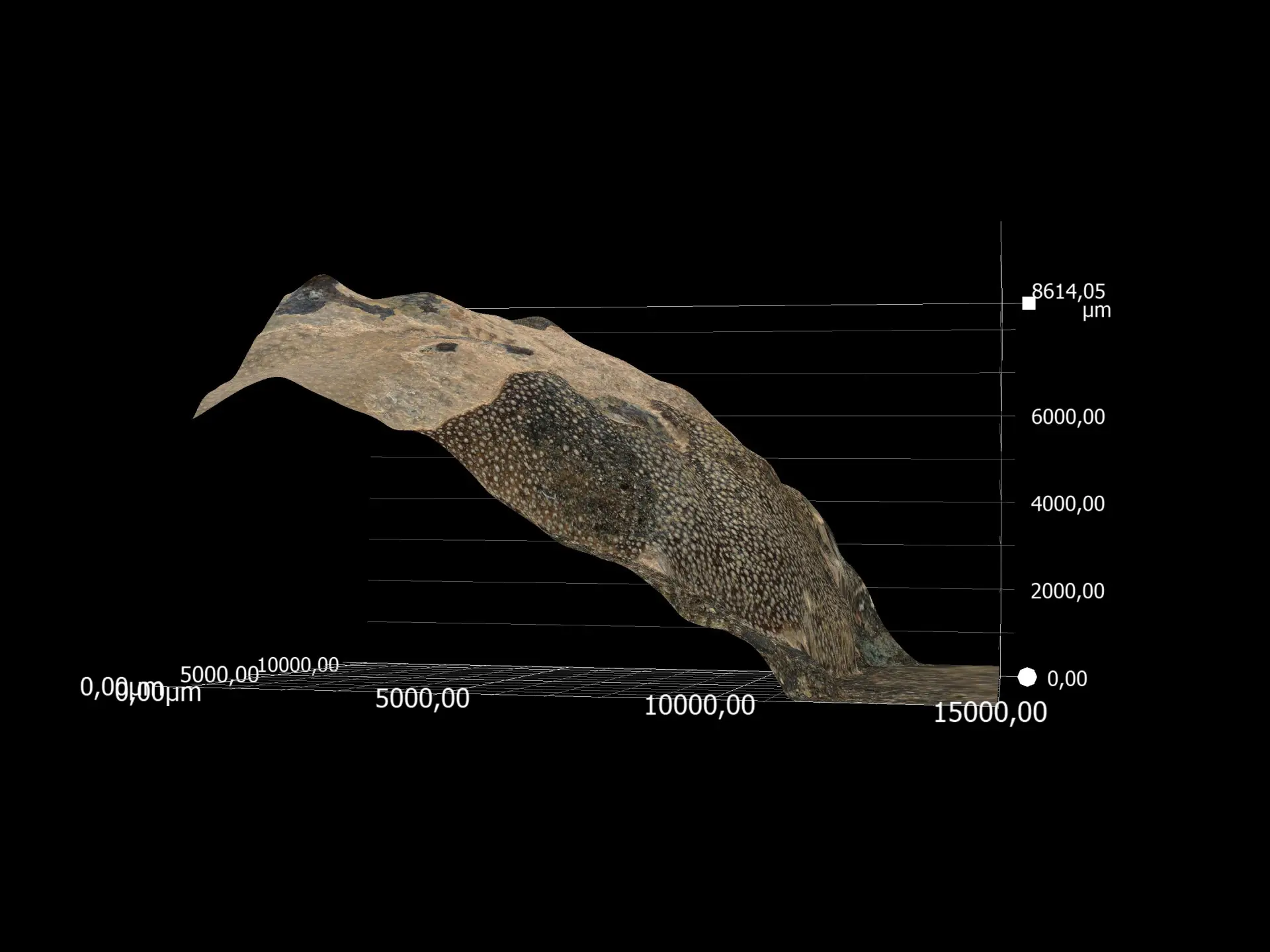
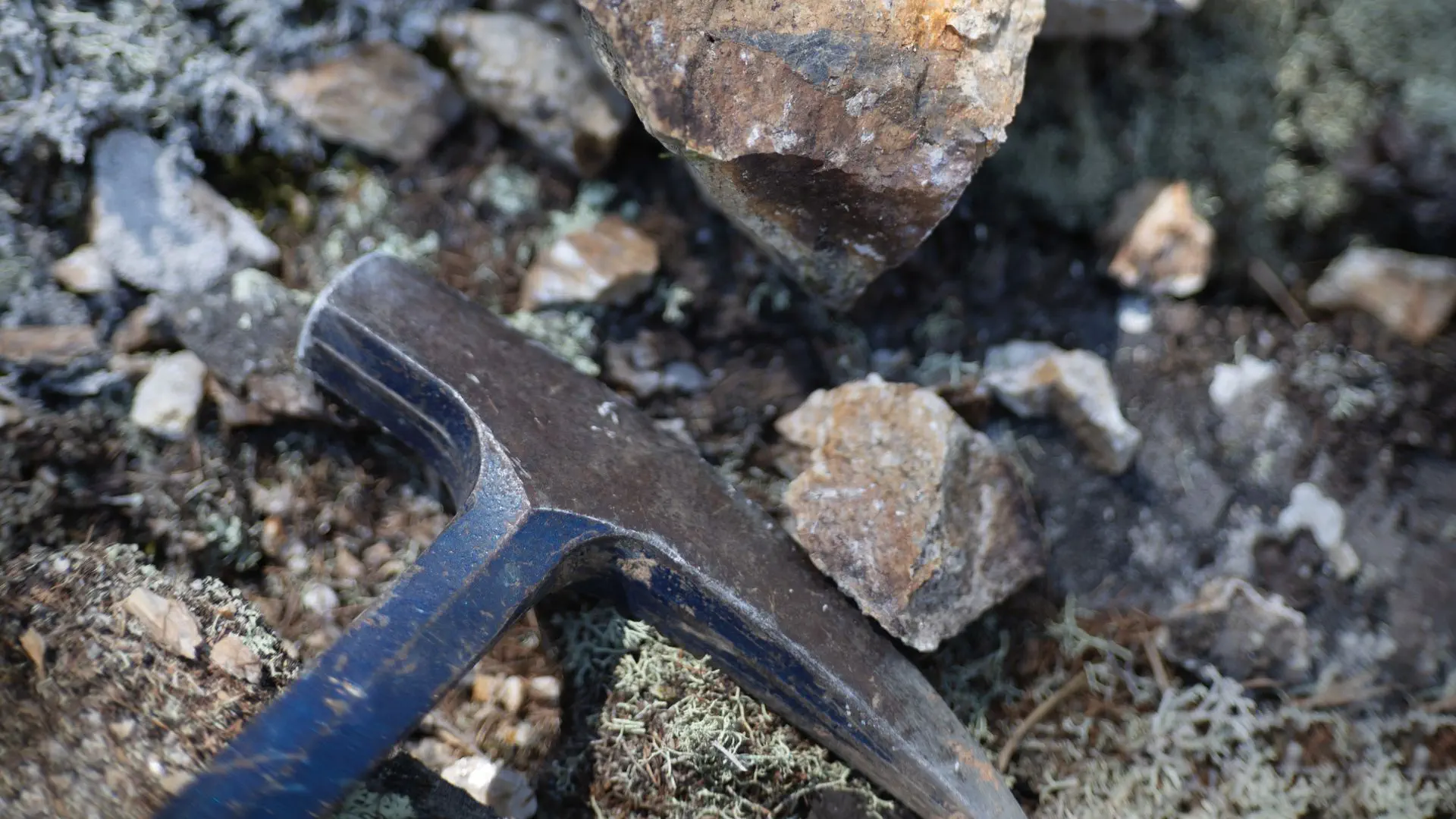
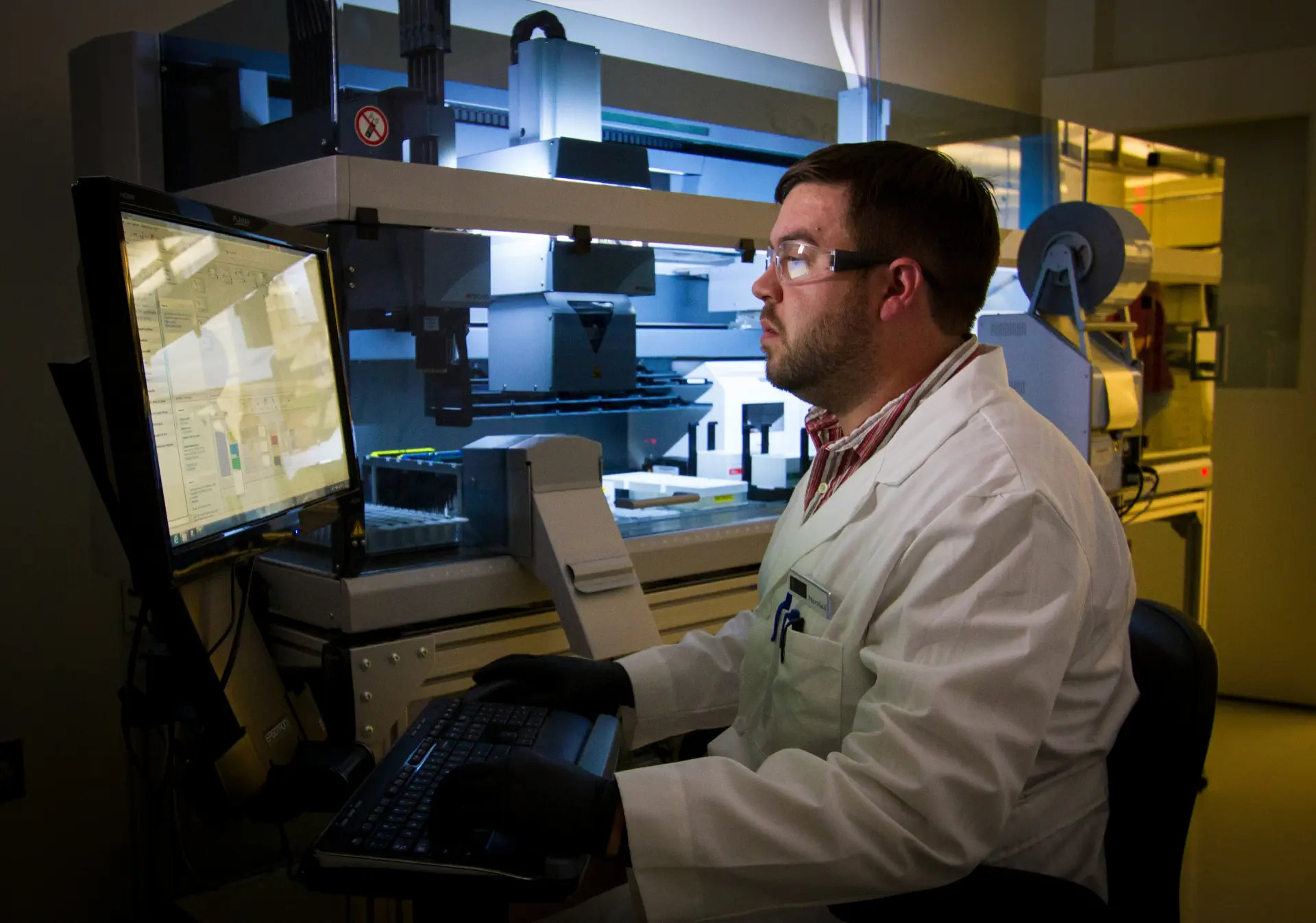
The Institute combines classical paleontological field methods with modern laboratory techniques. These include microCT imaging, geochemical analyses, digital morphometrics, isotopic geochemistry, and quantitative modeling.
The Institute investigates the history of life on Earth by studying fossils, geological records, and evolutionary processes. Our work integrates field exploration, museum collections, and advanced laboratory research to understand how ancient ecosystems changed over time and how evolution shaped today’s biodiversity.
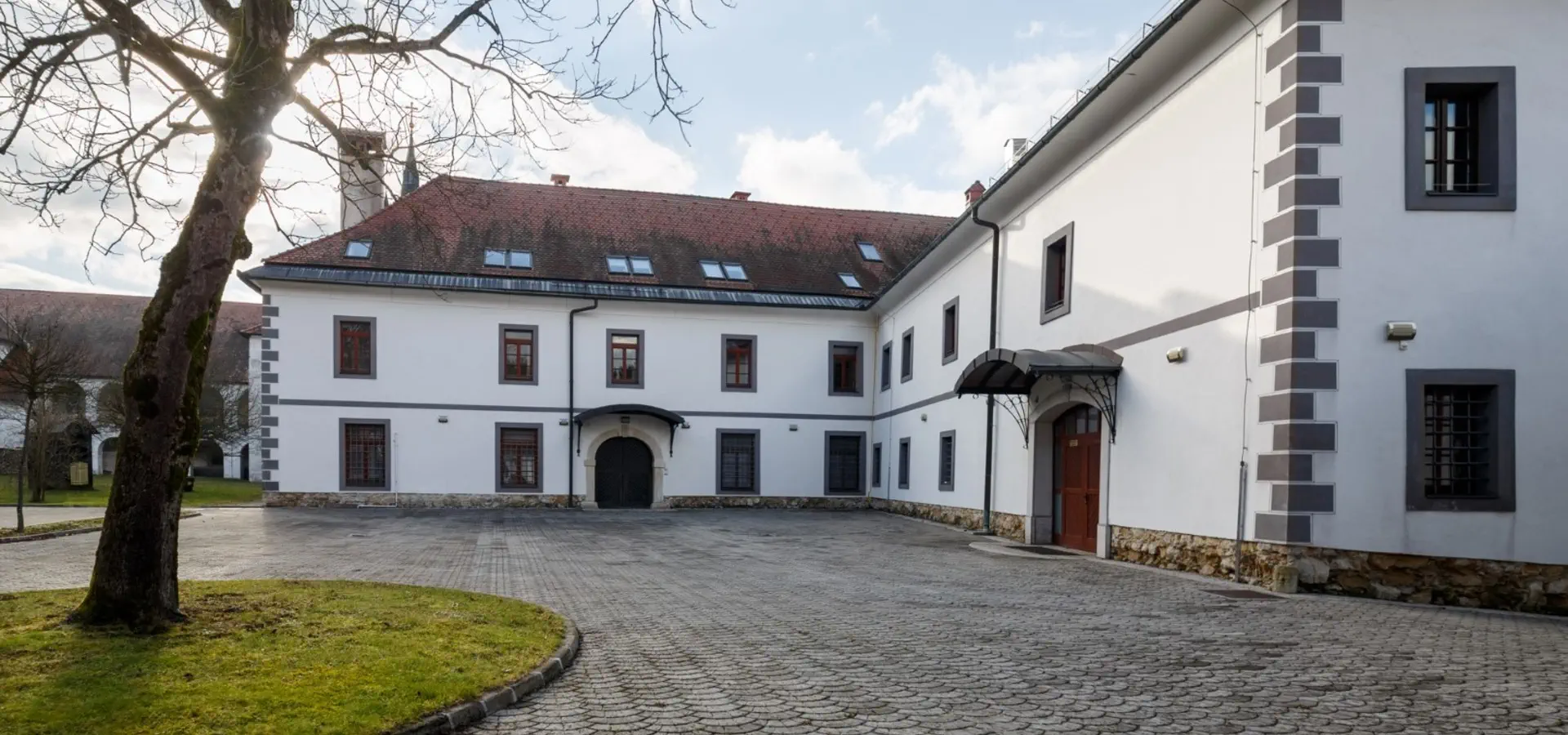
The Institute is committed to public outreach through exhibitions, public lectures, workshops, and school collaborations. A significant upcoming project is the development of the Museum of Evolution, which will be located in the historic Mekinje Monastery in Kamnik, Slovenia.
The Institute supports the dissemination of knowledge through its own scientific journal platform, which features peer-reviewed research articles, reviews, and methodological studies. Furthermore, we publish our findings under FAIR data principles to ensure science is reproducible and open.
Yes, the Institute maintains extensive paleontological and geological collections, including fossil specimens, stratigraphic archives, and reference databases. We are actively involved in the digitization, conservation, and curation of these materials to ensure they are accessible to both researchers and the general public.
