
Scientific Research & Academic Excellence
The Institute supports the advancement of paleobiological and evolutionary sciences through active participation in academic publishing and the dissemination of high-quality scientific research.
Our scientific activities encompass paleontology, stratigraphy, paleoecology, evolutionary biology, and geobiology, integrating classical field methods with modern laboratory techniques.
Our researchers investigate major evolutionary transitions, biodiversity patterns, extinction events, and environmental changes across geological timescales.
Through international collaborations and innovative methodologies—including microCT scanning, isotopic geochemistry, digital morphology, and quantitative modeling—we address fundamental questions about the development of ancient ecosystems and the processes shaping life on Earth.
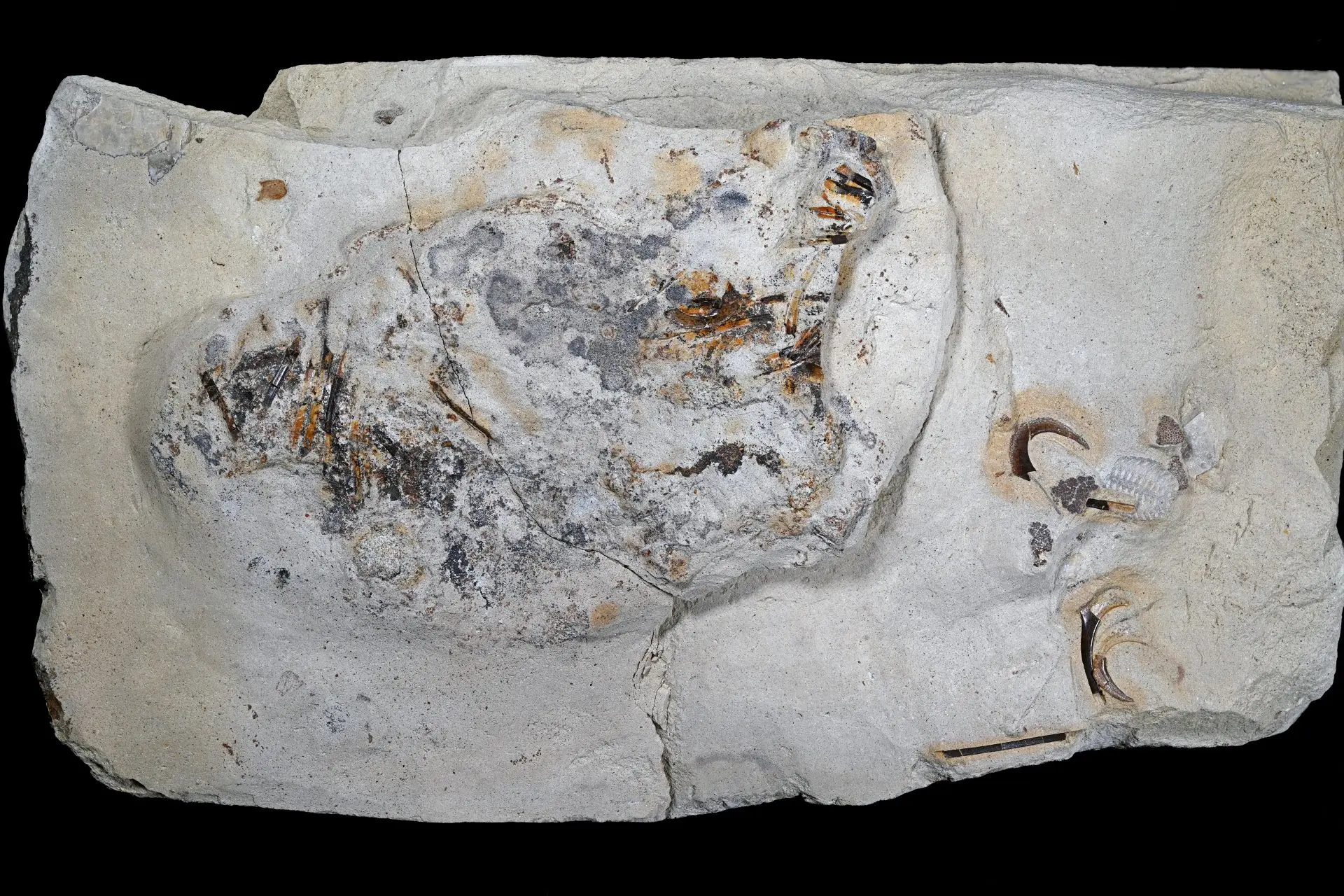
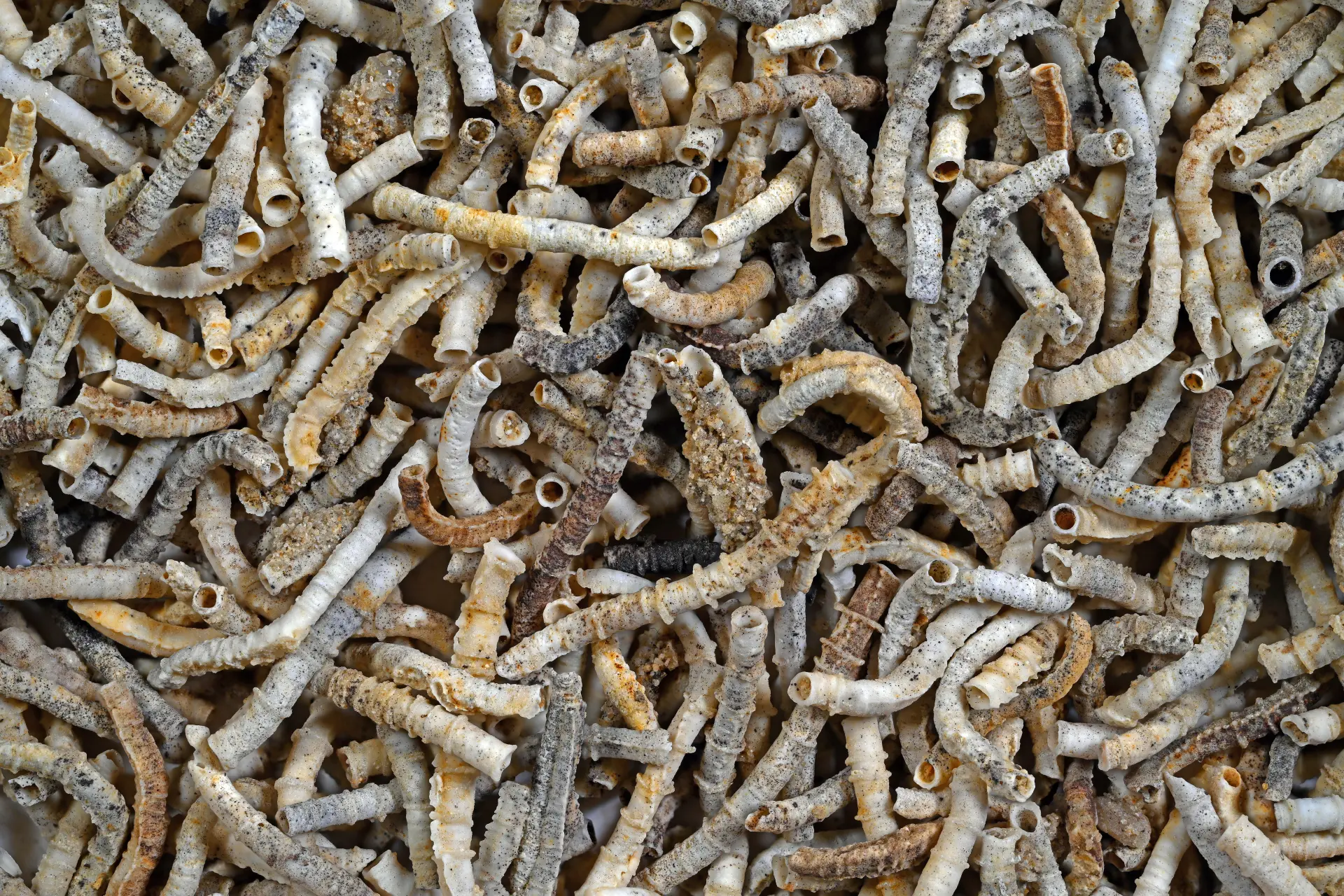
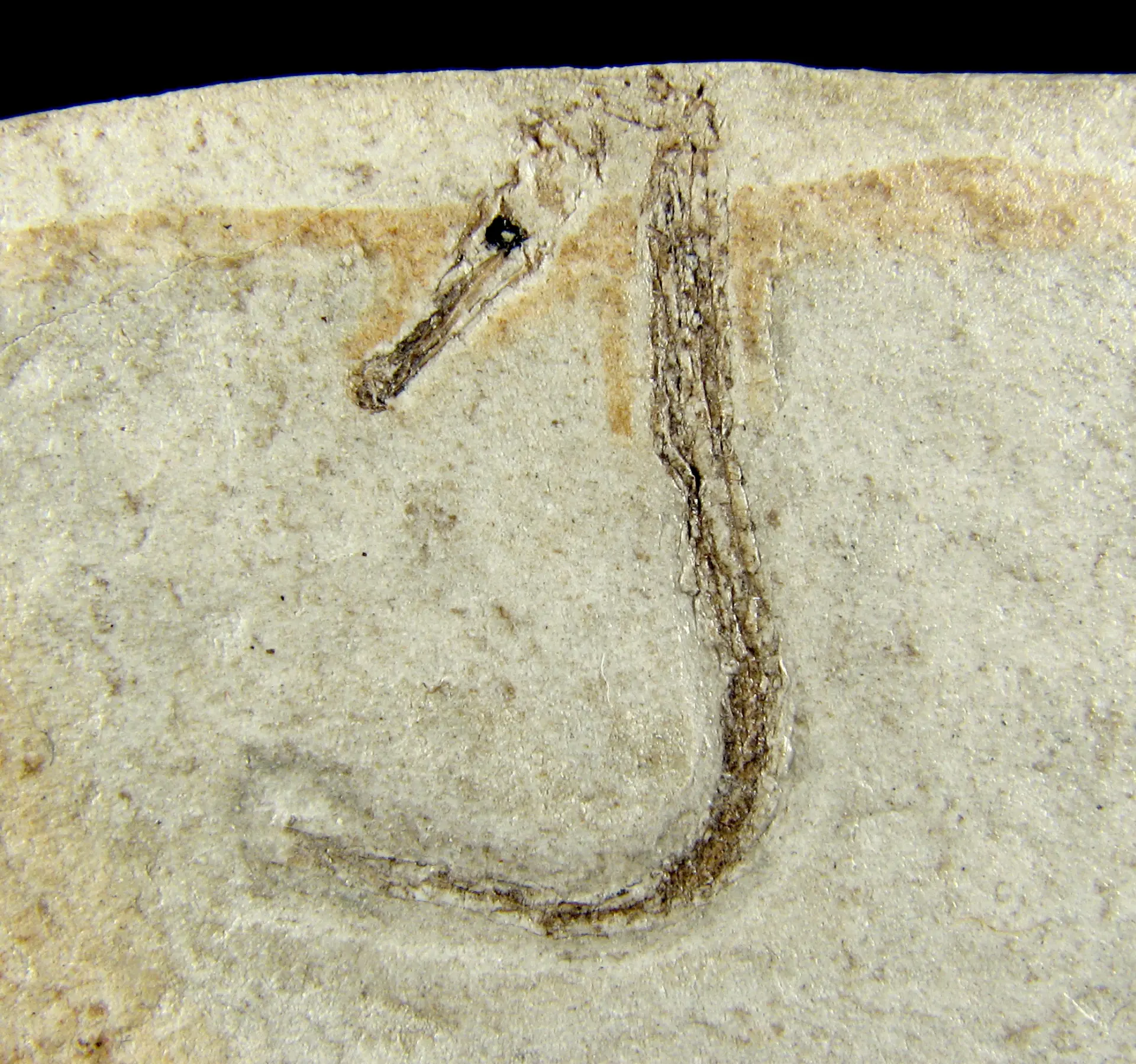
Research at the Institute is supported by extensive fossil collections, active field programs, and partnerships with academic institutions worldwide, ensuring both regional relevance and global scientific impact.
Frequently Asked
Our team is a diverse group of specialists, including senior scientists, early-career researchers, doctoral candidates, and technical specialists. Their expertise spans various disciplines such as paleontology, evolutionary biology, stratigraphy, sedimentology, and paleoecology.
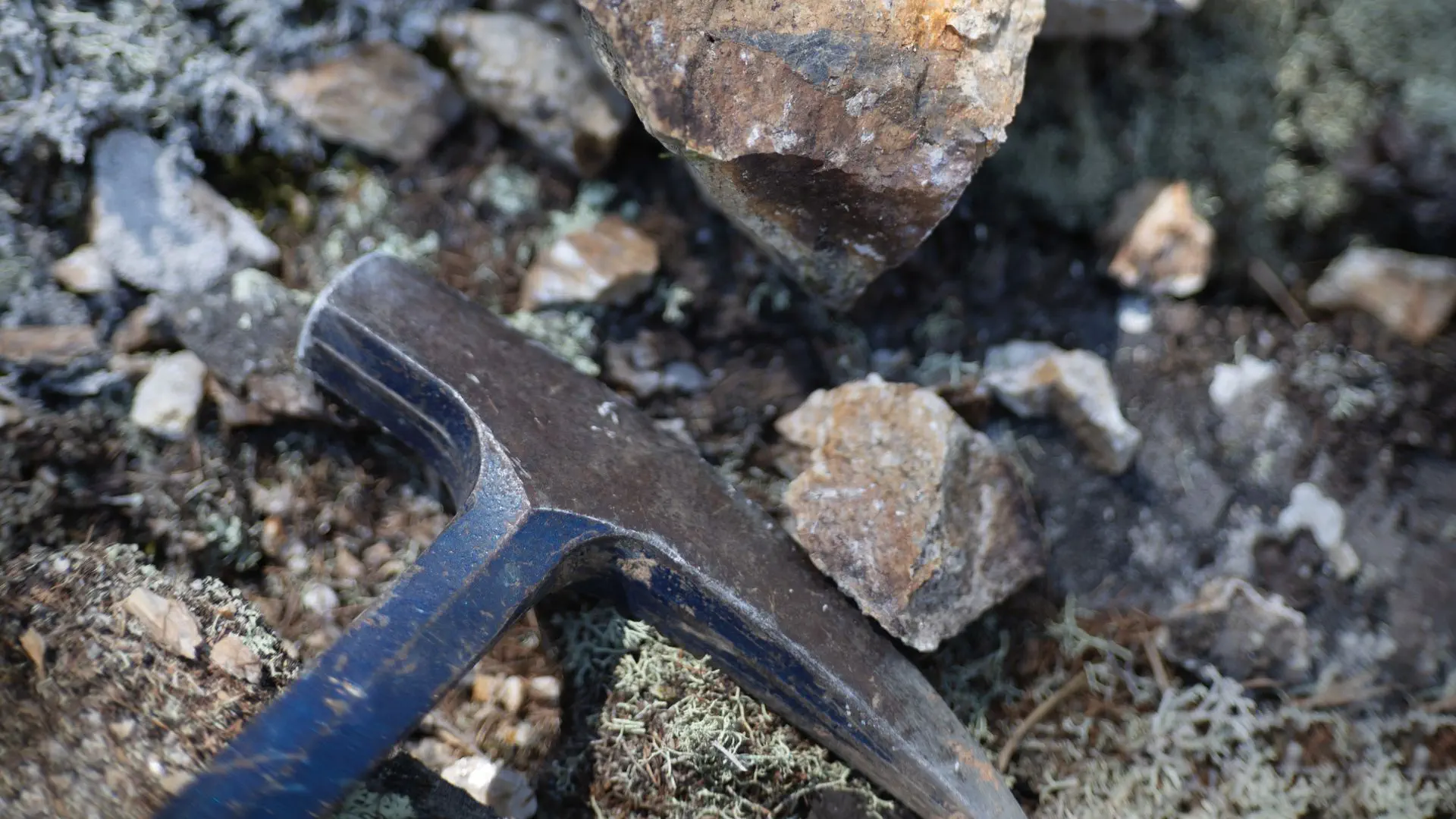
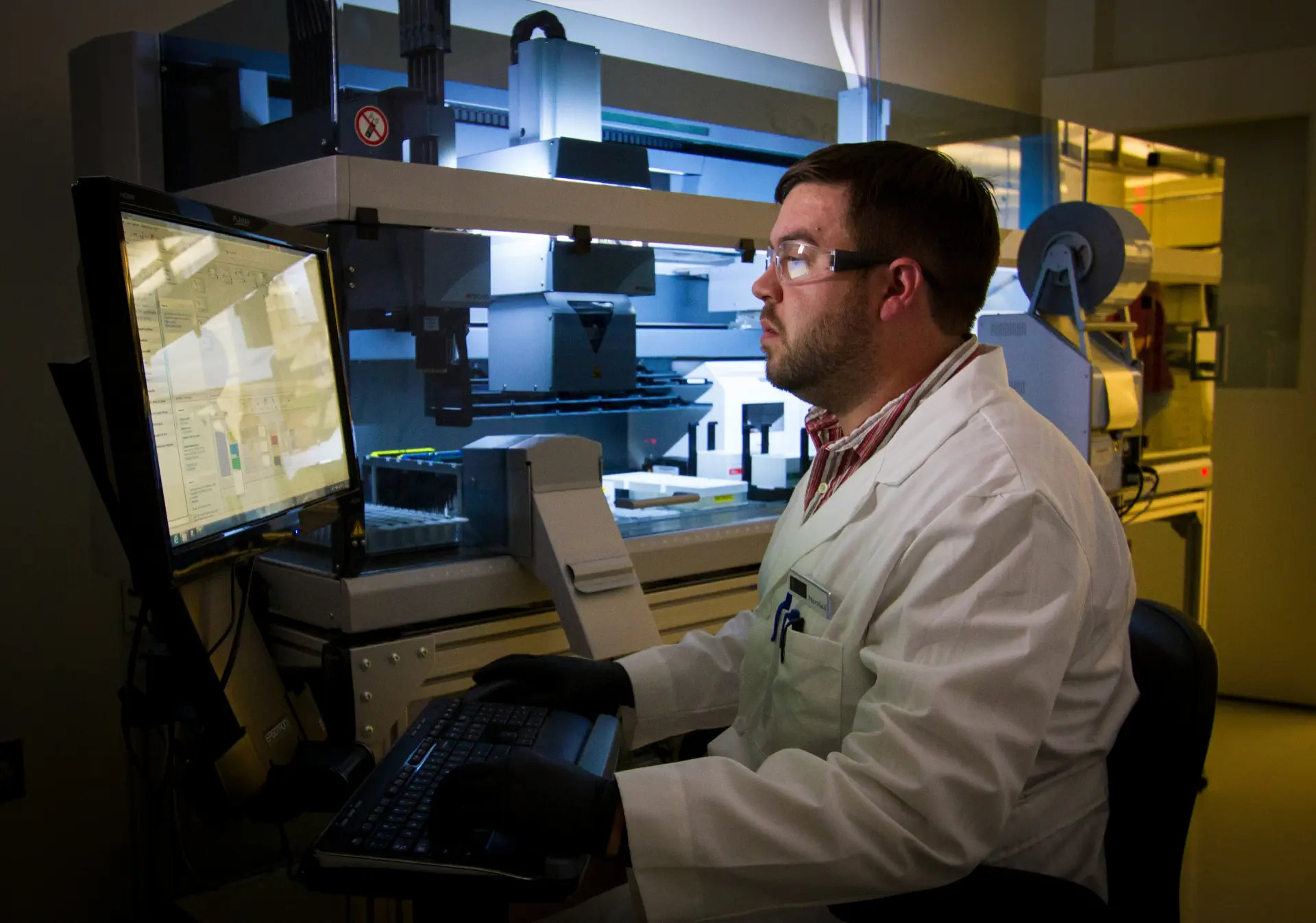
The Institute combines classical paleontological field methods with modern laboratory techniques. These include microCT imaging, geochemical analyses, digital morphometrics, isotopic geochemistry, and quantitative modeling.
The Institute investigates the history of life on Earth by studying fossils, geological records, and evolutionary processes. Our work integrates field exploration, museum collections, and advanced laboratory research to understand how ancient ecosystems changed over time and how evolution shaped today’s biodiversity.
The Institute is committed to public outreach through exhibitions, public lectures, workshops, and school collaborations. A significant upcoming project is the development of the Museum of Evolution, which will be located in the historic Mekinje Monastery in Kamnik, Slovenia.
The Institute supports the dissemination of knowledge through its own scientific journal platform, which features peer-reviewed research articles, reviews, and methodological studies. Furthermore, we publish our findings under FAIR data principles to ensure science is reproducible and open.
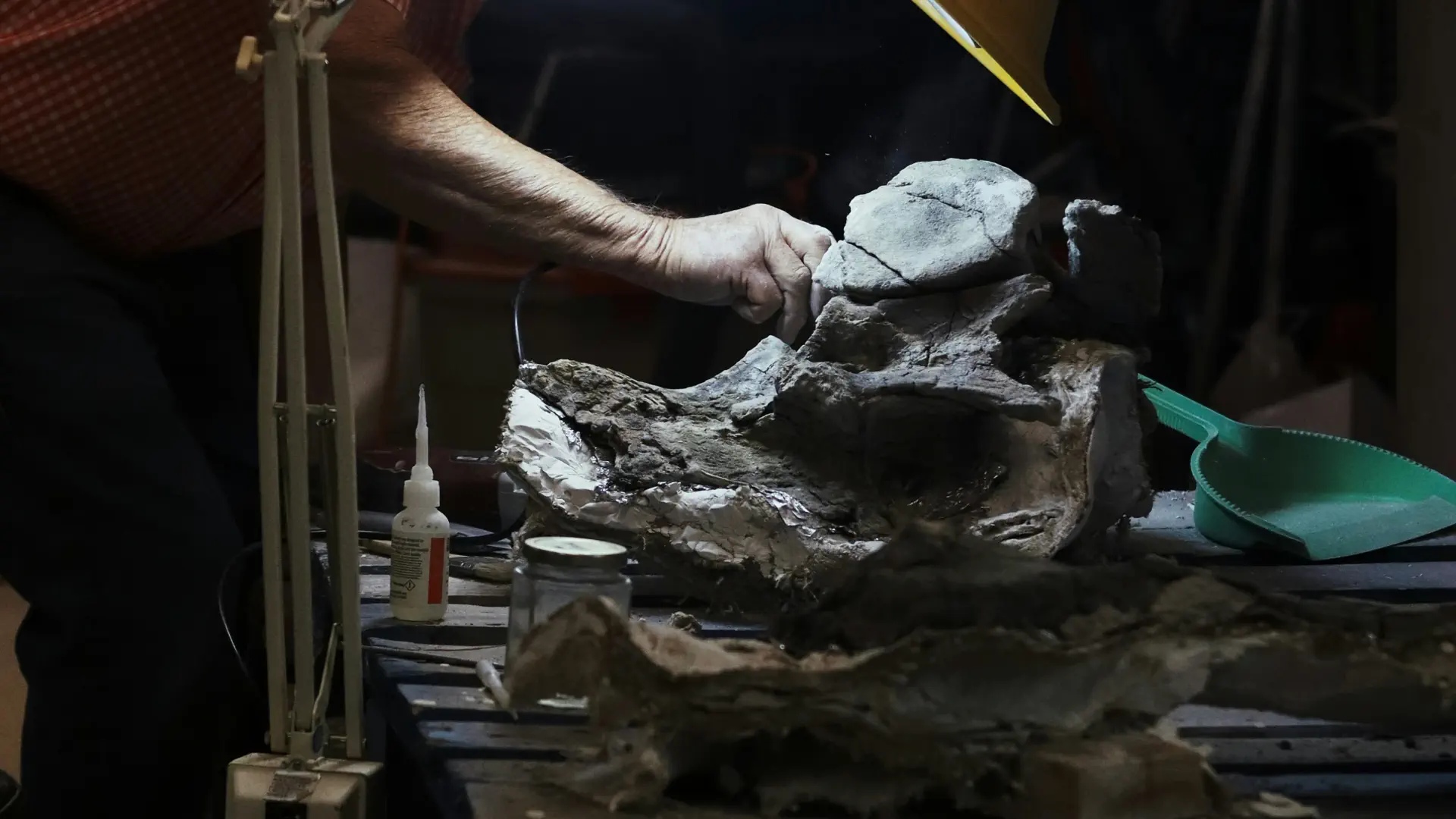
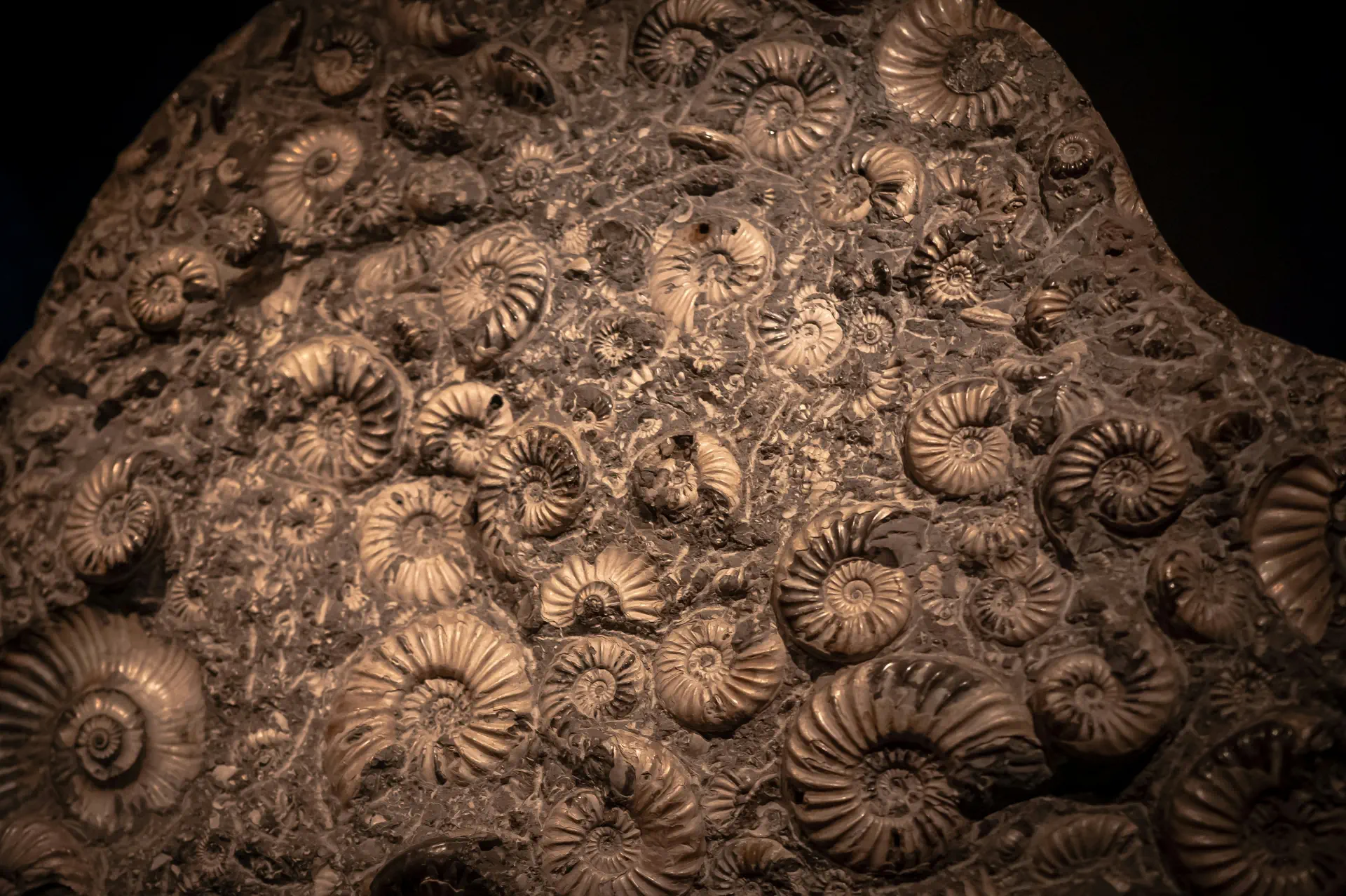
Yes, the Institute maintains extensive paleontological and geological collections, including fossil specimens, stratigraphic archives, and reference databases. We are actively involved in the digitization, conservation, and curation of these materials to ensure they are accessible to both researchers and the general public.
