
HERO IMAGE
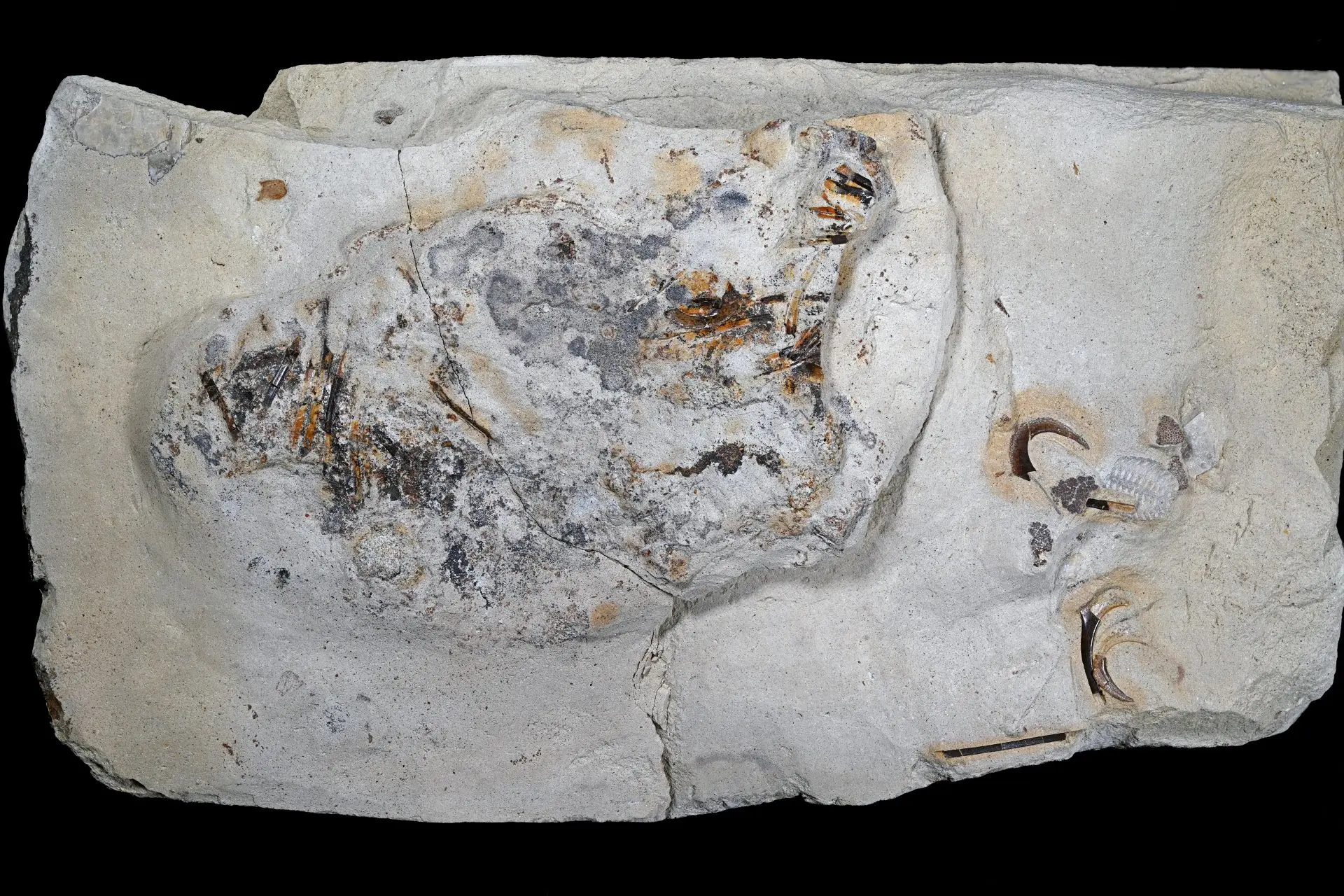
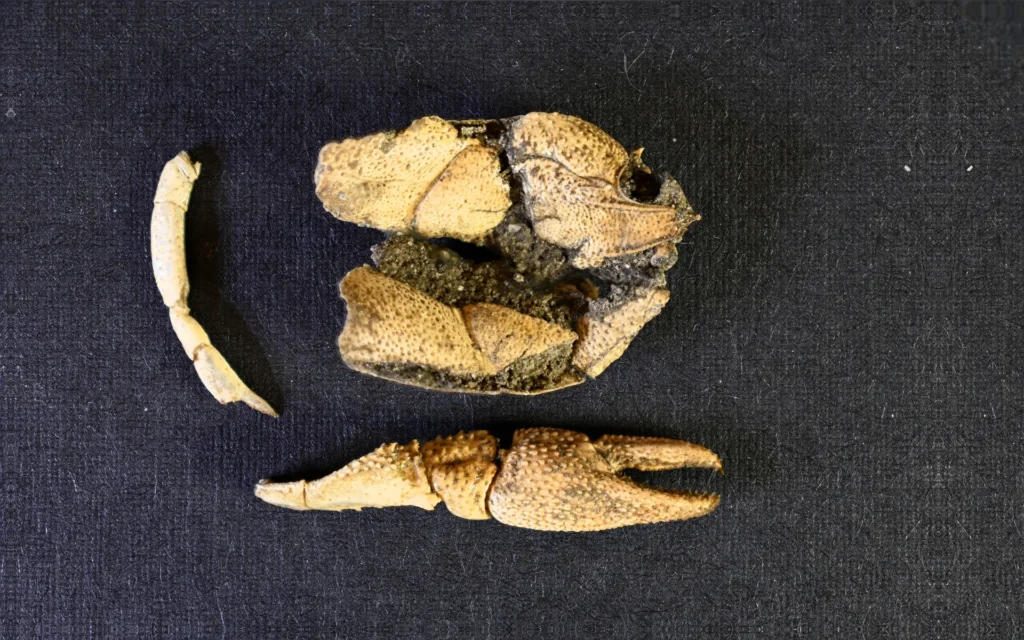
Photograph of the holotype specimen of Austropotamobius slovenicus,
HIGHLIGHTS
A new fossil crayfish discovered in Slovenia represents one of the youngest fossil species of the native European crayfish genus Austropotamobius. The discovery provides a rare glimpse into the evolutionary history of freshwater crayfishes shortly before the Mediterranean Salinity Crisis dramatically reshaped European freshwater ecosystems.
overview
Freshwater crayfishes are among Europe’s most iconic freshwater animals, yet their fossil record is surprisingly sparse. Because they inhabit rivers and lakes where fossilisation is uncommon, every well-preserved specimen provides valuable information about the evolution of these ecologically important crustaceans.
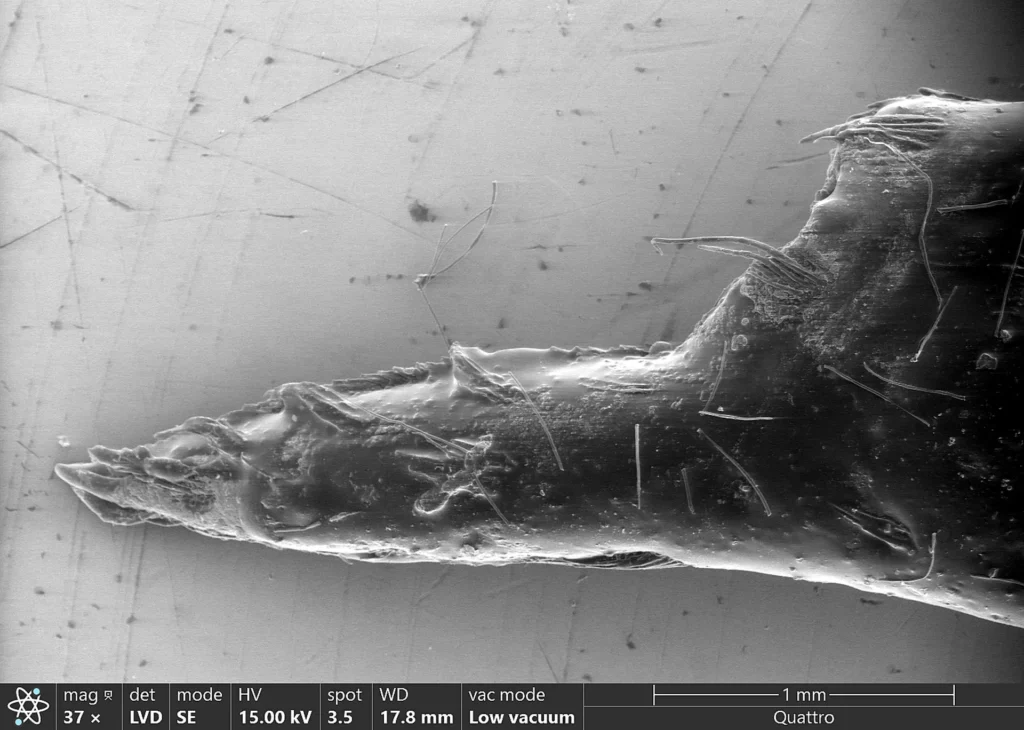
Fossils recovered from Late Miocene deposits in Slovenia have revealed a previously unknown species, Austropotamobius slovenicus. The new species lived approximately six million years ago during the Messinian, just before the Mediterranean Salinity Crisis transformed river systems across southern Europe. Its anatomy displays many features shared with living members of the genus while preserving distinctive characteristics that justify its recognition as a separate extinct species.
Beyond describing a new species, the study helps clarify the evolutionary history of European crayfishes. Comparison with fossil and living representatives suggests that the genus Austropotamobius had already diversified by the Late Miocene and was well established across southern Europe before major climatic and geological changes altered freshwater habitats. The Slovenian fossil therefore fills an important gap in the evolutionary record of one of Europe’s best-known freshwater crustacean lineages.
REFERENCE
Gašparič, R., Audo, D., Kawai, T., Kolar-Jurkovšek, T., Jurkovšek, B. & Marinšek, M. 2023: A new species of Austropotamobius Skorikov, 1907 (Decapoda: Astacidae) from the late Miocene (Messinian) of Slovenia, with remarks on the evolution of European crayfishes. Journal of Crustacean Biology, 43, 1-11.
Read the publication on ResearchGate.