
HERO IMAGE
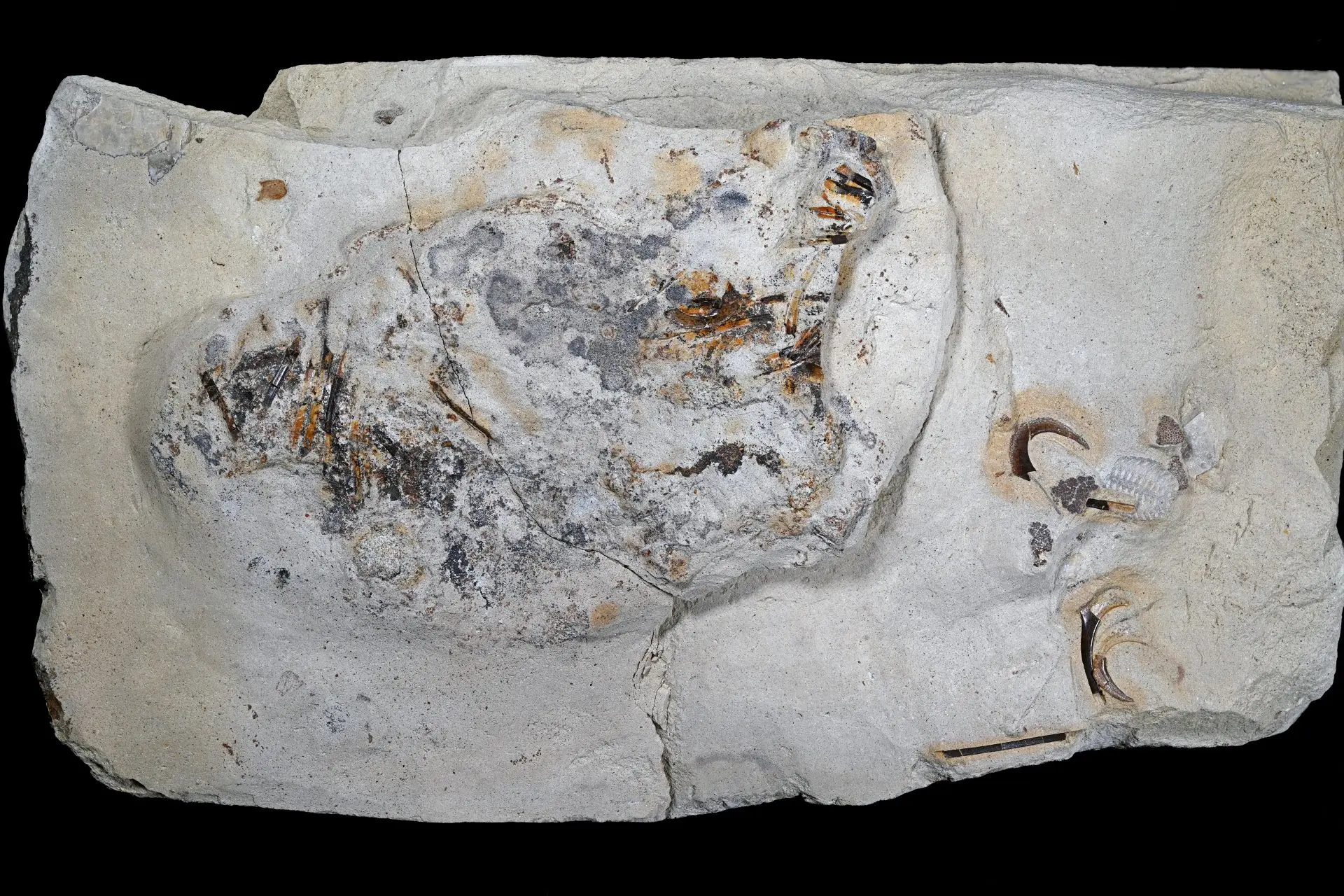
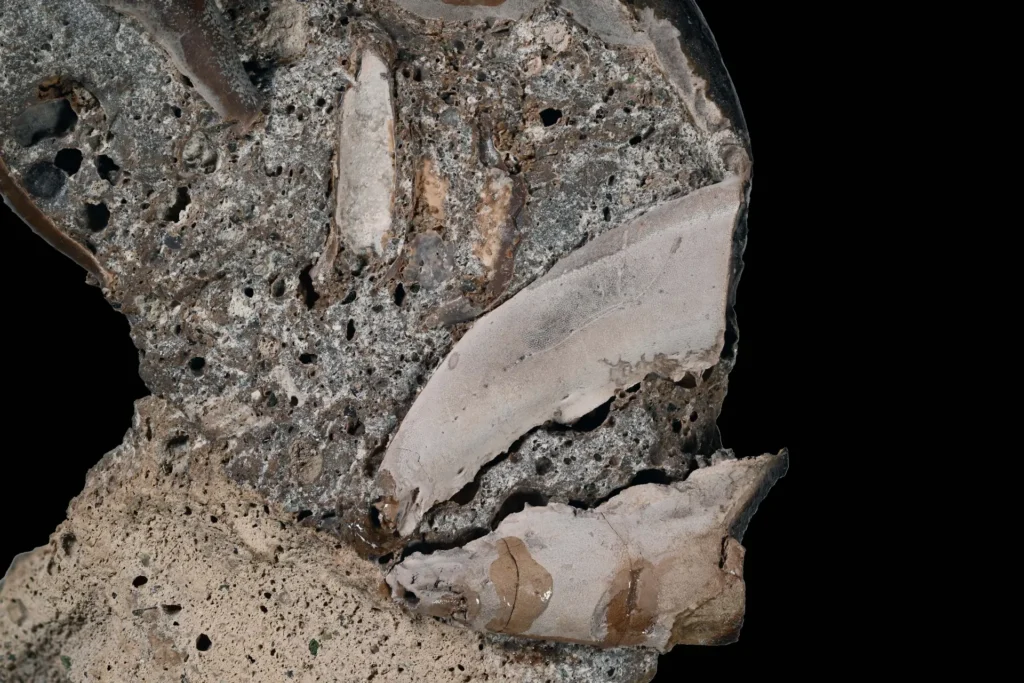
Photograph of the newly described bivalve assemblage preserved within the manganese ore and crab.
HIGHLIGHTS
Fossils preserved inside Ukraine’s famous Nikopol manganese deposits reveal a diverse marine ecosystem that flourished about 30 million years ago. Newly discovered molluscs improve our understanding of one of Europe’s most economically important geological formations.
overview
The Nikopol manganese-ore Basin in southern Ukraine is renowned as one of the world’s largest manganese deposits, yet its fossil record has remained surprisingly poorly documented. While the ore has been mined for more than a century, many of the organisms that inhabited the shallow sea in which it formed were still unknown.
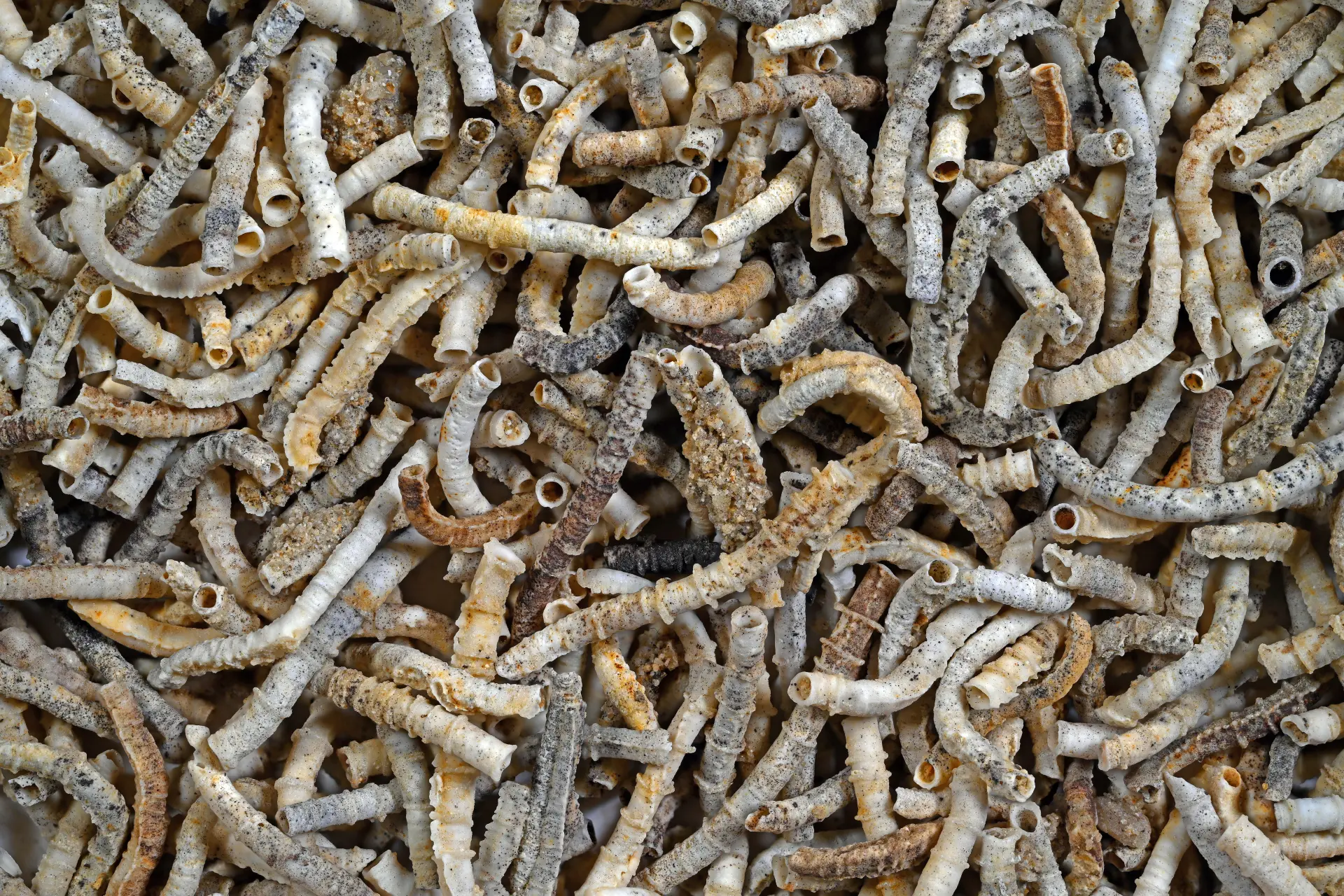
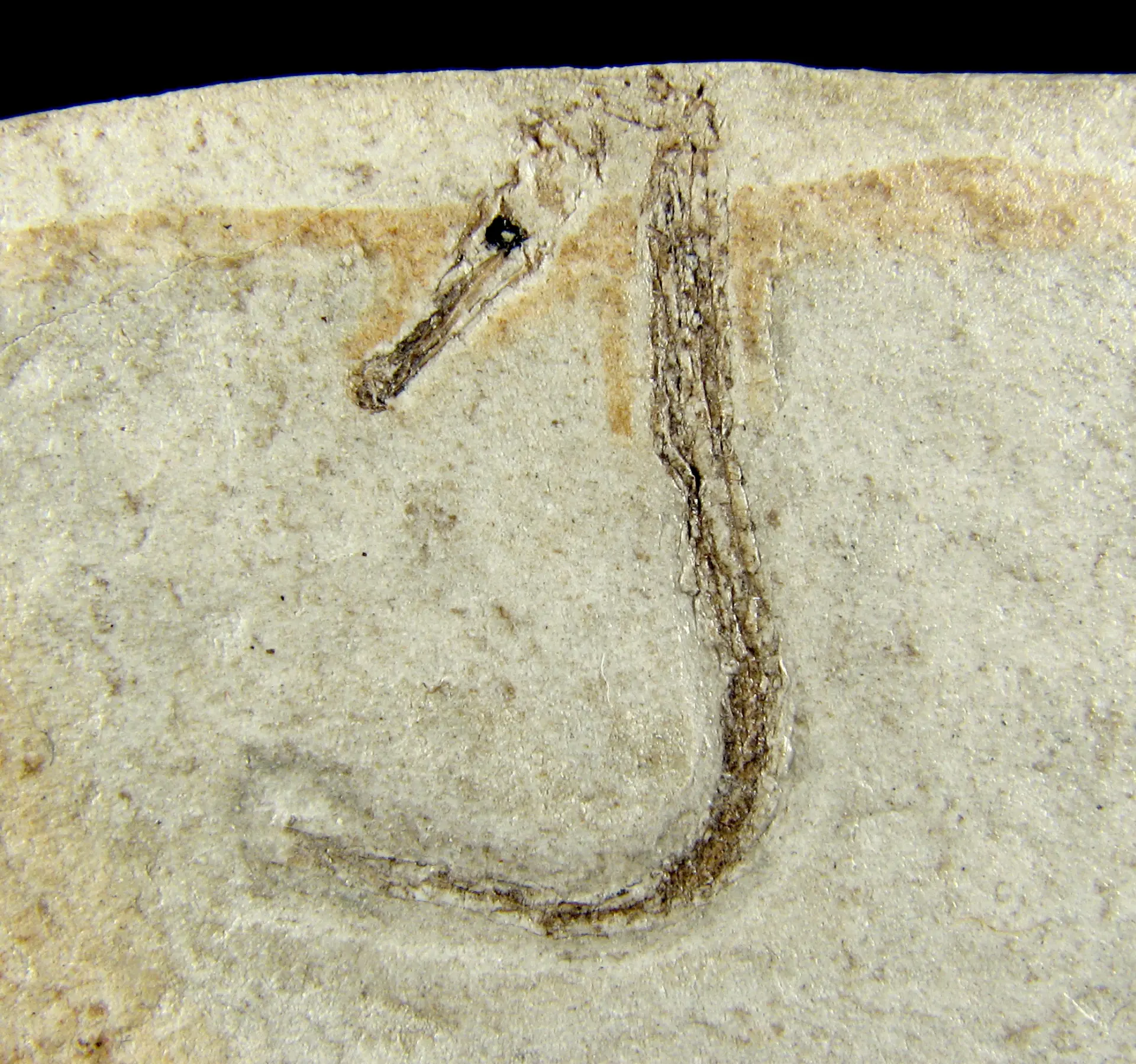
Our study describes new fossil invertebrates recovered from the Pokrov deposit, including previously undocumented bivalves preserved as external and internal moulds within the manganese ore. These discoveries expand the known biodiversity of the Eastern Paratethys during the Early Oligocene and provide valuable evidence for reconstructing the environments in which these economically important sediments accumulated.
Beyond taxonomy, the fossils help reconstruct an ancient coastal sea that once covered much of present-day Ukraine. Molluscs are particularly sensitive indicators of environmental conditions, allowing researchers to better understand water depth, substrate, salinity and ecological changes during the formation of the Nikopol Basin. The study demonstrates how even deposits best known for their economic value can preserve a rich record of ancient life, highlighting the close relationship between geology, palaeontology and Earth’s environmental history.
REFERENCE
Berezovsky, A.A., Gašparič, R. & Kovalchuk O. 2025: New data on Early Oligocene invertebrates from the Nikopol manganese-ore Basin in Ukraine. Neues Jahrbuch für Geologie und Paläontologie – Abhandlungen, 316(1), 23-39.
Read the publication on ResearchGate.