
HERO IMAGE
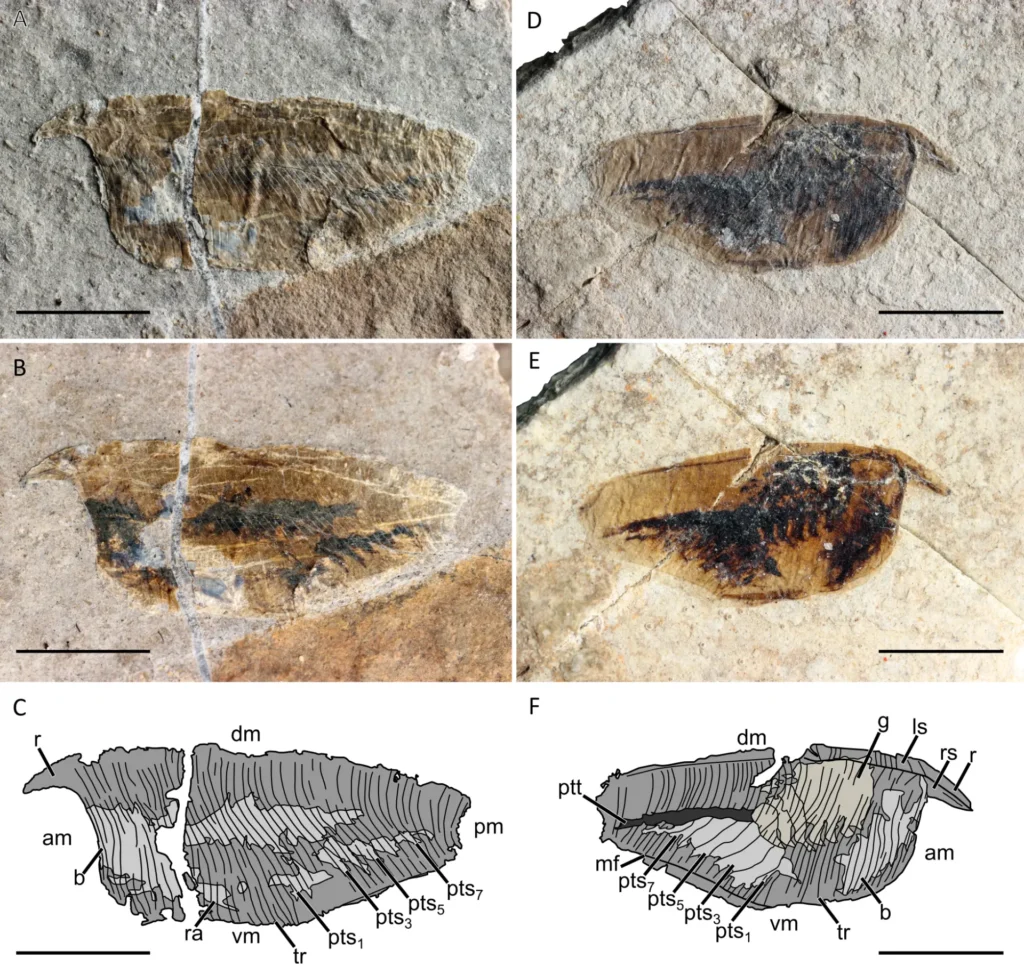
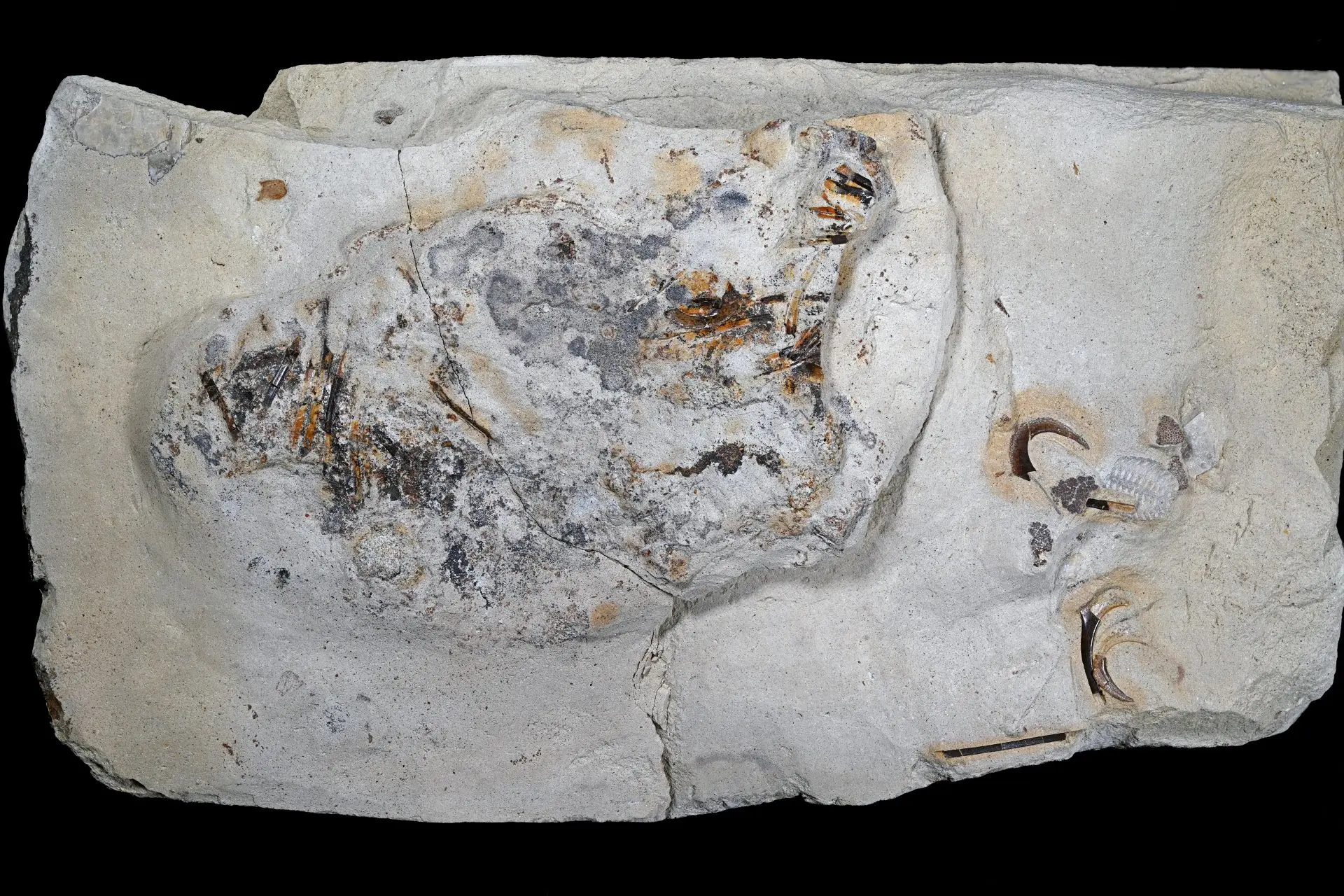
Photograph of the best-preserved thylacocephalan specimen, accompanied by a reconstruction of the living animal highlighting its large compound eyes and shield-like carapace.
HIGHLIGHTS
New fossils from Slovenia reveal that thylacocephalans—one of the most enigmatic groups of extinct marine arthropods—were more diverse in the Triassic than previously recognised. The study documents new species and provides fresh insights into the evolutionary radiation of these unusual predators following the end-Permian mass extinction.
overview
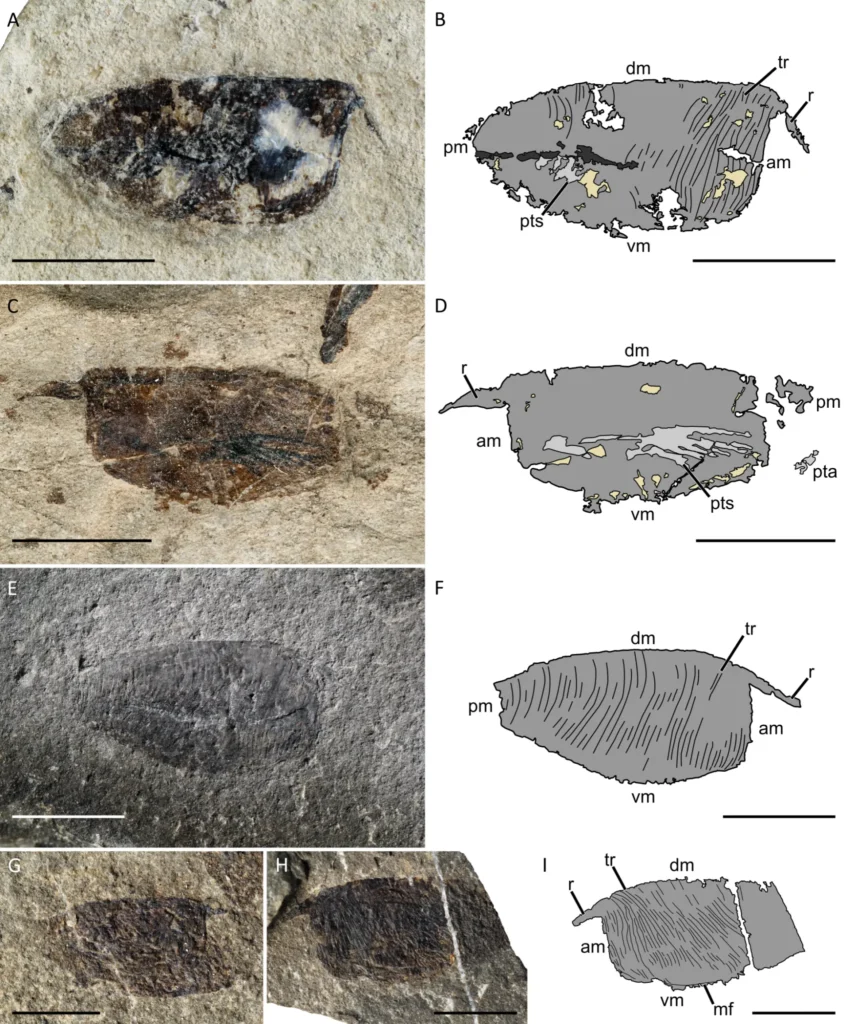
Thylacocephalans are among the most mysterious arthropods in the fossil record. Characterised by a large bivalved carapace, enormous compound eyes and powerful raptorial appendages, they were active predators that inhabited ancient seas for more than 250 million years. Despite their distinctive appearance, their evolutionary relationships remain uncertain, making every new discovery especially valuable.
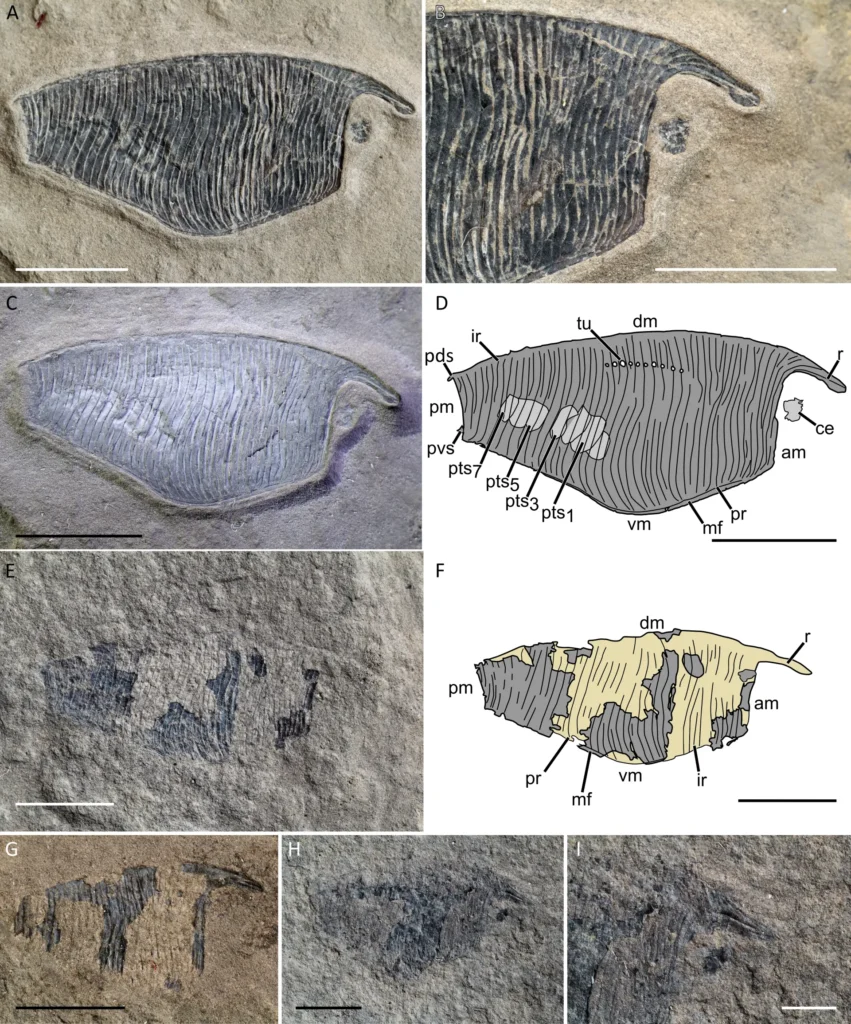
New material from Middle and Upper Triassic deposits of Slovenia has considerably expanded the known diversity of this remarkable group. Several exceptionally preserved specimens document previously unknown species and extend the geographical distribution of Triassic thylacocephalans within the western Tethys Ocean. Their preservation provides important anatomical details that improve our understanding of their morphology, taxonomy and ecological adaptations.
The Slovenian fossils also shed light on the rapid diversification of marine ecosystems during the Triassic. Following Earth’s largest mass extinction at the end of the Permian, marine predators underwent a major evolutionary radiation. The newly described thylacocephalans demonstrate that these specialised visual predators had already become important components of recovering marine communities, highlighting Slovenia as one of the key regions for studying Triassic marine biodiversity and arthropod evolution.
REFERENCE
Laville, T., Hitij, T., Forel, M.B., Gašparič, R., Žalohar, J. & Charbonnier, S. 2024: Middle and Late Triassic thylacocephalans from Slovenia: implications for their diversification. Bulletin of Geosciences, 99 (3), 219-253.
Read the publication on ResearchGate.