
HERO IMAGE
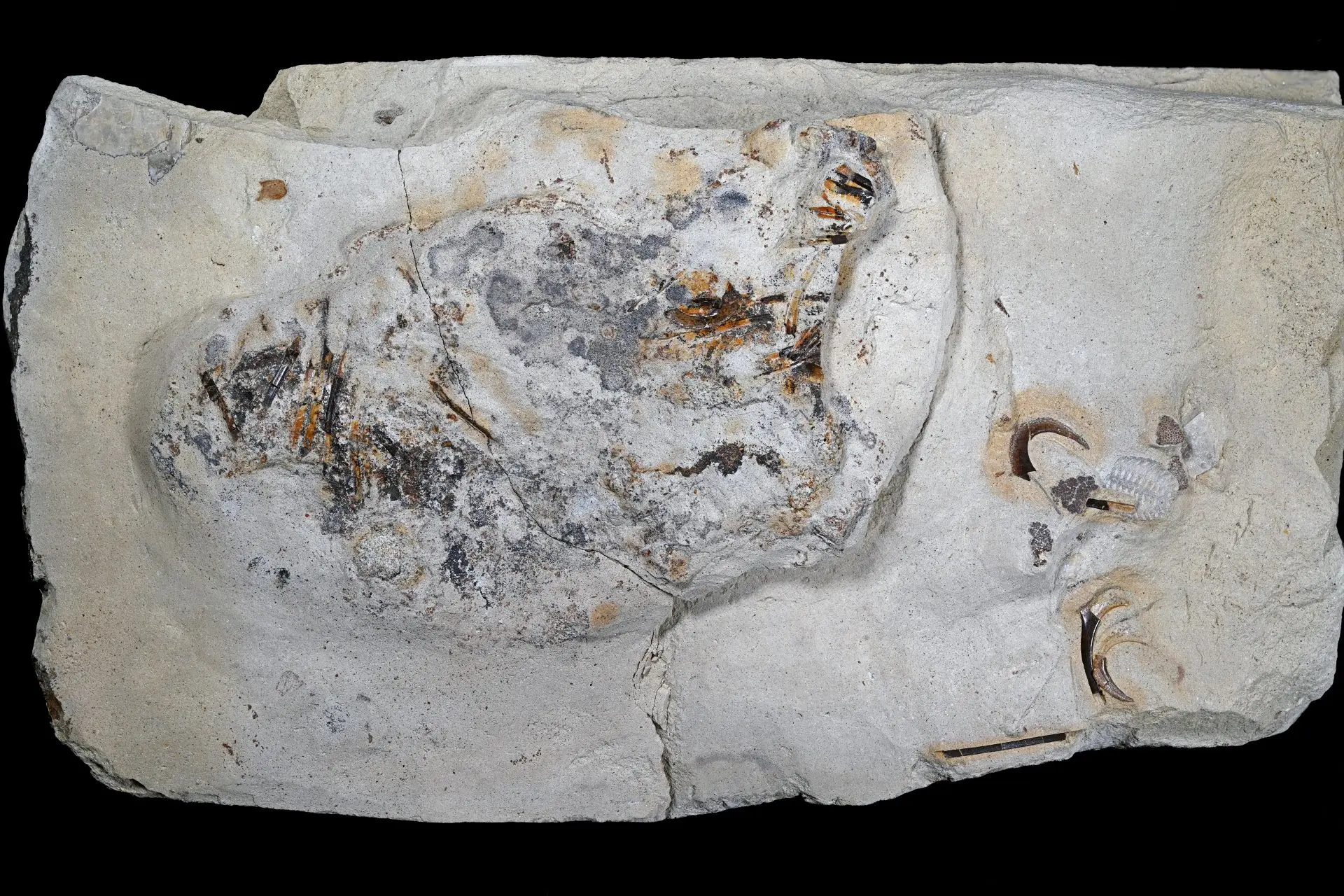
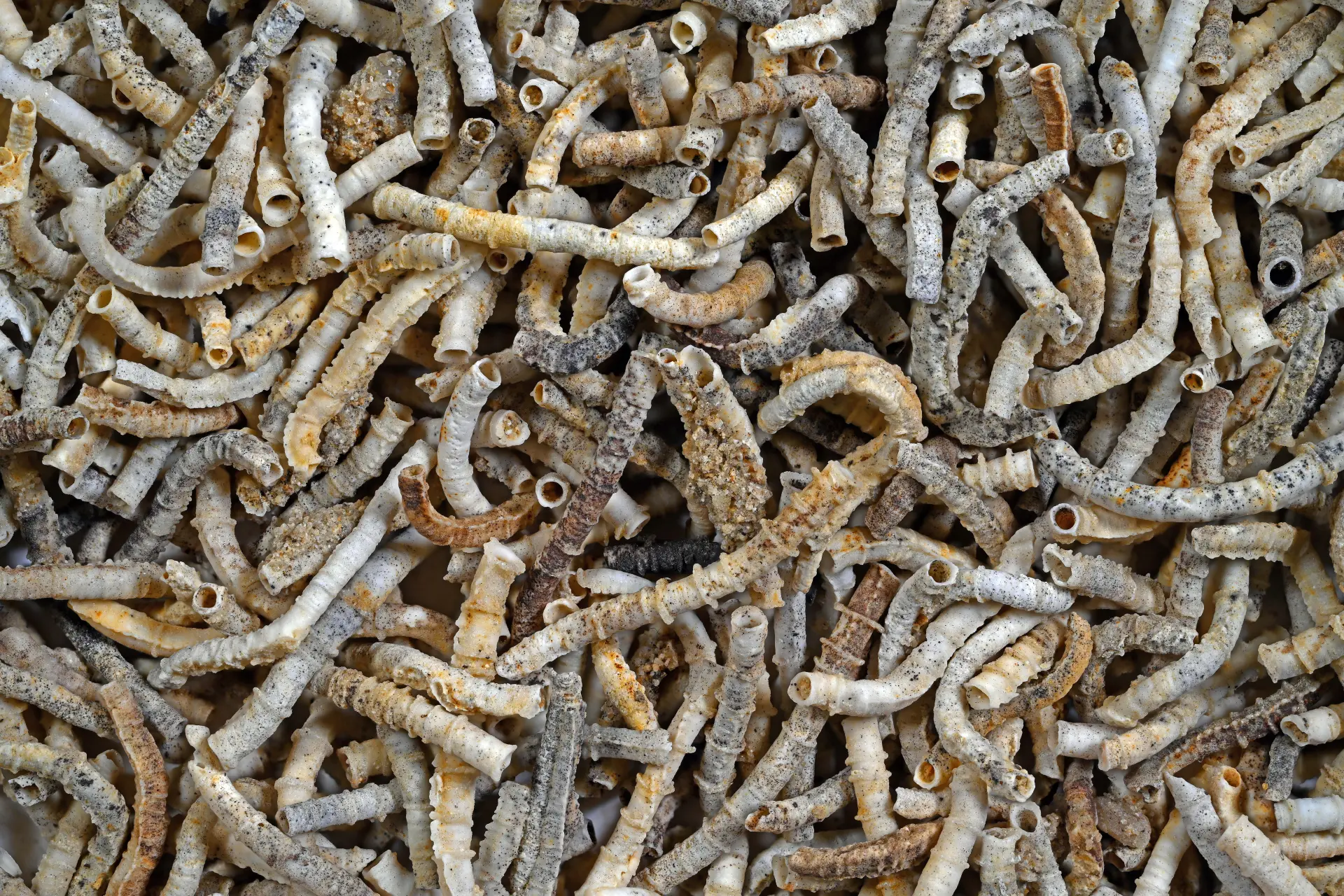
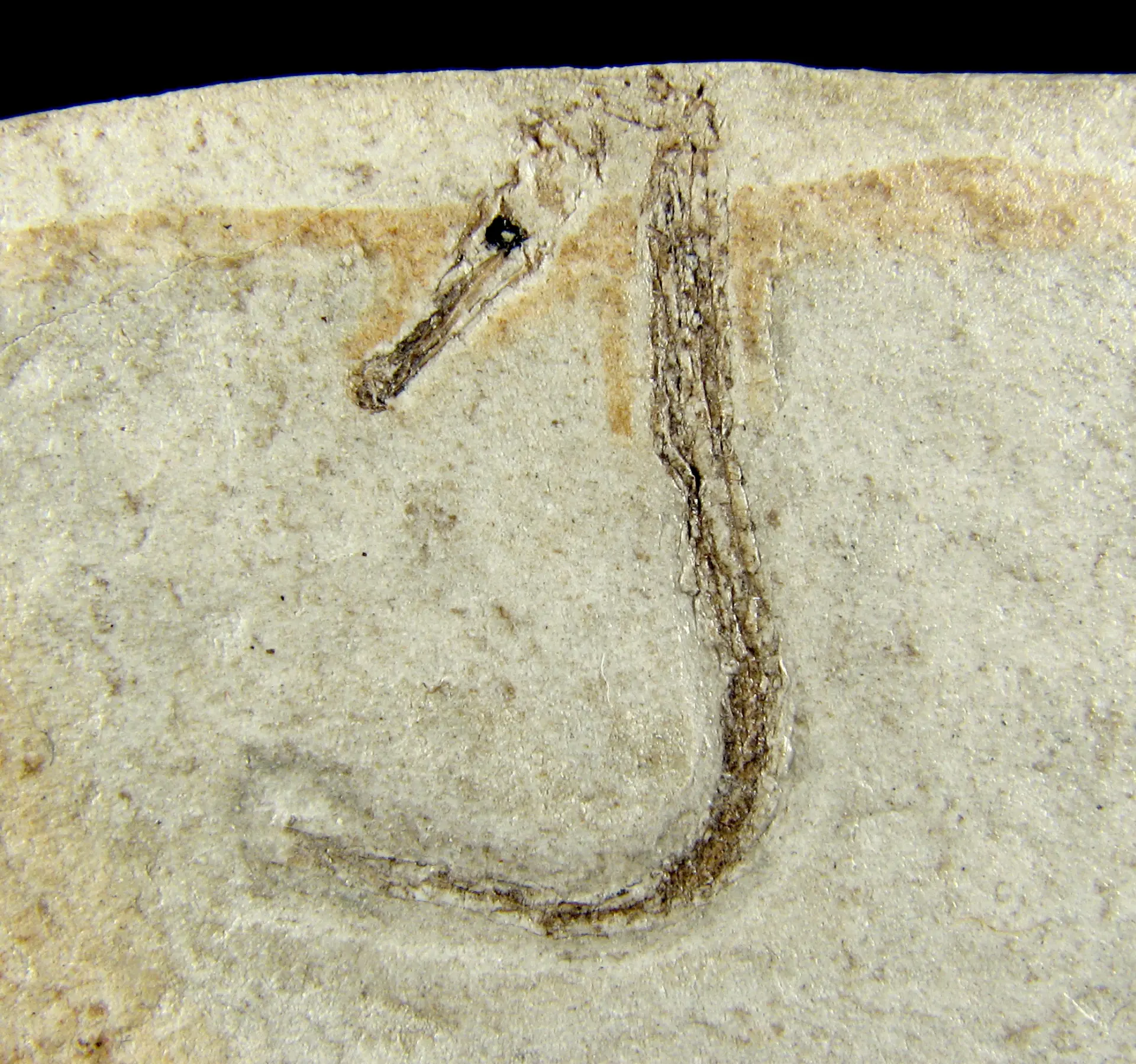
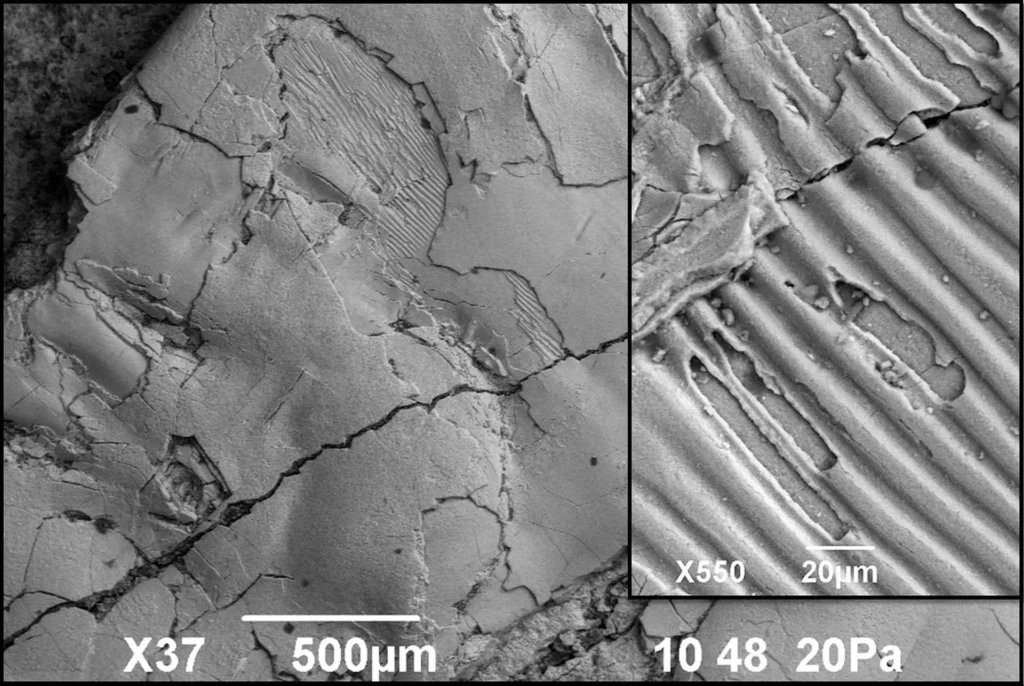
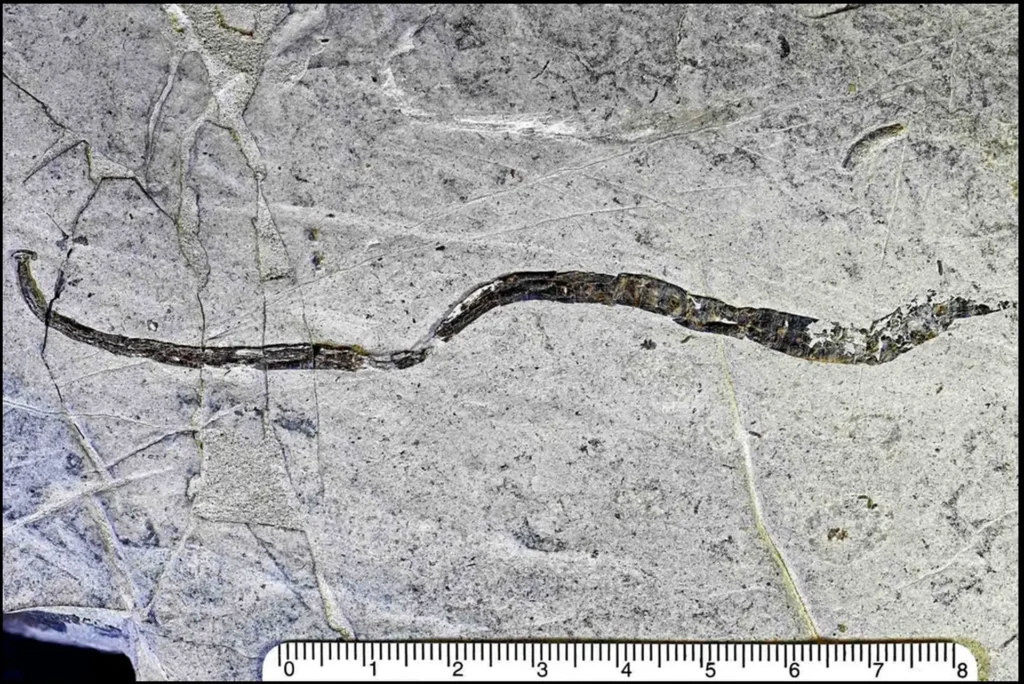
Photograph of the best-preserved Sphenothallus carniolicus specimen, with close-up images highlighting the characteristic phosphatic tube and attachment structures.
HIGHLIGHTS
A tiny fossil from the Slovenian Alps represents the first known Mesozoic occurrence of the enigmatic cnidarian Sphenothallus. The discovery extends the history of this ancient group by more than 200 million years and demonstrates that it survived the end-Permian mass extinction.
overview
Sphenothallus is one of the most enigmatic fossils in palaeontology. These small tube-building animals lived attached to the seafloor and are generally interpreted as relatives of modern jellyfish and other cnidarians. Although Sphenothallus is relatively well known from Paleozoic rocks, it was thought to have disappeared before the Mesozoic, leaving a gap of more than 200 million years in its fossil record.
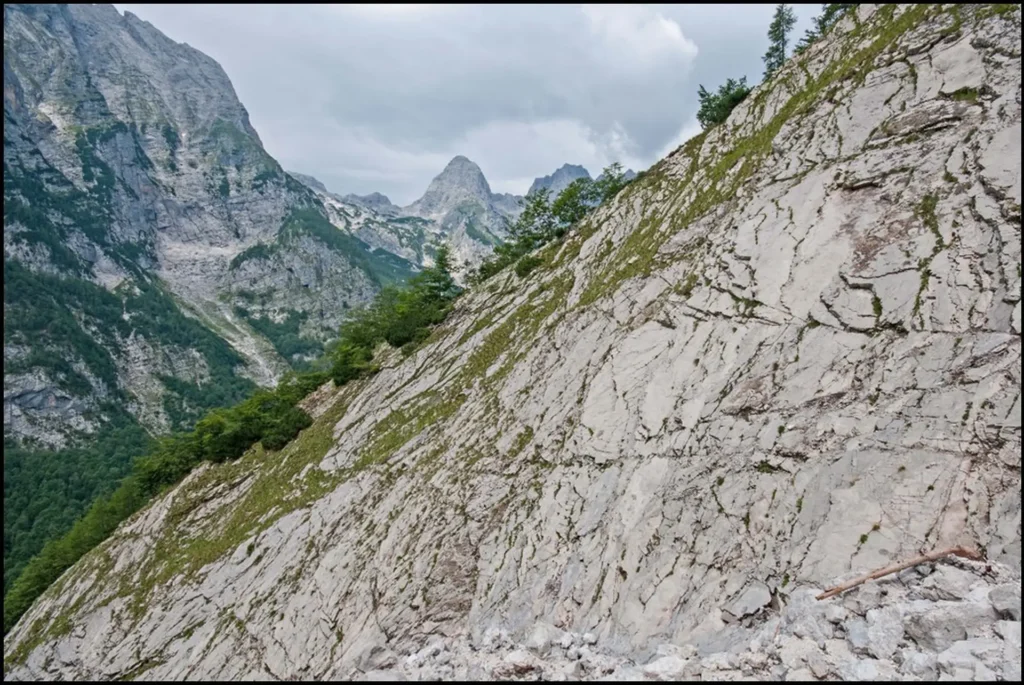
New material from the Upper Triassic of the Kamnik–Savinja Alps in Slovenia has fundamentally changed this view. The study describes Sphenothallus carniolicus, a new species that represents the first confirmed Mesozoic record of the genus. Preserved in marine deposits approximately 220 million years old, the fossils retain the characteristic phosphatic tubes and attachment features that identify them as members of this ancient lineage.
The discovery demonstrates that Sphenothallus survived the end-Permian mass extinction and persisted far longer than previously recognised. It also expands the geographical distribution of the genus into the western Tethys and highlights the exceptional scientific importance of Slovenia’s Triassic fossil deposits. Together with other remarkable fossils from the Kamnik–Savinja Alps, Sphenothallus carniolicus provides another glimpse into the recovery and diversification of marine ecosystems following Earth’s greatest biological crisis.
REFERENCE
Van Iten, H., Gašparič, R., Hitij, T., Kolar-Jurkovšek, T. & Jurkovšek, B. 2023: First Report of Sphenothallus Hall (Cnidaria, Medusozoa) from the Mesozoic Erathem (Upper Triassic, Slovenia). Journal of Paleontology, 97(3), 764-772. doi:10.1017/jpa.2023.1
Read the publication on ResearchGate.