
HERO IMAGE
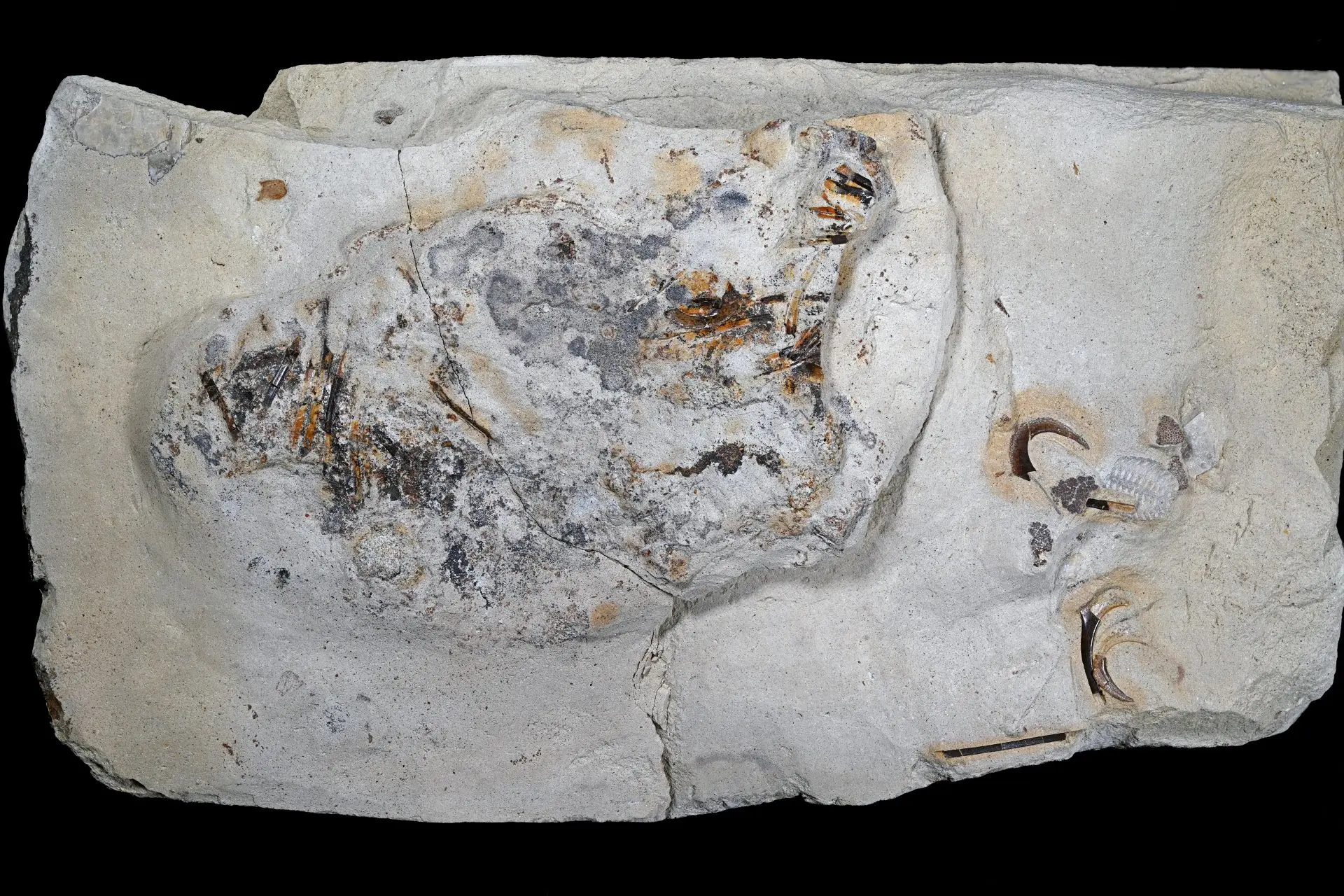
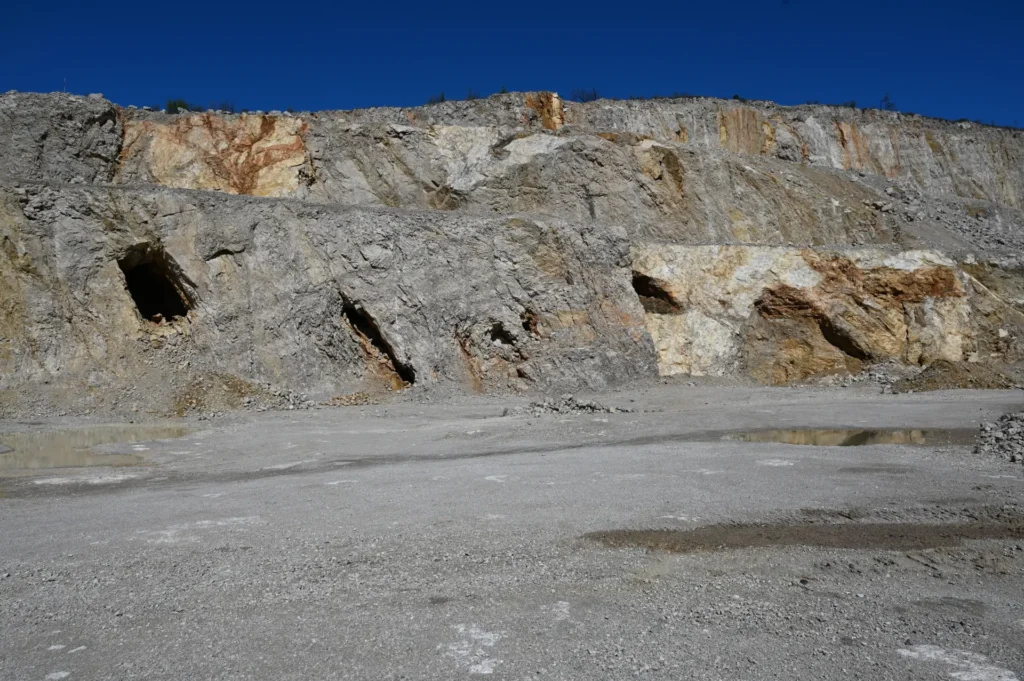
Overview photograph of the fossil-bearing slab from Črni Kal showing multiple Marifugia cavatica tubes.
HIGHLIGHTS
The freshwater cave worm Marifugia cavatica is one of Europe’s most unusual animals. New fossils from Slovenia provide the richest record of this enigmatic species to date and help reconstruct its long evolutionary history in subterranean freshwater habitats.
overview
Most serpulid worms build calcareous tubes in the sea, yet Marifugia cavatica is unique among living representatives of the group because it spends its entire life in freshwater caves. Today it survives only in a handful of underground rivers and lakes within the Dinaric Karst, making it one of Europe’s most specialized cave animals.
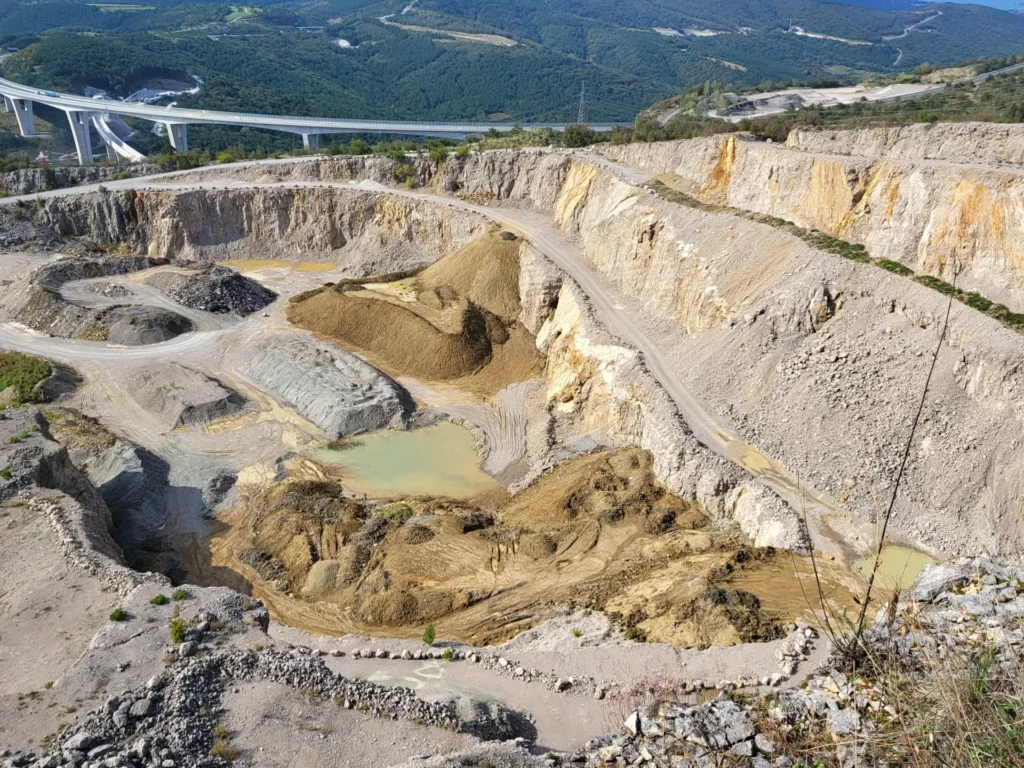
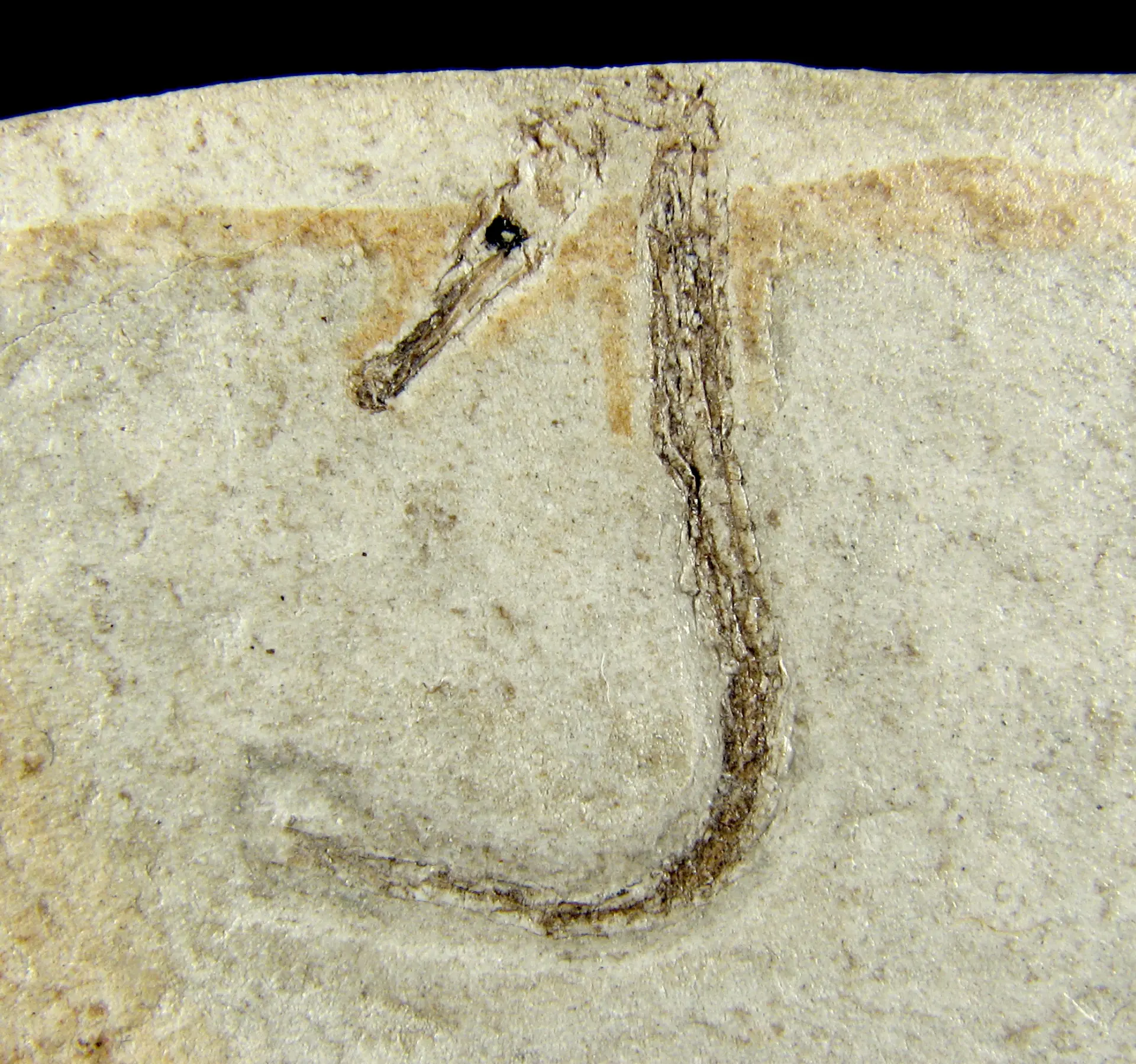
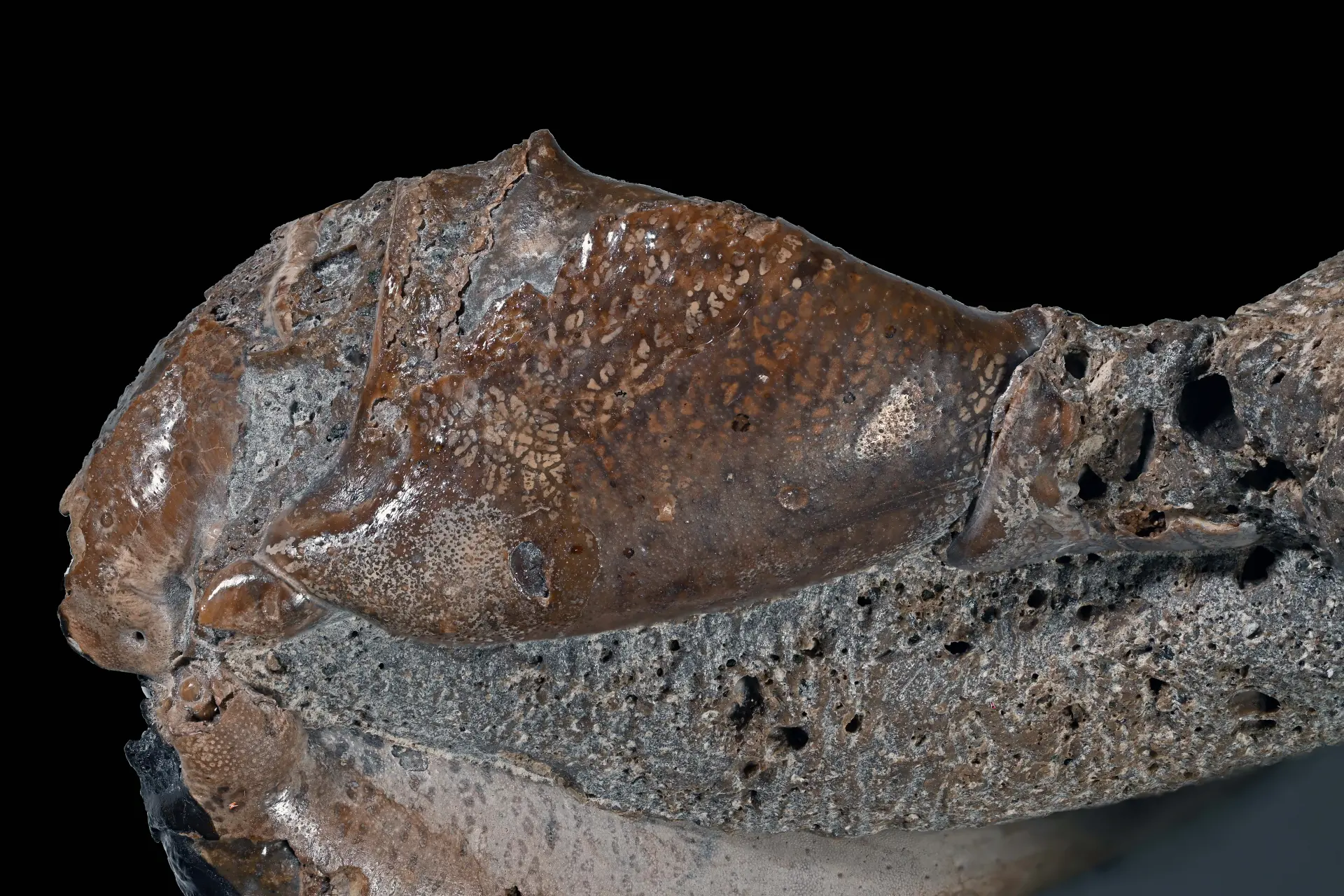
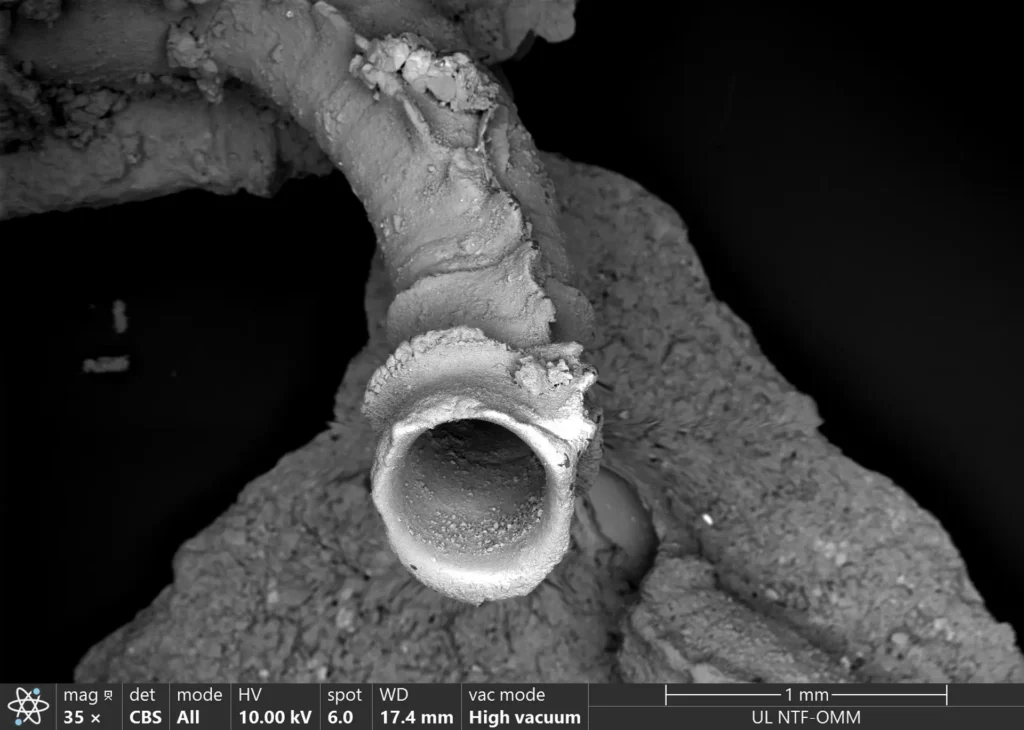
Our study documents exceptionally preserved fossil material from the Pleistocene deposits of Črni Kal in southwestern Slovenia. The new collection greatly expands the known fossil record of the species and includes numerous isolated tubes, tube clusters and specimens preserved directly on rock surfaces. Together, these fossils provide new insights into the morphology, ecology and preservation of this remarkable annelid.
By combining the new Slovenian material with a comprehensive review of both fossil and living occurrences, the study demonstrates that Marifugia cavatica has occupied subterranean freshwater environments for a remarkably long period of time. The discovery also highlights the Dinaric Karst as an important evolutionary refuge, preserving lineages that represent rare survivors of much older marine ancestors. The fossils therefore contribute not only to the history of a single species, but also to our broader understanding of how marine organisms repeatedly adapted to freshwater and eventually colonised cave ecosystems.
REFERENCE
Kočí, T., Gašparič, R., Hitij, T., Polak, S., Šoster, A., Kočová Veselská, M. & Žalohar, J. 2026. The freshwater cave serpulid Marifugia cavatica Absolon & Hrabě, 1930 (Polychaeta, Serpulidae): new Pleistocene material from Slovenia and a review of fossil and extant occurrences. Neues Jahrbuch für Geologie und Paläontologie – Abhandlungen 317(1): 1–21.
Read the publication on ResearchGate.