
HERO IMAGE
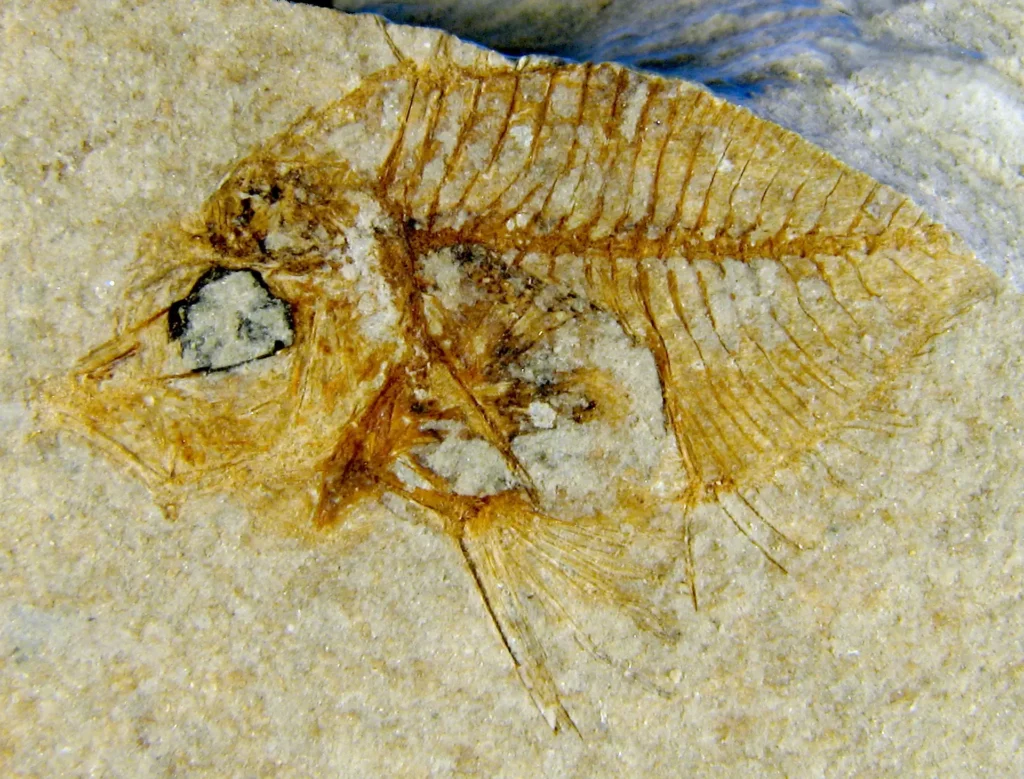
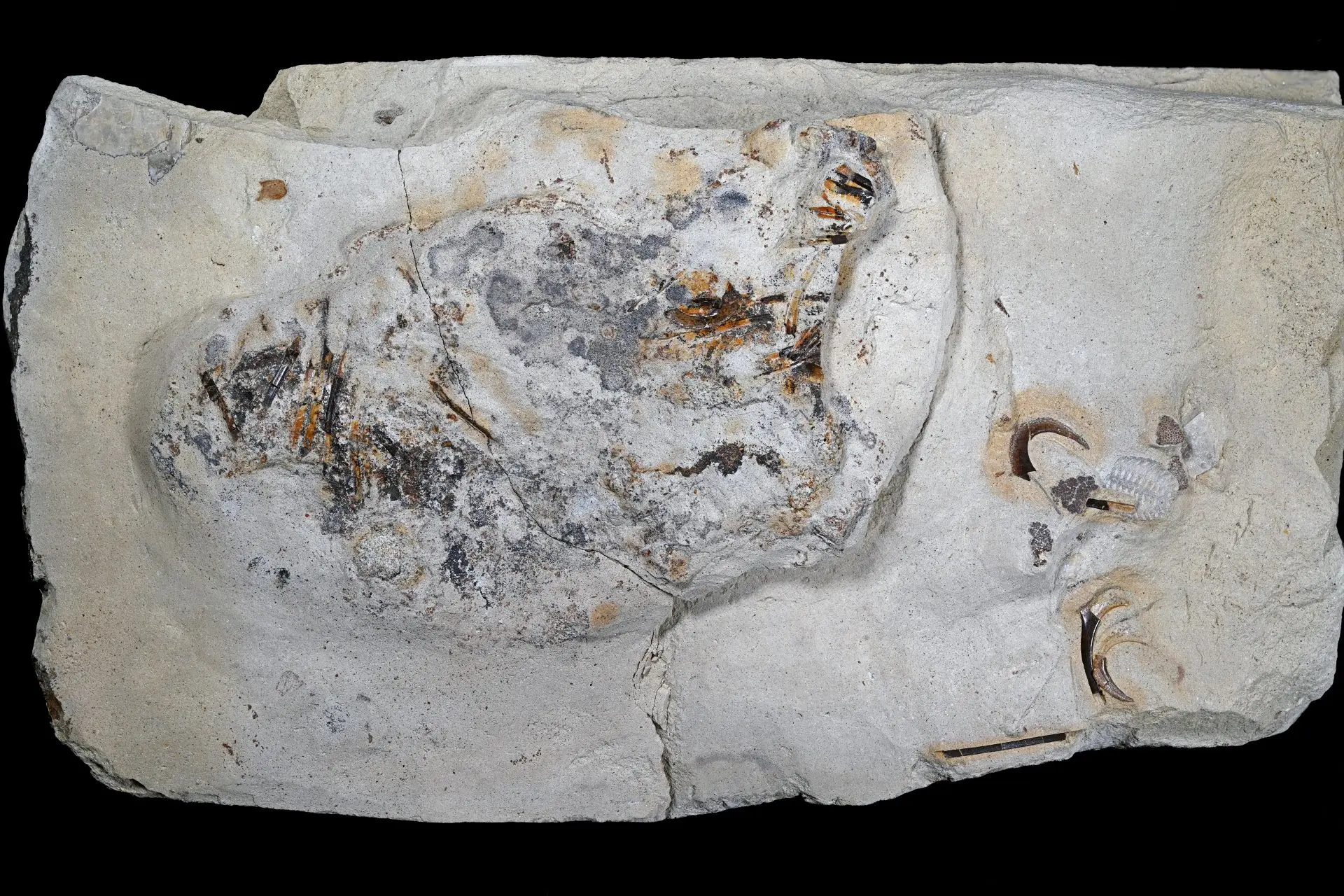
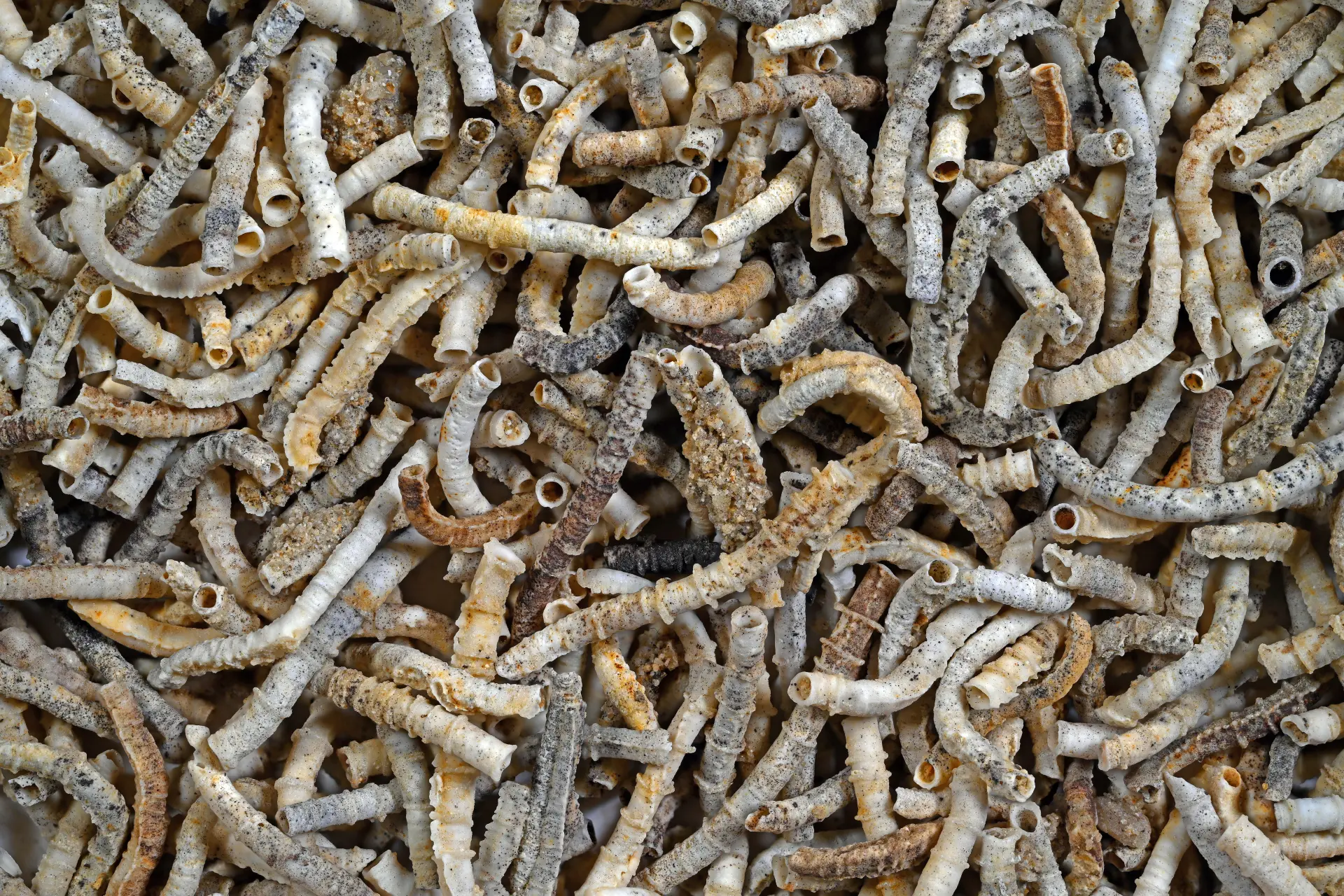
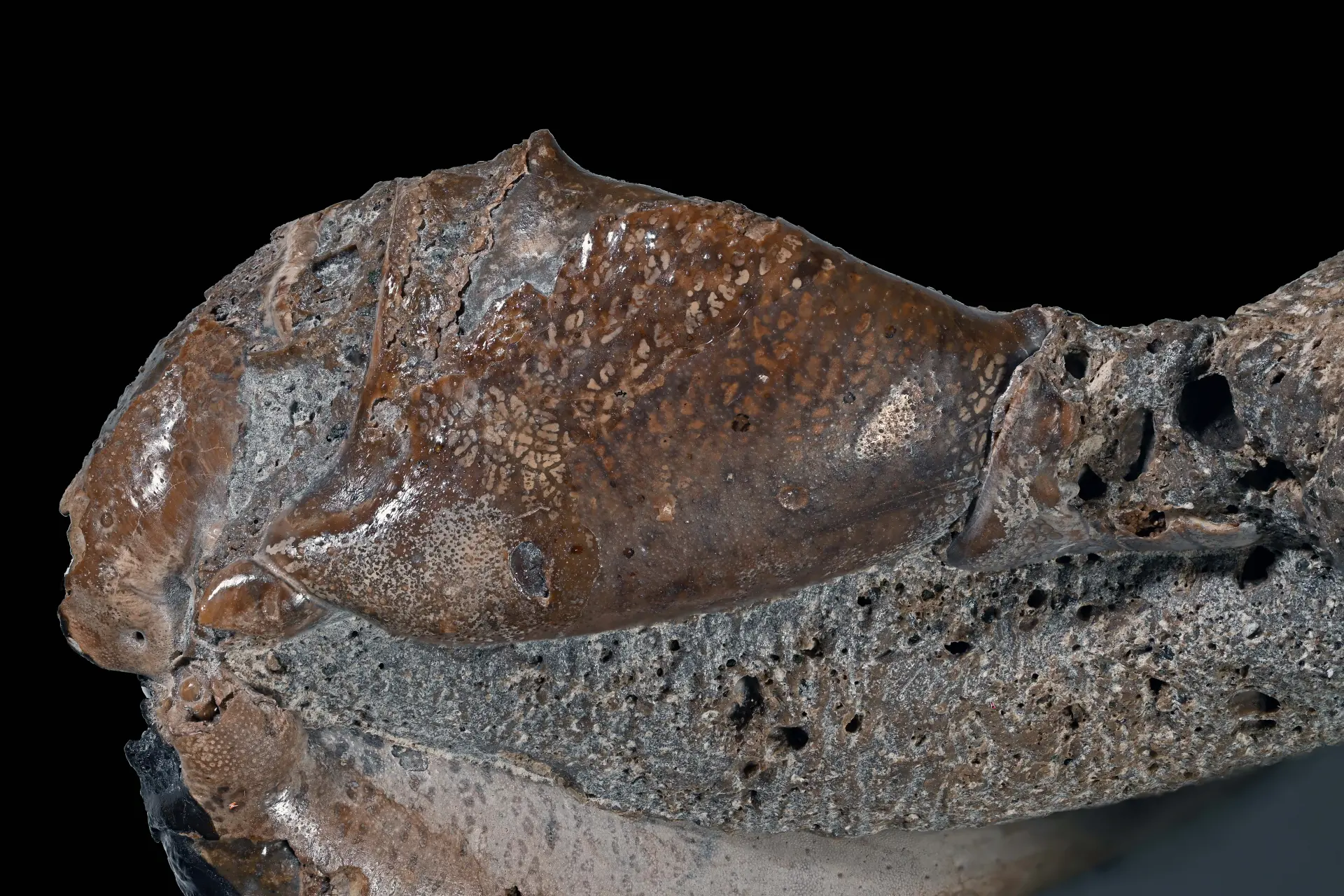
A collage showing the diversity of exceptionally preserved fossils from the Tunjice Konservat-Lagerstätte, centred on the fossil seahorse with accompanying crustaceans, fishes and echinoderms.
HIGHLIGHTS
The Tunjice Hills preserve one of Slovenia’s richest Miocene fossil assemblages. More than a century of discoveries has revealed an extraordinary marine ecosystem, ranging from microscopic plankton to seahorses, sharks, crustaceans and marine mammals.
overview
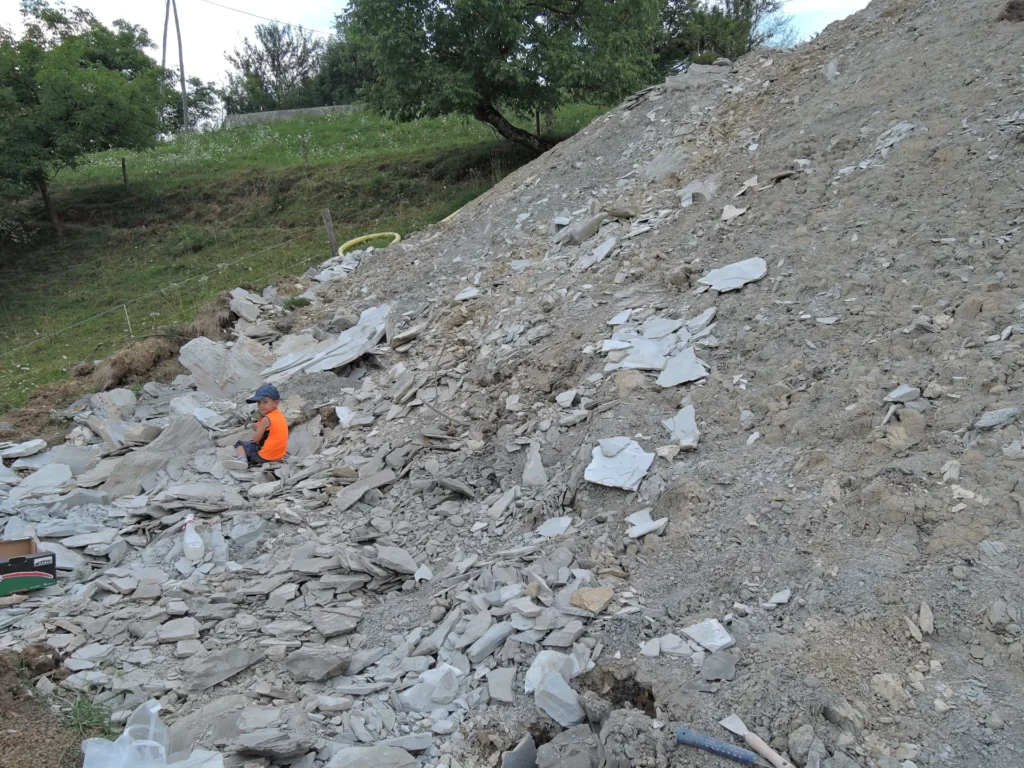
Hidden beneath the hills north of Ljubljana lies one of Slovenia’s most remarkable fossil localities. The Middle Miocene deposits of the Tunjice Hills preserve an exceptionally diverse marine ecosystem that flourished around 15 million years ago, when much of present-day Slovenia was covered by the Central Paratethys Sea.
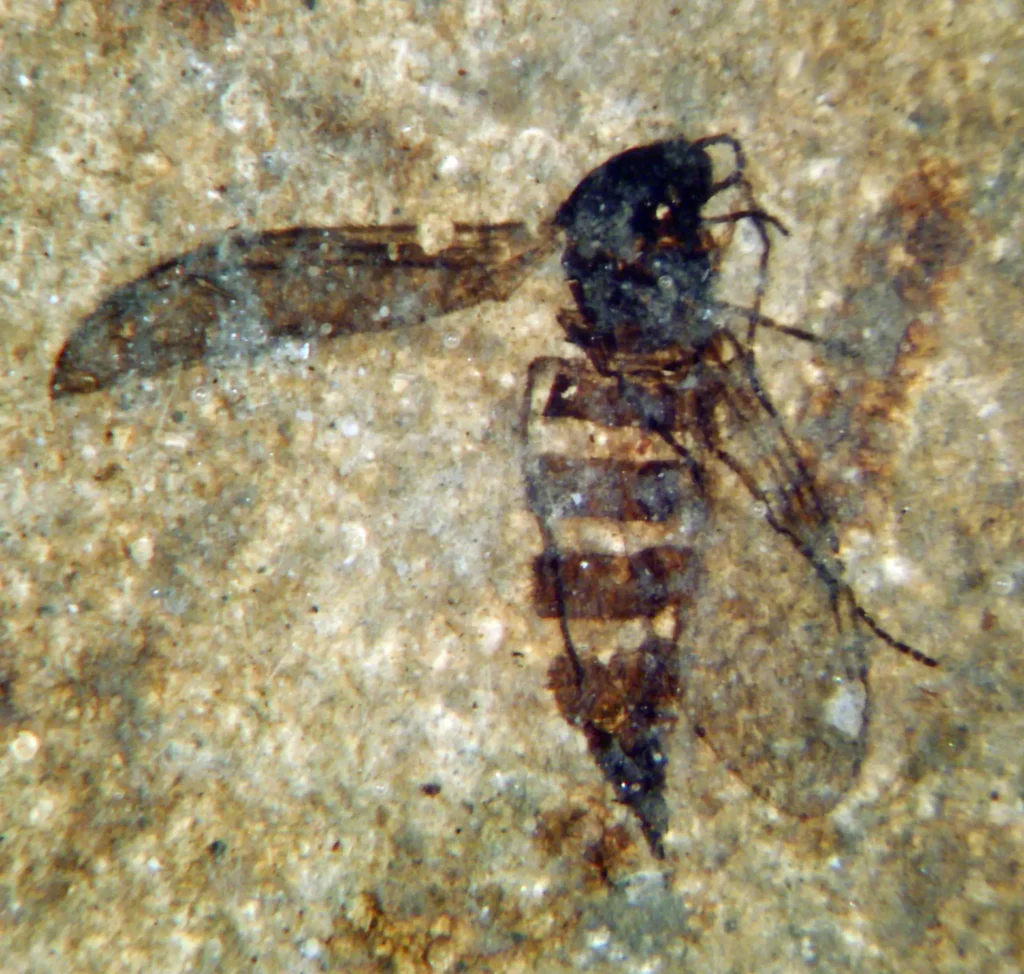
The richly illustrated Photo Atlas of Fossils from Tunjice brings together decades of palaeontological research and presents hundreds of fossils discovered in these sediments. The atlas documents organisms from every level of the ancient food web, including microscopic foraminifera, corals, molluscs, echinoderms, crustaceans, fishes, sharks, marine reptiles and mammals. Among its most celebrated discoveries are exceptionally preserved fossil seahorses, one of the world’s richest fossil records of the genus Hippocampus.
Beyond serving as an identification guide, the atlas demonstrates how an entire marine ecosystem can be reconstructed from its fossil remains. Each specimen contributes another piece to the story of the Miocene sea that once covered central Slovenia, making Tunjice one of the country’s most important palaeontological heritage sites. The volume also provides a valuable reference for researchers, collectors and anyone interested in the geological history of Slovenia.
REFERENCE
Žalohar, J., Hitij, T. & Gašparič, R. 2025: Photo Atlas of the Tunjice Konservat-Lagersttäte: Fossil Biota of the Middle Miocene Coprolitic Horizon. Self-published via Amazon KDP, 78pp.
Read the publication on ResearchGate.