
HERO IMAGE
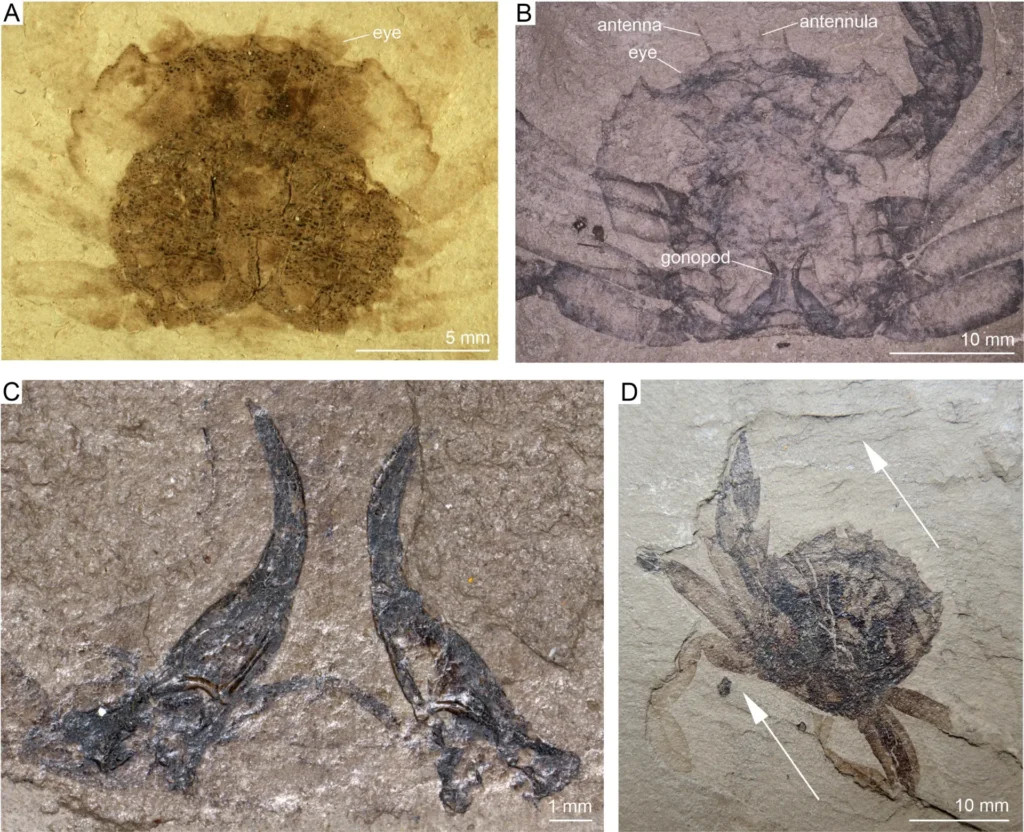
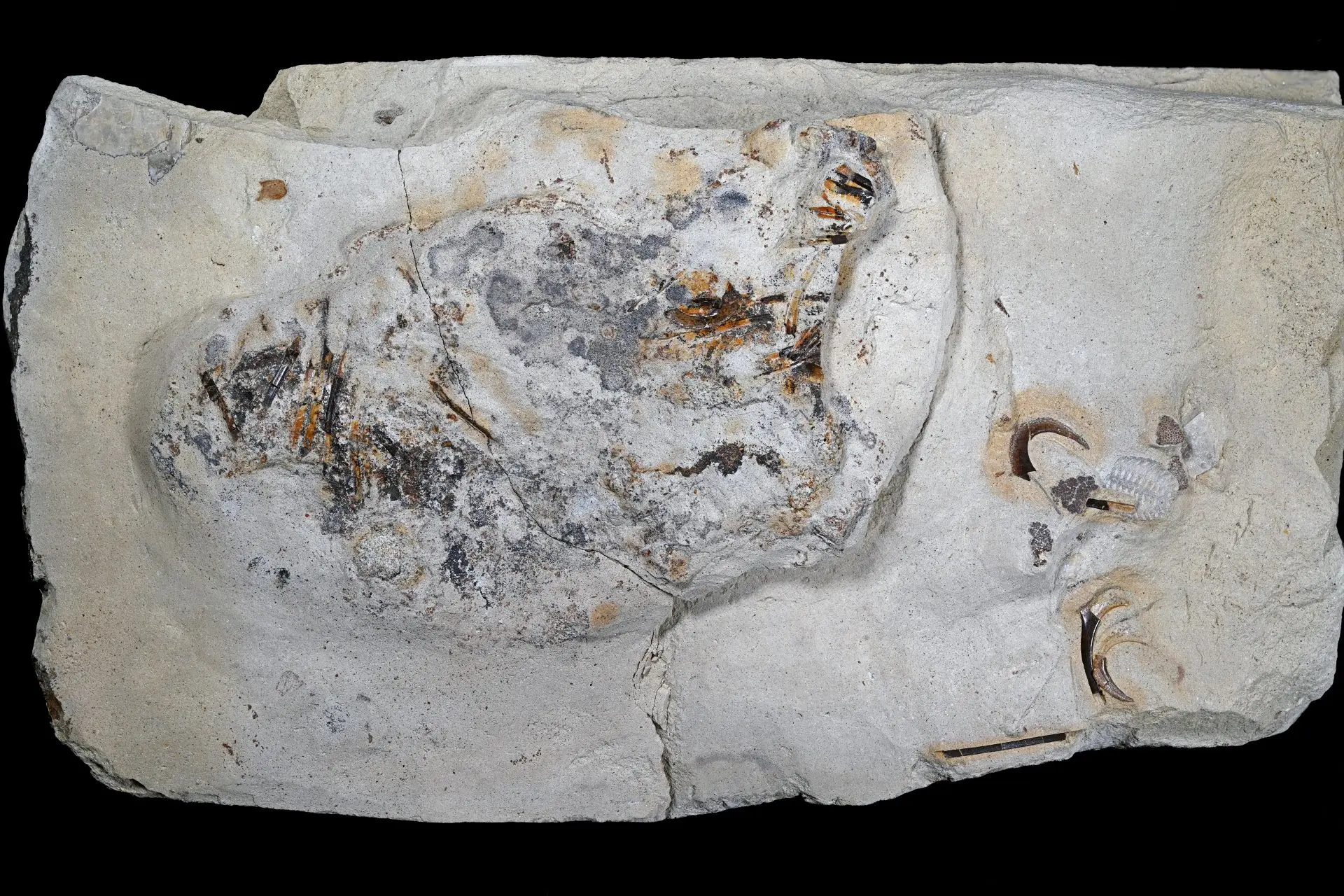
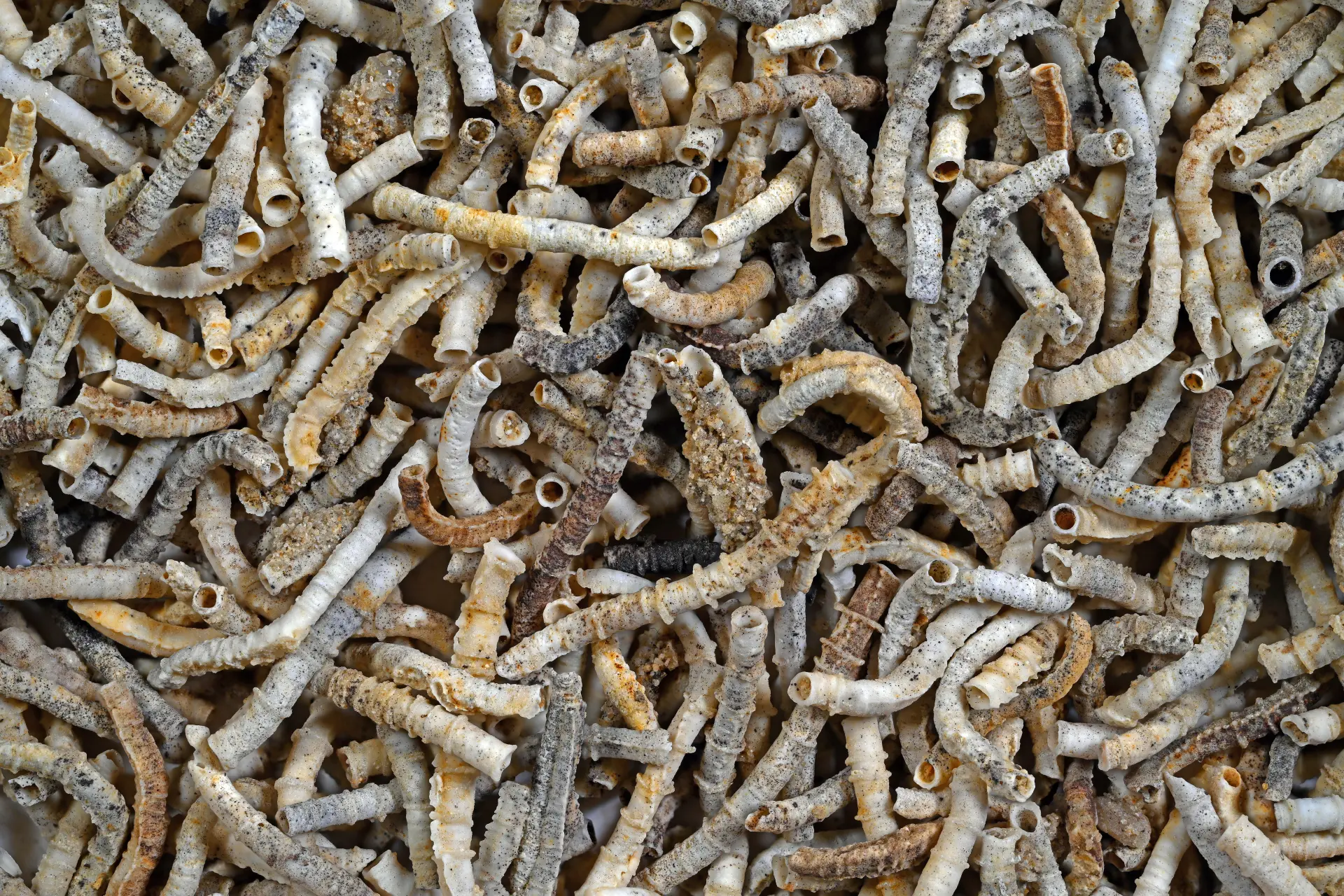
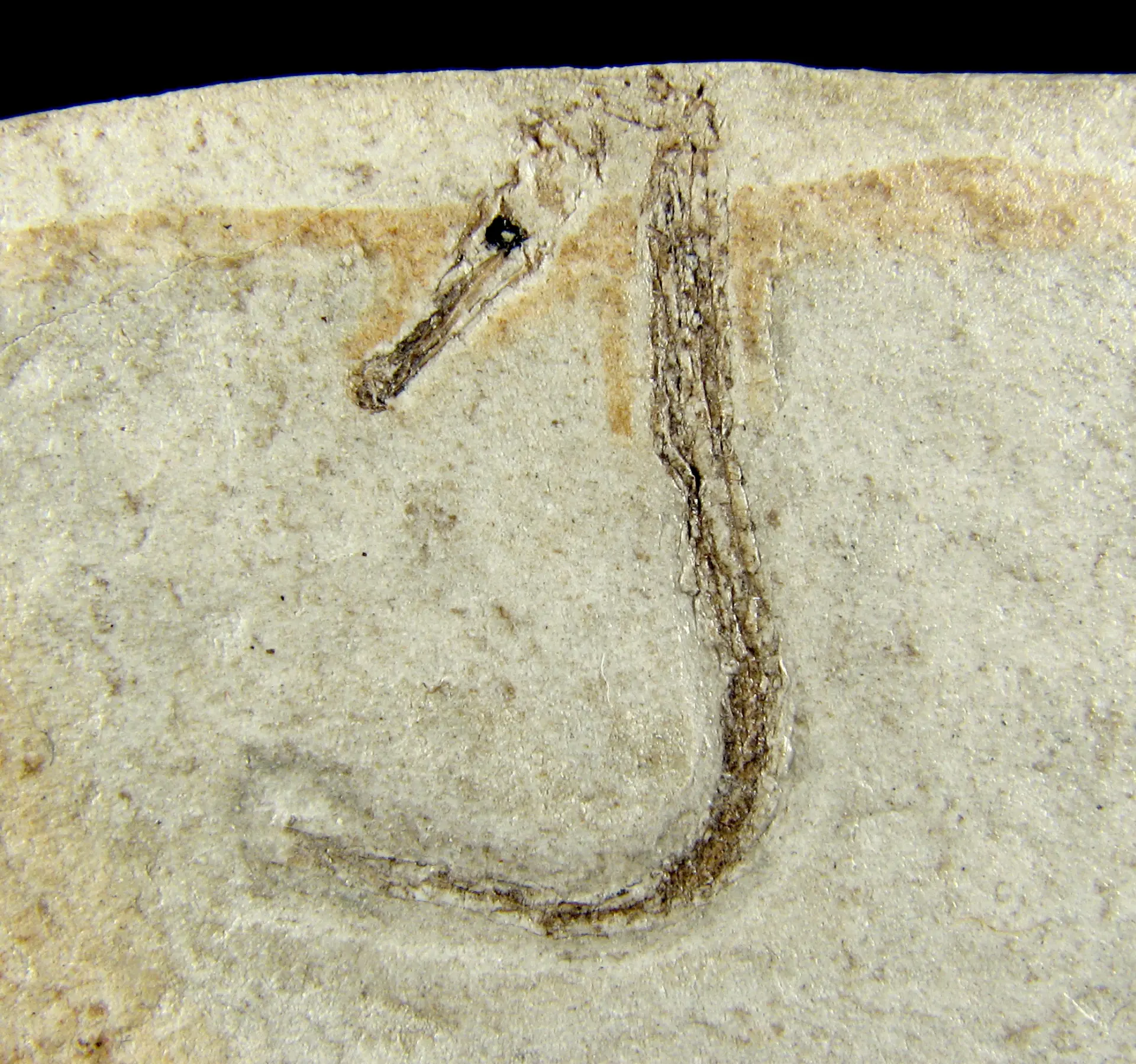
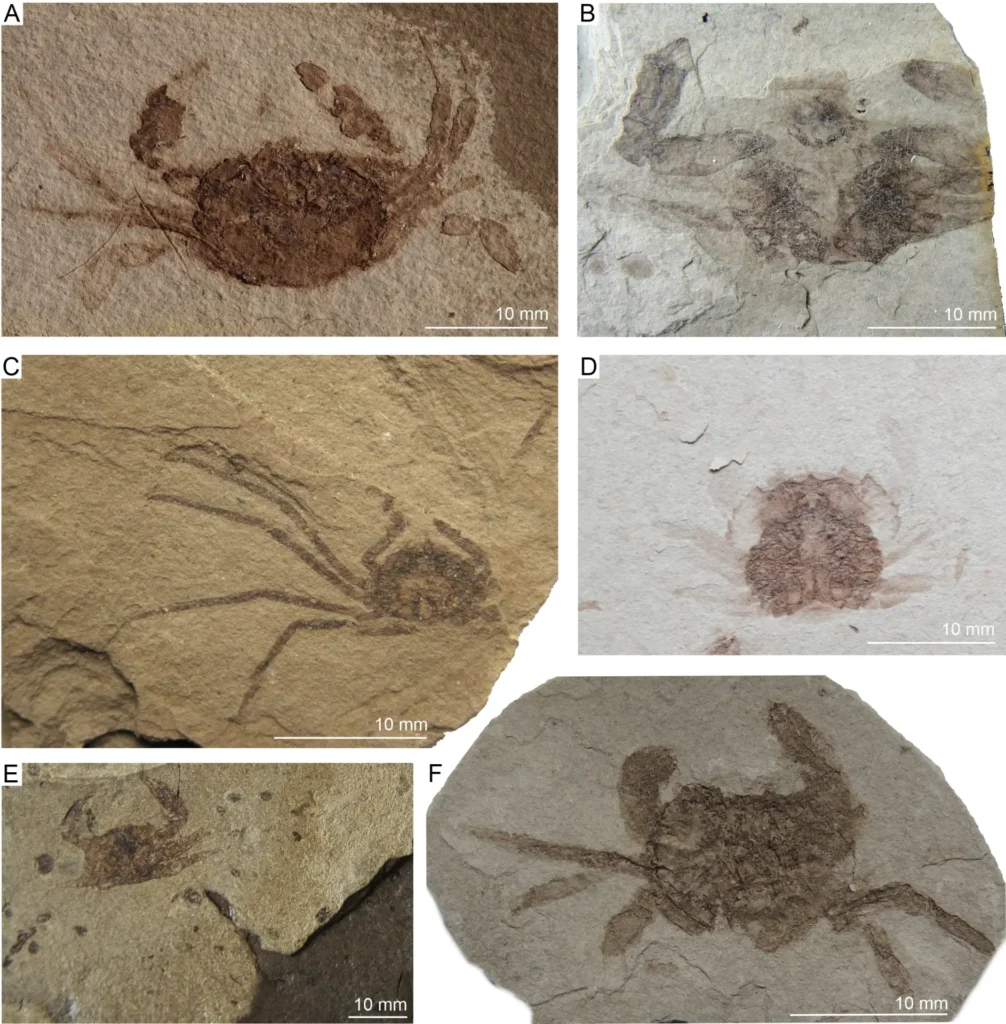
A montage of representative decapod fossils from the studied localities, including well-preserved crabs in life position and the sedimentary setting of the Early Miocene fish beds.
HIGHLIGHTS
How do fossils become fossils? By studying exceptionally preserved decapod crustaceans from Oligocene and Early Miocene fish beds across Central and Eastern Europe, this research reconstructs the environments in which ancient crabs lived, died and were preserved over 20 million years ago.
overview
Fossils tell us not only what organisms lived in the past, but also how they became preserved. This process, known as taphonomy, is essential for correctly interpreting ancient ecosystems. Decapod crustaceans, such as crabs, lobsters and ghost shrimps, normally decay rapidly after death, making complete fossil specimens relatively uncommon.
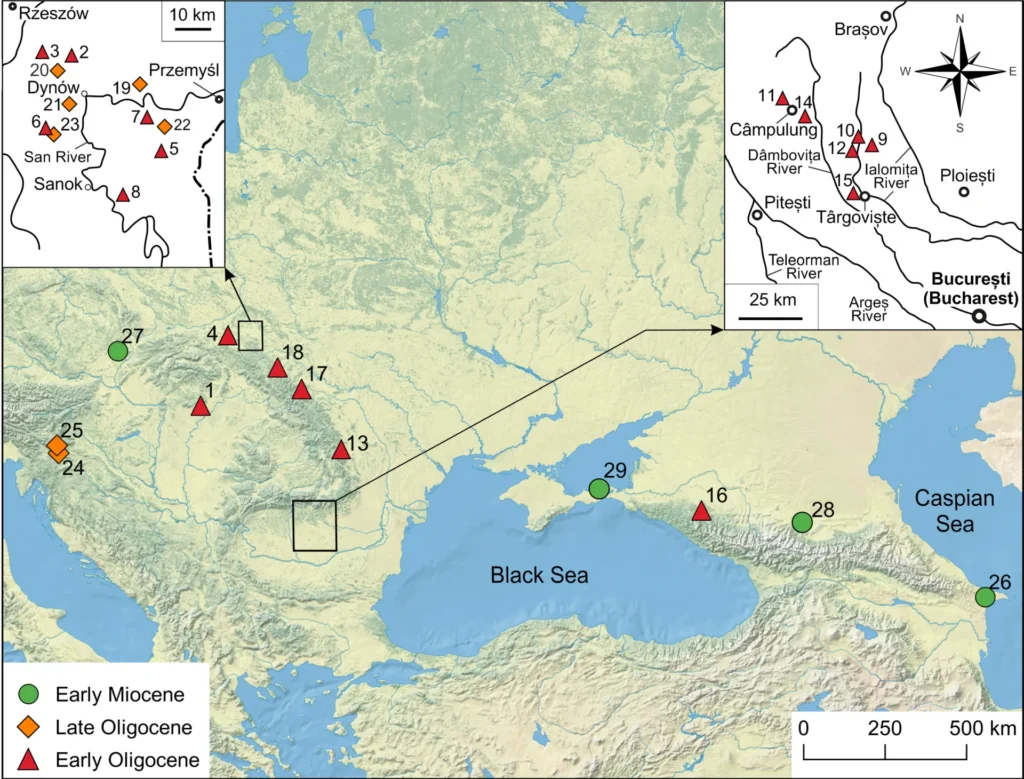
This study examined fossil crustaceans from several Oligocene and Early Miocene fish-bearing deposits of the Central and Eastern Paratethys, including important localities in Slovenia. By comparing the preservation of hundreds of specimens with their surrounding sediments and associated fossil assemblages, the research reconstructed the environmental conditions responsible for their exceptional preservation.
The results show that many of these crustaceans inhabited relatively deep, low-energy marine environments where oxygen-poor conditions on the seafloor limited scavenging and slowed decomposition. Rapid burial in fine-grained sediments further enhanced preservation, allowing even delicate anatomical structures to survive. The study demonstrates that these fish beds represent important conservation deposits, preserving entire benthic communities rather than isolated fossils. Together, they provide one of the clearest windows into the evolution and ecology of marine crustaceans in the Central Paratethys during the transition from the Oligocene to the Miocene.
REFERENCE
Kovalchuk, O., Hyžný, M., Świdnicka, E., Barkaszi, Z., Berezovsky, A., Dumitriu, S., Grădianu, I., Gašparič, R., Přikryl, T., & Stefaniak, K. 2022: Taphonomy and Palaeoecology of Decapod Crustaceans from Oligocene and Early Miocene Fish Beds of the Central and Eastern Paratethys. Historical Biology, 35 (12), 2253-70. doi:10.1080/08912963.2022.2127097.
Read the publication on ResearchGate.